A federal appeals court has ruled against the Trump administration’s policy on transgender military service, handing a partial victory to currently serving troops while setting the stage for a likely fight at the Supreme Court. The decision came on June 1 — the first day of Pride Month — from the U.S. Court of Appeals for the D.C. Circuit, which voted 2-1 to keep a lower court’s order in place.
What the Court Decided
The three-judge panel affirmed a district court order that blocks the Pentagon from removing certain transgender service members from the armed forces. Writing for the majority, Judge Robert Wilkins concluded that the policy was “arbitrary and based upon animus” and that it likely violates the Constitution’s guarantee of equal protection under the law.
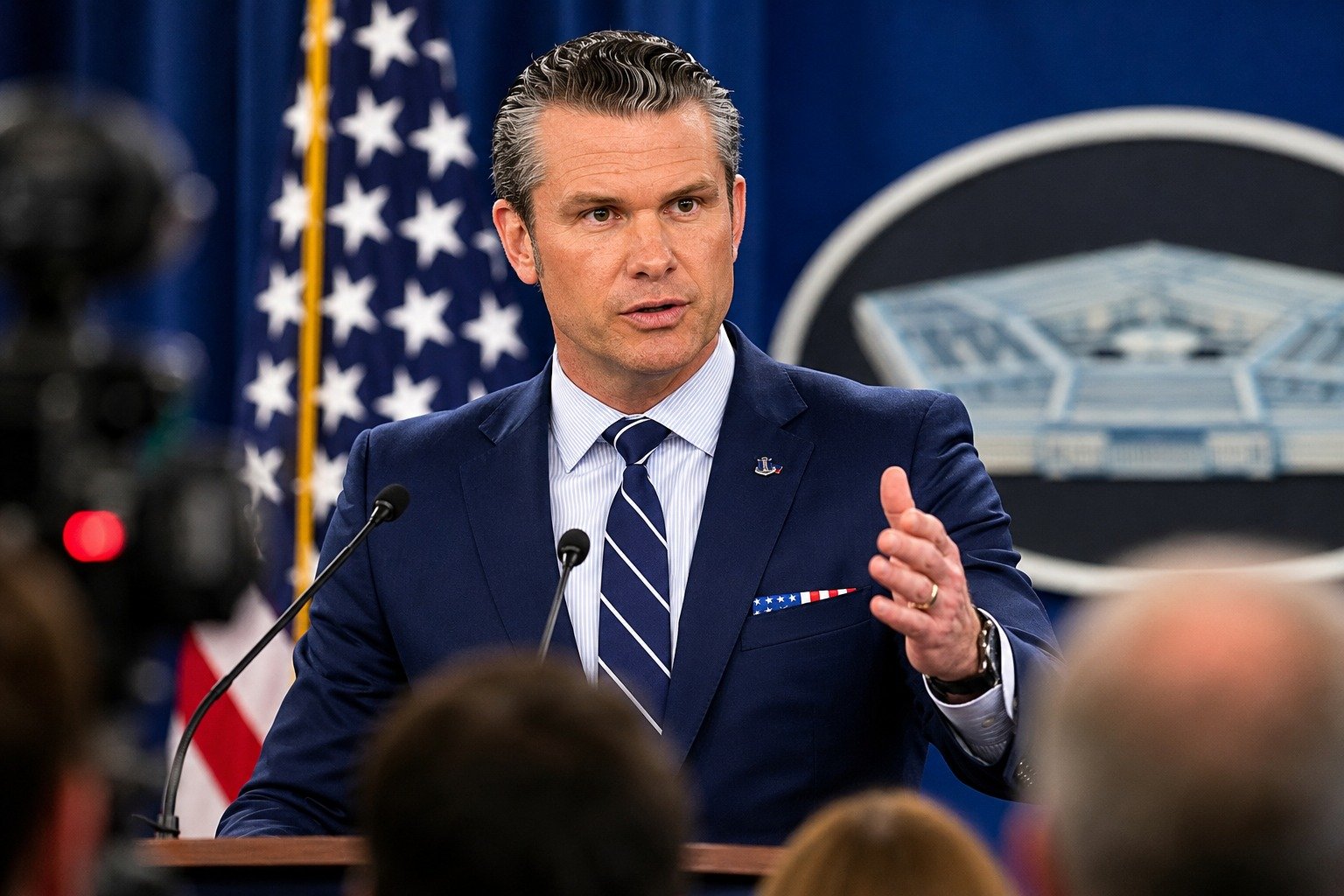
The court referred to the measure as the “Hegseth Policy,” attaching the name of Defense Secretary Pete Hegseth, who rolled out the restrictions last year. In its reasoning, the majority found that the government had not offered a sufficient justification for singling out transgender personnel, and that the available evidence pointed toward a desire to target the group rather than a neutral readiness rationale.
A Narrow Ruling
The scope of the decision is limited, and that nuance matters. The ruling protects the specific currently serving transgender troops named as plaintiffs in the lawsuit, Talbott v. USA, shielding them from being forced out while the case proceeds. It does not order the military to accept new transgender recruits.
In practical terms, the broader policy restricting enlistment remains in place. The court’s order keeps named service members in uniform for now, but it stops well short of striking down the administration’s framework across the board. Other transgender troops who were not part of the lawsuit are not automatically covered by Monday’s decision, and the question of whether the policy is ultimately constitutional has not been finally resolved.
The Administration’s Response
Defense Secretary Pete Hegseth signaled almost immediately that the administration intends to appeal. In a brief social media post, he wrote “See you at SCOTUS” — shorthand for the Supreme Court — making clear that the government will ask the nation’s highest court to weigh in.
That sets up a potentially decisive next chapter. Until the Supreme Court acts, the broader restrictions stay in effect, and the legal status of transgender service will remain contested. A 2-1 split at the appeals level, combined with a vigorous dissent, gives the administration a clear path to seek further review.
Both Sides of the Debate
Supporters of the policy argue that decisions about military standards, deployability, and readiness fall squarely within the authority of the executive branch and the Defense Department. From that view, courts should defer to the Pentagon’s judgment about who is fit to serve, and elected leaders — not judges — should set the rules for the armed forces.
Those who challenged the policy counter that transgender Americans already serving have met the same standards as their peers, and that removing them based on their identity lacks a legitimate basis. They frame the case as a straightforward equal-protection question: whether the government can treat one group of qualified service members differently without a sound, non-discriminatory reason.
What This Means for Americans
For the troops directly involved, the ruling means they stay in uniform for now. For the wider public, it is a reminder that major questions about military policy increasingly run through the courts — and that this particular dispute is far from over. The outcome at the Supreme Court could shape not only who is allowed to serve, but also how much latitude the Pentagon has to set personnel rules in the years ahead.
Stay informed on the stories that matter most. Follow Your Daily Updates on Facebook and bookmark yourdailyupdates.news for breaking news and analysis.