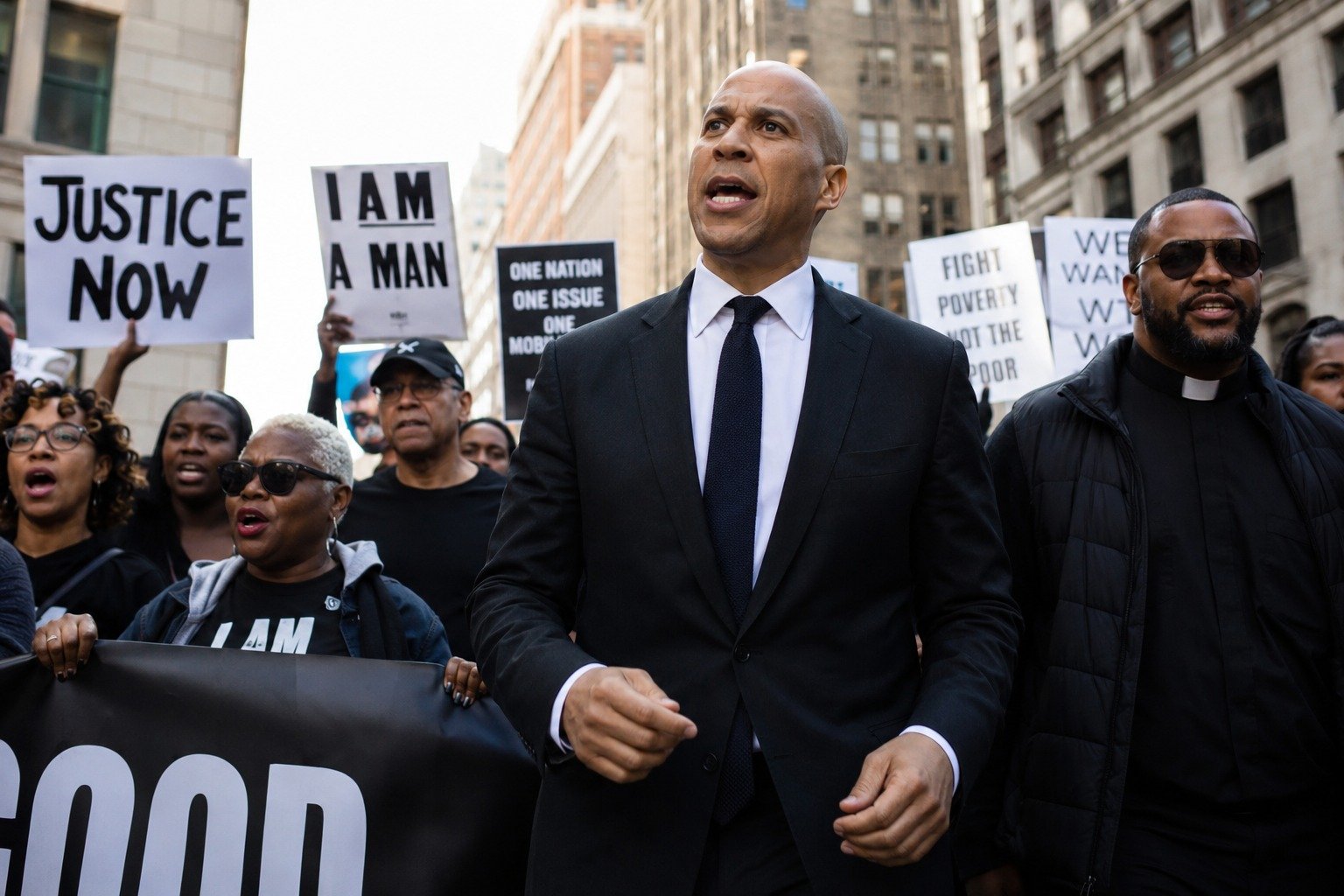
In a move that stunned civil rights advocates, the U.S. Supreme Court’s conservative majority issued an emergency stay on Tuesday clearing Alabama to eliminate one of its two majority-Black congressional districts. The ruling, issued within minutes of the opposing brief being filed, reduces Black representation in Alabama’s seven-seat congressional delegation to a level not seen in decades — and sparked immediate protests across the country.
What the Court Decided
The emergency stay blocks a lower court order that had prevented Alabama from using its 2023 redistricting map. Under that map, only ONE of Alabama’s seven congressional districts will have a majority-Black population — down from two. The court’s decision was issued without a public vote count, but three liberal justices dissented. This means the conservative majority acted swiftly, giving Alabama the green light to implement a map that critics say deliberately dilutes Black voting power.
The ruling did not come in a vacuum. It flows directly from a blockbuster April 2026 decision in a Louisiana case that dramatically narrowed the scope of the Voting Rights Act of 1965 — the landmark legislation that has been the primary legal tool ensuring minority communities can elect representatives of their choice for more than six decades. Legal experts say that Louisiana ruling cracked open the door for Republican-controlled Southern states to redraw district lines in ways that reduce Black political power, and Alabama walked right through it.
The History Behind the Fight
Alabama has been fighting this battle for years. After the 2020 census, the Republican-controlled state legislature drew a new congressional map that civil rights groups immediately challenged. A lower federal court ruled that the map likely violated the Voting Rights Act and ordered Alabama to draw a second majority-Black district. Alabama refused, appealed, and continued fighting all the way to the Supreme Court.
The 2023 redistricting map at the center of this latest ruling is the result of Alabama’s second attempt to comply — or, critics argue, its second attempt to skirt the court’s requirements while technically responding to it. The Supreme Court’s emergency stay signals that the conservative majority is now willing to let that map stand, at least for now, while the litigation continues.
Reactions: Streets and Courtrooms
The response was immediate. Thousands of protesters took to the streets, with civil rights leaders joining demonstrators who argue the ruling strips Black voters of a hard-won seat at the table. The NAACP and other advocacy groups called the decision a direct attack on voting rights. For communities that have fought for generations to gain meaningful political representation, the ruling lands as both a legal blow and a deeply personal one.
Supporters of the ruling argue the opposite. They contend that drawing congressional district lines based on race is itself a form of racial discrimination — that the Constitution demands race-neutral maps, not maps engineered to produce specific racial outcomes. Conservative legal groups have long argued that the Voting Rights Act has been interpreted too broadly, and they see this ruling as a necessary correction.
What It Means for Black Voters in Alabama
In practical terms, Black Alabamians — who make up roughly 27% of the state’s population — could find themselves with significantly less power to elect a representative who reflects their interests and priorities. Under a map with two majority-Black districts, Black voters had a realistic shot at sending two members of Congress to Washington. Under the map now cleared to take effect, that path narrows to one. The difference is not abstract: it’s a congressional vote, a committee seat, a voice in shaping federal legislation on healthcare, education, and economic policy.
The Legal Fight Is Far From Over
An emergency stay is not a final ruling. The case will continue to move through the courts, and the ultimate outcome of the broader legal fight over Alabama’s redistricting map has not been decided. But with the Supreme Court’s conservative majority now signaling its direction — and with the Voting Rights Act freshly weakened by the April 2026 Louisiana decision — civil rights attorneys say the legal landscape has shifted in a way that will be difficult to reverse anytime soon.
Stay informed on the stories that matter most. Follow Your Daily Updates on Facebook and bookmark yourdailyupdates.news for breaking news and analysis.