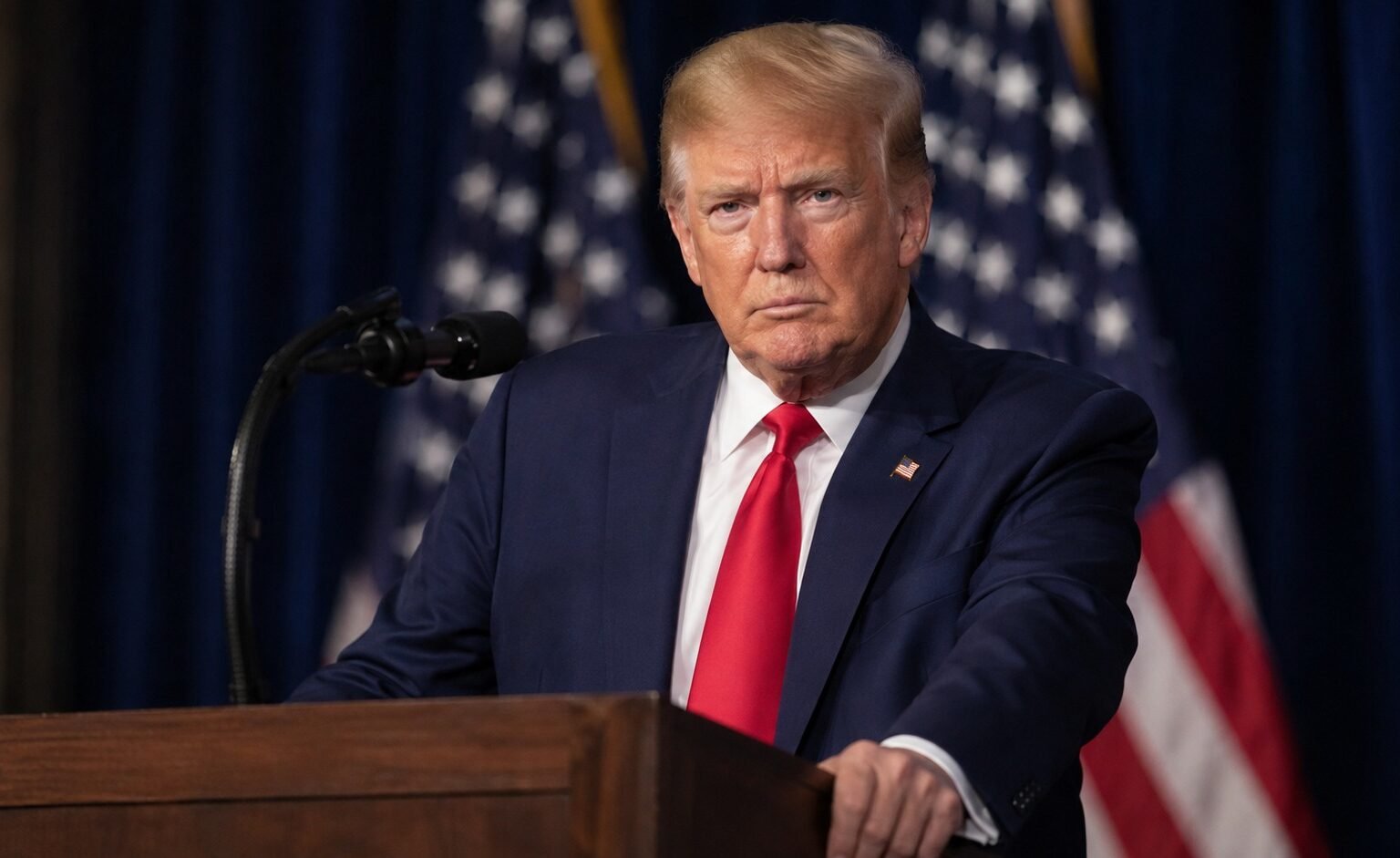
On Friday, August 14, 2026, the Office of the Comptroller of the Currency granted preliminary conditional approval to World Liberty Trust Company, N.A., a proposed national trust bank to be based in Bay Harbor Islands, Florida. The decision is documented as OCC Corporate Decision #1385. Multiple outlets note it is the first time a company owned in part by the family of a sitting president has been cleared for federal bank status.
The applicant is sponsored by World Liberty Financial Inc., the Trump family crypto venture. World Liberty Financial states on its own website that it is 38% owned by an entity affiliated with Donald J. Trump and certain of his family members. President Trump owns roughly 70% of that entity. Eric Trump and Donald Trump Jr. are involved in managing the company.
What the Approval Actually Does
The distinction matters, and it has been widely blurred. This is a national trust charter, not a full-service commercial bank charter. A national trust charter generally does not permit deposit-taking or lending. World Liberty Trust Company would not be a bank where anyone opens a checking account or takes out a mortgage.
The approved activities are narrow and specific: issuing, redeeming and maintaining reserves for a dollar-backed stablecoin on a non-fiduciary basis; providing digital asset custody on a fiduciary basis; and offering conversion services that let custody customers swap approved stablecoins for USD1, the company’s own token.
Conditional, and Not Final
The word doing the heaviest lifting in this story is conditional. The charter has not been issued, and the bank cannot open its doors yet. The OCC attached conditions that must be satisfied first: the company must raise $20 million in tier 1 capital, hire a qualified internal audit manager, and notify the regulator of any significant change to its business plan.
Beyond that, the bank must pass a final OCC preopening examination before it can commence business. The approval is not open-ended either. It expires if the capital is not raised within 12 months, or if the bank does not open within 18 months. In other words, this is the first hurdle cleared, not the finish line.
Why World Liberty Wants the Charter
The business logic is straightforward. World Liberty Financial issues a dollar-backed stablecoin called USD1, which has been reported at roughly $4 billion in circulation. That token is currently issued through BitGo Bank and Trust. A national trust charter clears the way for World Liberty to take over issuance and custody of USD1 itself, bringing a significant revenue stream in-house rather than paying an outside partner to handle it.
The Regulator in the Middle
The OCC is an independent bureau of the Treasury Department. It is currently led by Comptroller Jonathan V. Gould, who was nominated by President Trump, confirmed by the Senate 50-45 on July 10, 2025, and sworn in as the 32nd Comptroller of the Currency. Under Gould, the agency has granted conditional approvals to roughly a dozen crypto firms, which is the context supporters point to when they describe this decision as routine.
It is worth being precise about what is and is not established here. The decision was made by agency staff under a Trump-nominated comptroller. There is no indication that the president personally directed or intervened in the approval, and no court or ethics body has ruled that anything about it was improper. What critics are raising is a structural conflict, not an adjudicated finding.
Reactions and Implications
Sen. Elizabeth Warren (D-Mass.) had urged the OCC to reject the application unless President Trump divested his interest. After the decision, she did not mince words: “President Trump is now the first President in history to approve, operate, and supervise his own bank… This is the most brazen act of self-dealing our financial system has ever seen – and Congress cannot allow it to stand.”
Defenders of the decision argue the charter is narrow, the conditions are real, and the company is one of many crypto firms to receive similar treatment from this OCC. Critics counter that none of those firms are partly owned by the family of the president who appointed the regulator reviewing them. Warren’s remedy is not a lawsuit. It is a call for Congress to act.
What This Means for Americans
Most people will never hold USD1 or open an account at a national trust bank. The stake here is about who watches the watchmen. Federal bank supervision depends on the public believing that the agency reviewing an application has no interest in the outcome. When the applicant is tied to the family of the president who picked the supervisor, that assumption gets harder to defend – and the only body positioned to set a clearer rule is Congress.
Stay informed on the stories that matter most. Follow Your Daily Updates on Facebook and bookmark yourdailyupdates.news for breaking news and analysis.