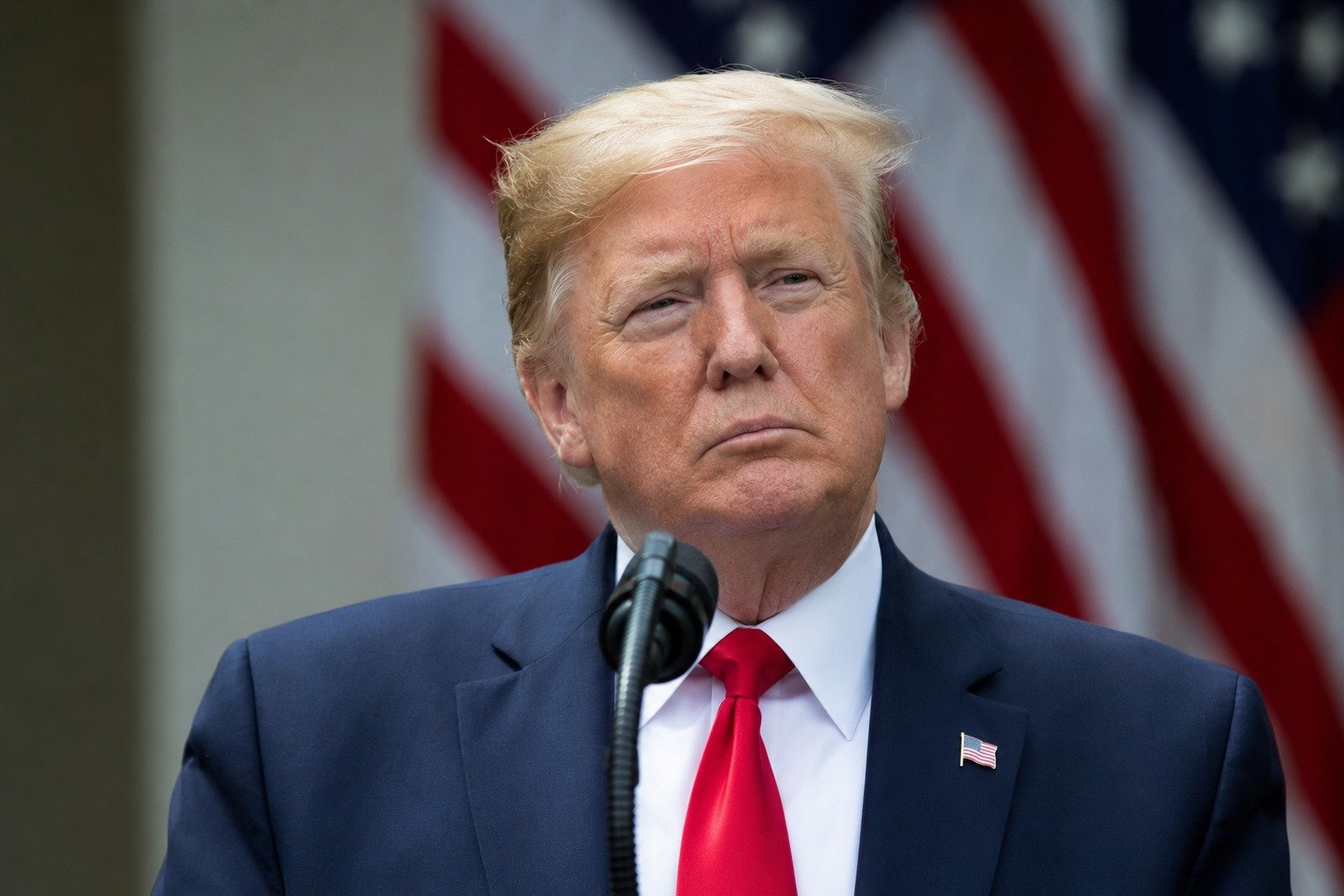
A federal judge has again halted a central piece of President Donald Trump’s effort to reshape how Americans vote. On August 11, 2026, U.S. District Judge Indira Talwani granted a nationwide preliminary injunction barring the U.S. Postal Service from enforcing part of Trump’s “election integrity” executive order — the provision that would have let the agency refuse to carry mail-in and absentee ballots unless states first met a strict new demand.
What the Order Would Have Done
The blocked provision is Section 3 of Executive Order 14399, which Trump signed in March 2026. It directed the Postal Service to stop transmitting mail-in and absentee ballots unless a state handed over citizen-eligibility voter lists at least 60 days before an election. In practice, states that did not comply on the administration’s timeline could have seen their voters’ ballots refused by the mail system that millions rely on to cast them.
Judge Talwani, who sits in the U.S. District Court for the District of Massachusetts in Boston, found that the requirement crossed a constitutional line. The executive branch, she wrote, “has no authority to regulate elections.” Under the Constitution, the power to set the time, place, and manner of federal elections belongs to the states and to Congress — not to the White House.
The Second Time This Order Has Been Stopped
This is not the first time Talwani has blocked the measure. She first halted it in June 2026, and the new ruling reinforces that earlier decision. The injunction now applies nationwide and covers the November 3, 2026 midterm elections as well as any earlier federal election.
It is important to be precise about what the ruling is and is not. This is a preliminary injunction, not a final judgment on the merits. It freezes the disputed provision while the case moves forward, and it is appealable. The order had restricted — but had not yet actually stopped — any 2026 ballots from moving through the mail. What the ruling does is keep that restriction off the books for now.
What Comes Next
The administration is expected to appeal to the U.S. Court of Appeals for the 1st Circuit. If it does, the case could climb the federal ladder in the months before the midterms, and higher courts will have their own say on whether the president can attach conditions to how the Postal Service handles ballots.
For voting-rights advocates, the decision is a significant checkpoint. They have argued that letting a federal agency turn away ballots based on paperwork disputes between Washington and the states would hand the executive branch a tool to disrupt elections it does not control. Supporters of the order have framed it as a way to verify voter eligibility, but the court’s finding was blunt about where that authority does and does not lie.
What This Means for Americans
For the tens of millions of Americans who vote by mail — older voters, rural voters, people with disabilities, service members, and anyone who cannot easily get to a polling place — the ruling means their ballots are protected for the coming midterms while the legal fight continues. The bigger question the case raises is a foundational one: who gets to write the rules for American elections? For now, a federal judge has answered that it is not the president acting alone.
Stay informed on the stories that matter most. Follow Your Daily Updates on Facebook and bookmark yourdailyupdates.news for breaking news and analysis.