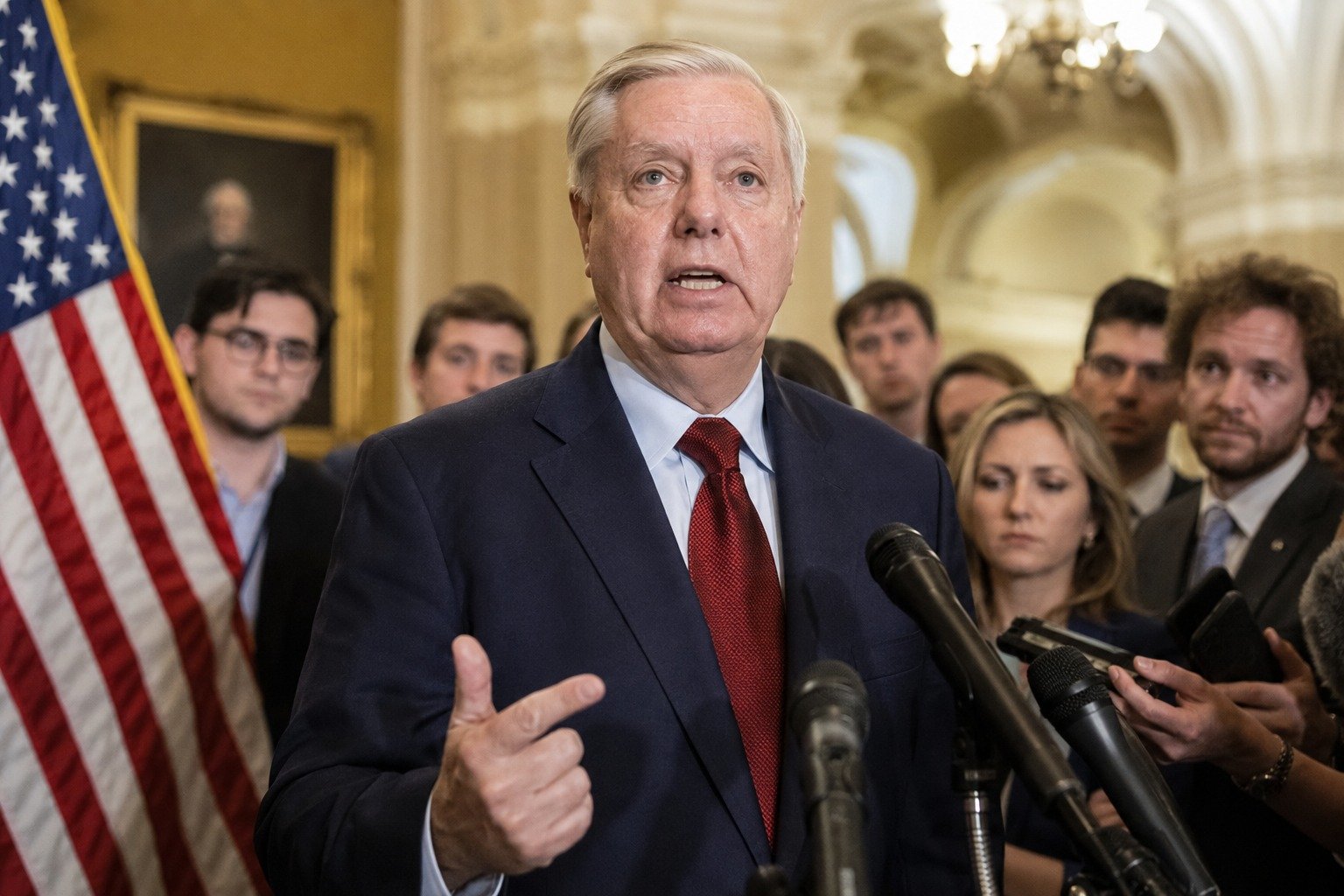
The U.S. Senate has passed a sweeping package of new sanctions targeting Russia – legislation named in honor of the late Sen. Lindsey Graham, who championed it for years but did not live to see the vote. The measure cleared the chamber on August 7, 2026, roughly four weeks after Graham died at the age of 71.
The Senator Behind the Bill
Graham, a longtime South Carolina Republican and prominent ally of President Donald Trump, spent years pressing to hold Moscow accountable over its war in Ukraine. He died on July 12, 2026, following a sudden illness that his doctors attributed to an aortic dissection. His death, and his colleagues’ decision to attach his name to the sanctions package, turned what might have been a routine foreign policy vote into one of the more unusual moments on Capitol Hill this year.
For much of his Senate career, Graham was one of the loudest voices calling for a harder line against the Kremlin. The bill that now carries his name was the product of that long campaign – a piece of legislation that had been introduced, debated, and stalled repeatedly before it finally reached the floor.
What the Bill Does
The package goes after Russia with steep new sanctions. Its most notable feature is a set of secondary tariffs aimed at countries that continue to buy Russian oil and energy – a mechanism designed to pressure not just Moscow, but the nations still doing business with it. The legislation also targets Iran.
Supporters say the goal is straightforward: choke off the revenue that funds Russia’s war effort and raise the cost of propping up its energy exports. By reaching beyond Russia’s borders to the buyers of its oil, the bill attempts to close the loopholes that have blunted earlier rounds of sanctions.
Passed the Senate – But Not Yet Law
One crucial point is easy to miss in the headlines: this is not law yet. The bill has passed the Senate, but it still needs to clear the House of Representatives and be signed by the president before any of its provisions take effect. For now, it represents a major step – not the finish line.
That distinction matters. A Senate vote signals momentum and builds political pressure, but the path from a passed bill to an enforced law can be long and uncertain. Whether the House takes it up quickly, and whether the president signs it, will determine if the sanctions ever reach Russian or Iranian targets.
Reactions and Implications
The vote drew notice not only for its substance but for its symbolism. Lawmakers on both sides framed passage as a tribute to the senator who drove the effort, and the bipartisan support behind a Russia-accountability measure named for a Republican gave the moment a rare cross-aisle quality in a deeply divided Congress.
Critics and supporters alike will now watch the House. Secondary tariffs on nations that buy Russian energy could ripple through global markets and complicate relationships with countries that have kept trading with Moscow, and those consequences are likely to shape the debate as the bill moves forward.
What This Means for Americans
For everyday Americans, the story is a reminder that foreign policy is rarely settled in a single vote. Sanctions and tariffs can affect energy prices, trade, and national security – and the decisions made in the coming weeks will determine whether this legislation becomes a real tool of pressure or simply a symbolic gesture attached to a late senator’s name.
Stay informed on the stories that matter most. Follow Your Daily Updates on Facebook and bookmark yourdailyupdates.news for breaking news and analysis.