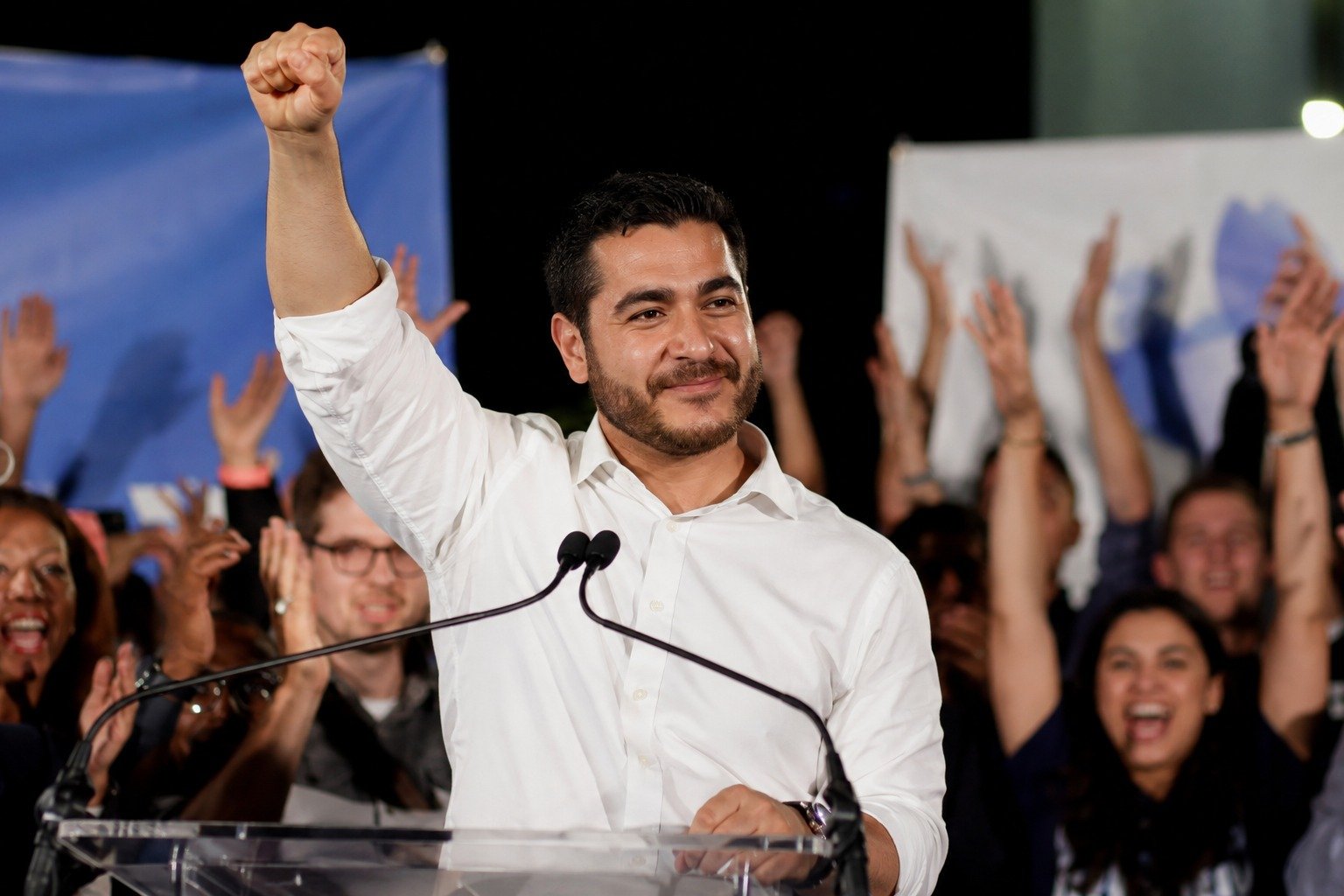
Abdul El-Sayed just pulled off one of the biggest upsets of the 2026 election cycle. On August 5, the physician and former Detroit health official won Michigan’s Democratic primary for an open U.S. Senate seat, defeating better-funded, establishment-backed rivals to become his party’s nominee. If he wins in November, he would make history as the first Muslim ever to serve in the United States Senate.
A Milestone Within Reach – But Not Yet Reached
It is worth being precise about what happened, because the milestone is real but conditional. El-Sayed did not win a Senate seat on Tuesday. He won a primary. That makes him the Democratic nominee for one of Michigan’s Senate seats – the person who will carry the party’s banner into a competitive general election this November. He still has to win that race before any history is made.
Still, the significance is hard to overstate. No Muslim American has ever served in the U.S. Senate. Muslims have broken barriers in the House of Representatives – Keith Ellison and Andre Carson were the first, followed by Ilhan Omar and Rashida Tlaib – but the Senate, the more exclusive of the two chambers with just 100 members, has never had one. El-Sayed is now a single election away from changing that.
Who Is Abdul El-Sayed
El-Sayed is not a newcomer to Michigan politics. A doctor and epidemiologist by training, he served as executive director of the Detroit Health Department, one of the youngest people to run a major American city’s public health agency. He first ran statewide in 2018, mounting a progressive campaign for governor that fell short in the primary but built a durable network of activists, organizers, and small-dollar donors.
That network became the backbone of his Senate run. He campaigned as an unapologetic progressive – the kind of candidate the party establishment tends to view warily – and he leaned into it rather than away from it. The bet paid off.
A Defeat for Big Money and the Establishment
The race quickly became a proxy fight over the direction of the Democratic Party. It was widely framed as a test of the influence of AIPAC – the pro-Israel lobbying group that has spent heavily to defeat progressive candidates in recent cycles – and of the party establishment’s grip on primary voters. Both lined up against El-Sayed, and outside money poured in to stop him.
It was not enough. El-Sayed’s coalition of grassroots donors and volunteers pushed back against the flood of establishment spending, and on Tuesday night, the grassroots came out on top. For a movement that has watched big money sink progressive Senate bids before, the win landed as a genuine breakthrough.
What Comes Next
The general election will be its own fight. Michigan is a battleground state, and the seat is open, which means both parties will pour resources into it through November. Republicans will contest it aggressively. El-Sayed will need to hold his grassroots base while reaching the broader electorate that decides statewide races.
For voters, the stakes are clear. A Senate seat is a six-year term with real power over the courts, the budget, and the direction of national policy. And for millions of Muslim Americans who have never seen someone of their faith serve in the Senate, El-Sayed’s candidacy carries a weight that goes beyond any single vote. The question now is whether Michigan sends him to Washington in November – and whether history follows.
Stay informed on the stories that matter most. Follow Your Daily Updates on Facebook and bookmark yourdailyupdates.news for breaking news and analysis.