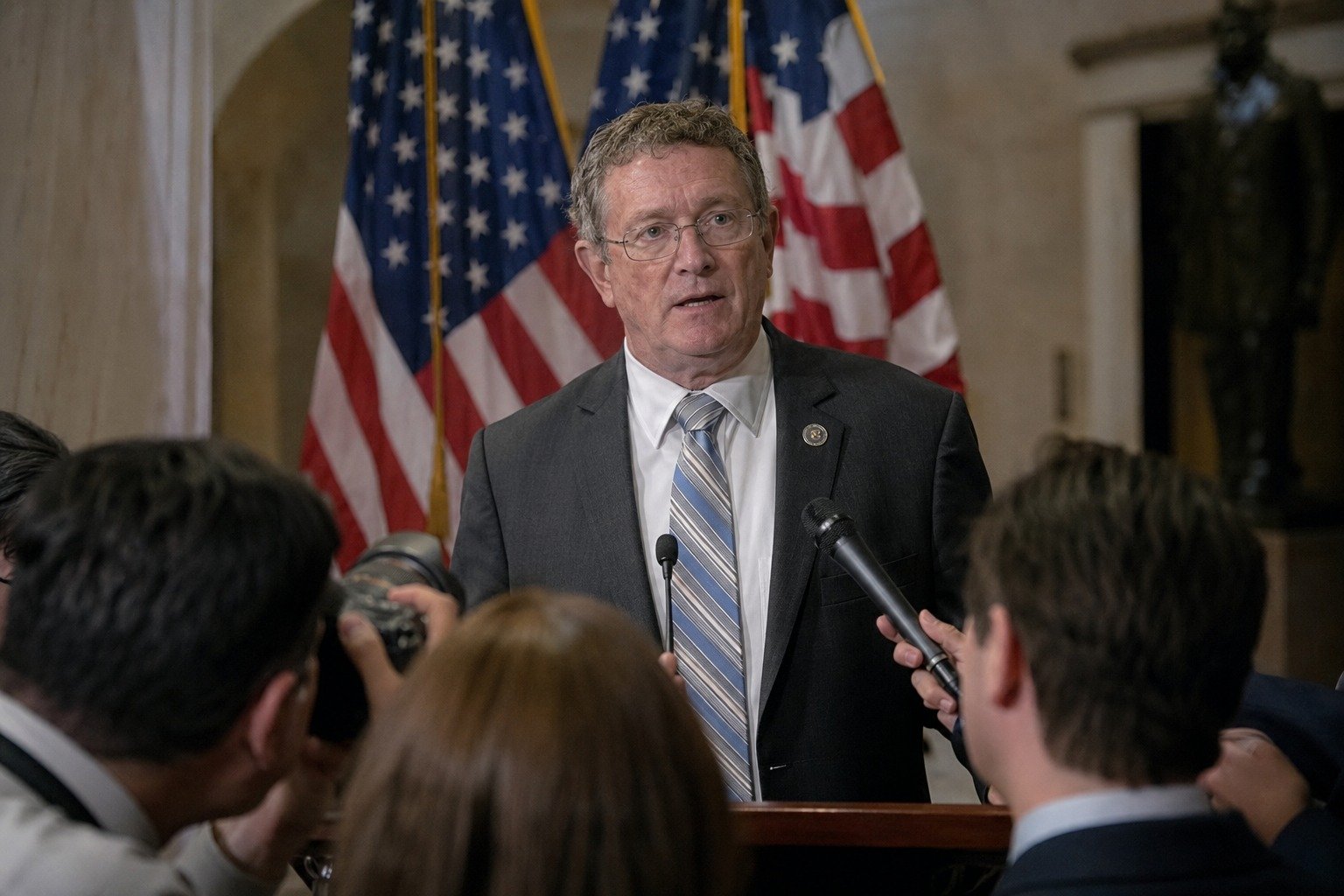
Two lawmakers from opposite parties are trying to force the federal government to finish a job it started but never completed. Rep. Thomas Massie (R-KY) and Rep. Ro Khanna (D-CA) have introduced a second Epstein transparency bill – a follow-up designed to make sure the law they already passed actually gets enforced.
How We Got Here
The original Epstein Files Transparency Act was no small thing. It cleared the House by a stunning 427-1 vote and was signed into law by President Trump in November 2025. That signature came only after months of resistance: Trump had publicly opposed the measure before reversing course under intense pressure from his own base and a bipartisan bloc in Congress that refused to let the issue die.
But passing a law and enforcing it are two different things. According to the lawmakers behind the new push, the Justice Department blew past the disclosure deadlines the law set and then released a batch of files so heavily redacted that critics say the whole point of the legislation was quietly defeated. The public got documents, but the substance was blacked out.
What the New Bill Would Do
The follow-up, informally called the Epstein Files Transparency Act II, is built to close the loopholes the first law left open. It takes direct aim at the enforcement gap that let the DOJ stall.
First, it would give Congress legal standing to sue the Justice Department when it refuses to comply – turning a missed deadline from a political embarrassment into an actionable court matter. Second, it would let Epstein’s survivors sue the Attorney General directly, giving the people most affected a way to demand the records in their own names. Third, it would empower state attorneys general to prosecute alleged co-conspirators that the federal government has declined to pursue, opening a path around a DOJ that critics say has been dragging its feet.
It is important to be precise about where this bill stands. It has only been introduced. It has not passed the House, it has not passed the Senate, and it is not law. Massie has floated a discharge petition – a hardball procedural tool that can force a bill to the floor over the objections of party leadership. That is the same maneuver that helped drag the first Epstein bill across the finish line, so it is not an idle threat.
The Open Question: Would Trump Sign It?
The obvious question hanging over the sequel is the same one that shadowed the original: would the president sign it? Trump has not stated a position on the new bill. His history on the first version is the only guide we have, and that history is complicated – he fought the original for months before caving and signing it into law.
That track record cuts both ways. It shows he is willing to reverse himself under pressure, which is what supporters of the new bill are counting on. It also shows that pressure had to reach a boiling point before he moved. Whether a second, tougher bill generates that same intensity is the political variable no one can predict yet.
What This Means for Americans
Strip away the procedural details and the core issue is simple: a law passed almost unanimously, and the public still has not gotten the full record it was promised. For the survivors, the redactions are not an abstraction – they are the difference between accountability and another dead end. For everyone else, this is a test of whether a law with overwhelming support can actually be enforced when a federal agency decides to stall. The people pushing hardest for the files are not satisfied with a censored release. They want the full record, and they want a law with enough teeth to get it.
Stay informed on the stories that matter most. Follow Your Daily Updates on Facebook and bookmark yourdailyupdates.news for breaking news and analysis.