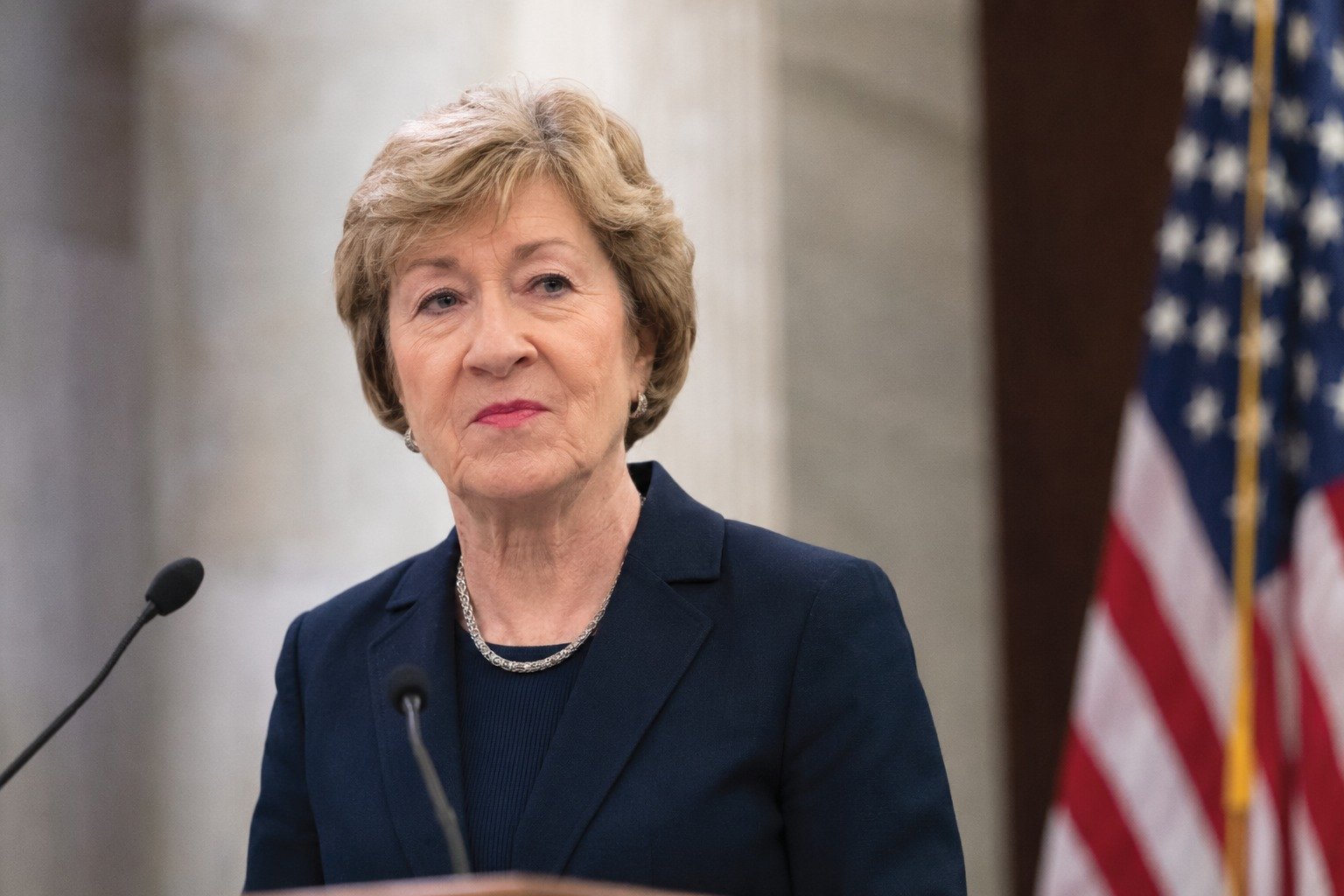
Senator Susan Collins is asking Maine voters to send her back to Washington for another term in 2026, but a single decision from her past keeps surfacing on the campaign trail: her 2018 vote to confirm Brett Kavanaugh to the U.S. Supreme Court. Kavanaugh later joined the majority that overturned Roe v. Wade, and Collins — far from apologizing — says she does not regret the vote.
A Vote That Still Defines Her
When Collins cast her vote to confirm Kavanaugh in October 2018, she delivered a lengthy floor speech explaining her reasoning. She pointed to Kavanaugh’s testimony and assurances that Roe v. Wade was “settled law” and precedent that deserved respect. For a senator who had long branded herself as a moderate Republican who supports abortion rights, that framing was central. It let her present the confirmation as consistent with her own positions.
Four years later, that reasoning collided with reality. In 2022, the Supreme Court’s decision in Dobbs v. Jackson Women’s Health Organization overturned Roe in a 5-4 ruling. Kavanaugh was one of the five justices in that majority. He did not overturn Roe on his own — it took five votes — but his confirmation was one of the pivotal moments that made the outcome possible, and Collins provided one of the votes that put him on the bench.
No Apology on the Trail
As Collins runs for another term, the Kavanaugh vote has become a central line of attack, especially on abortion. Critics and opponents have pressed her to say she was misled or that she regrets it. She has refused. Collins has said plainly that she does “not regret” the vote and believes she “cast the right vote.”
That stance has kept the issue alive rather than putting it to rest. Her Democratic challenger, Graham Platner, who won his primary, has seized on it. When Collins reaffirmed that she stood by her decision, Platner’s response was blunt and just two words: “You should.” The exchange captured the core of the fight: Collins insists her vote was justified; her opponents insist the consequences prove otherwise.
Why It Haunts the Campaign
Much of the mainstream coverage has framed the story around how the vote “haunts” Collins on the trail. The word fits — not because Collins is wracked with second thoughts, but because the issue will not leave her alone. Every abortion-rights voter in Maine now has a direct, personal reason to weigh her record. Collins built a brand as the rare Republican who would protect reproductive rights, and then she cast a pivotal vote to confirm one of the five justices who ultimately ended the federal right to abortion. Her opponents argue the two things cannot be reconciled. She argues they can.
What It Means for Maine Voters
For Maine voters, the debate is more than a rehash of 2018. It is a question of accountability: when a senator’s vote produces a consequence that directly affects millions of people, how much should that vote define the rest of her career? Abortion access, and the confirmation votes that shaped it, now sit at the center of a competitive Senate race that could help decide control of the chamber.
Collins is betting that voters will separate her stated support for abortion rights from the outcome her confirmation vote helped produce. Platner and other critics are betting they won’t. The result in 2026 will show which read of the electorate is correct.
Stay informed on the stories that matter most. Follow Your Daily Updates on Facebook and bookmark yourdailyupdates.news for breaking news and analysis.