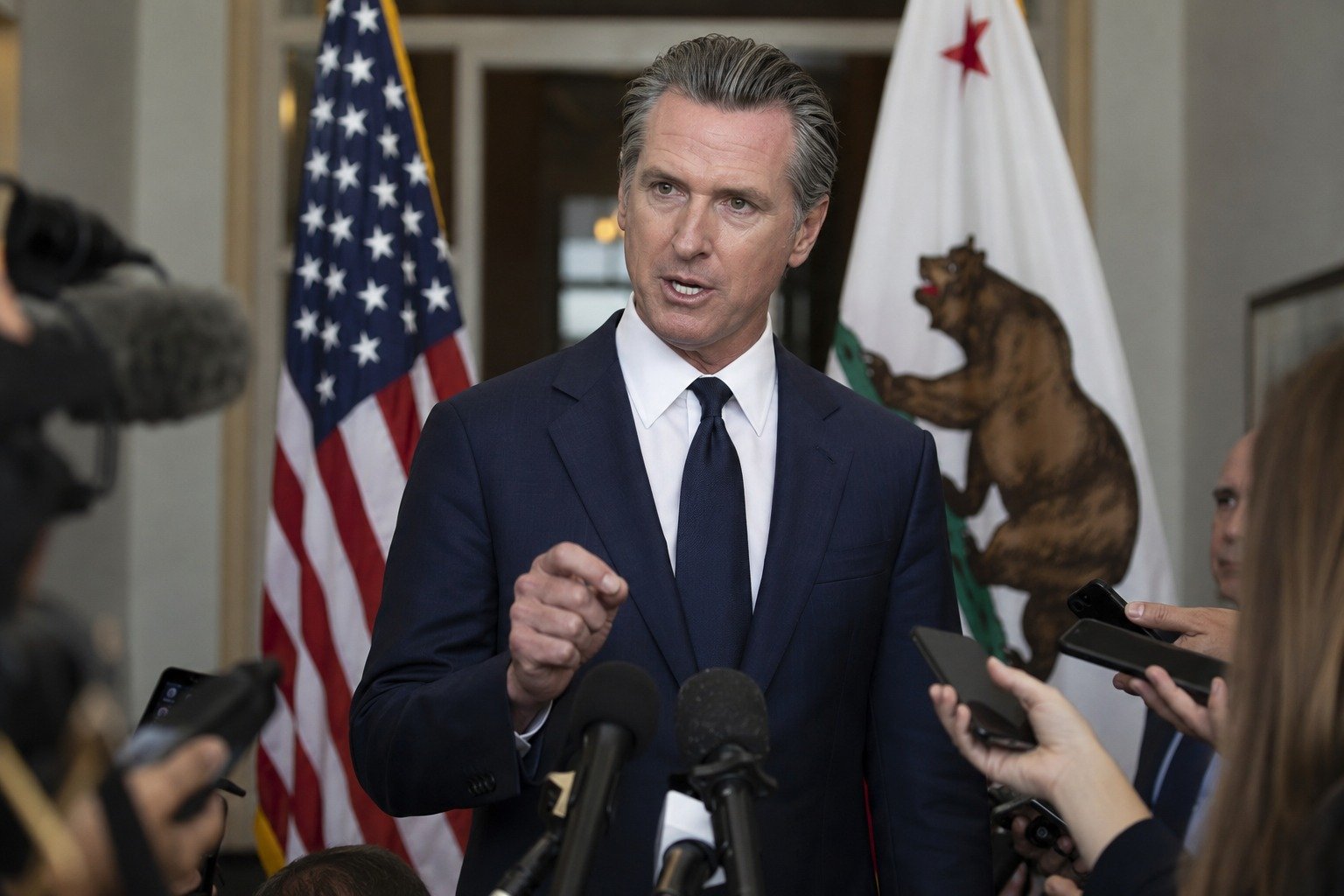
California’s lowest-paid workers are getting a raise. Starting January 1, 2027, the state’s minimum wage will climb to $17.40 an hour — the highest statewide rate anywhere in the nation. Governor Gavin Newsom announced the increase on July 31, and he used the moment to draw a sharp contrast with Washington, where the federal minimum wage has not budged in more than 16 years.
The new rate is up from $16.90 in 2026. But the headline number is only half the story. The real gap is between what California guarantees its workers and what federal law still allows employers elsewhere to pay: just $7.25 an hour, a rate frozen in place since 2009.
Not a New Law — a Built-In Raise
It is important to be clear about what happened, because the increase is easy to misread. Newsom did not sign a new bill, and lawmakers did not pass a fresh hike. The jump to $17.40 is an automatic cost-of-living adjustment written into existing California law under Senate Bill 3, the 2016 measure that phased the state toward a $15 minimum and then tied future increases to inflation.
In practice, that means California’s wage floor rises on its own each year to keep pace with the cost of living. When prices go up, so does the minimum wage — no new vote required. It is a quiet, mechanical adjustment that protects workers from watching their paychecks lose value every time rent, groceries, and gas get more expensive.
The Federal Floor Hasn’t Moved Since 2009
The federal minimum wage has no such mechanism. It has sat at $7.25 an hour since July 2009 — the longest stretch without an increase since the federal minimum wage was first established in 1938. A worker earning the federal minimum today takes home the same nominal hourly pay they would have earned during the Great Recession, even as the price of nearly everything has climbed.
Newsom did not let that contrast go unmentioned. “For years, Donald Trump and Republicans have blocked efforts to raise the federal minimum wage while handing tax breaks to billionaires and big corporations,” the governor said, framing California’s indexed floor as a deliberate rebuke of a Washington that has left the national wage untouched for a generation.
What the Gap Means for Real Paychecks
The difference is not abstract. For a full-time worker putting in 40 hours a week, $17.40 an hour comes out to roughly $36,000 a year before taxes. The federal minimum of $7.25 produces about $15,000 over the same schedule. Same hours, same effort, same country — and a gap of more than $10 an hour, or about $21,000 a year.
Supporters of indexing say the approach is simple common sense: pegging wages to inflation keeps low-paid workers from quietly falling behind year after year. Critics argue that higher minimums put pressure on small businesses and could push some employers to cut hours or raise prices. That debate is real. But with the federal floor stalled for 16 years and counting, states like California have stopped waiting for Congress to act.
A Widening Divide Between States and Washington
California is now the clearest example of a growing split in American labor policy. A handful of states and cities have pushed their wage floors well above the federal number, while workers in states that follow the federal minimum remain locked at 2009 pay. The result is a country where the value of an hour of the lowest-paid labor depends heavily on which side of a state line you happen to work.
For millions of Americans, the question Newsom’s announcement raises is straightforward: if California can automatically lift its workers to $17.40, why has the federal minimum been allowed to sit frozen for more than a decade and a half? With the 2027 rate now set, the pressure on Washington to finally revisit the national floor is only likely to grow.
Stay informed on the stories that matter most. Follow Your Daily Updates on Facebook and bookmark yourdailyupdates.news for breaking news and analysis.