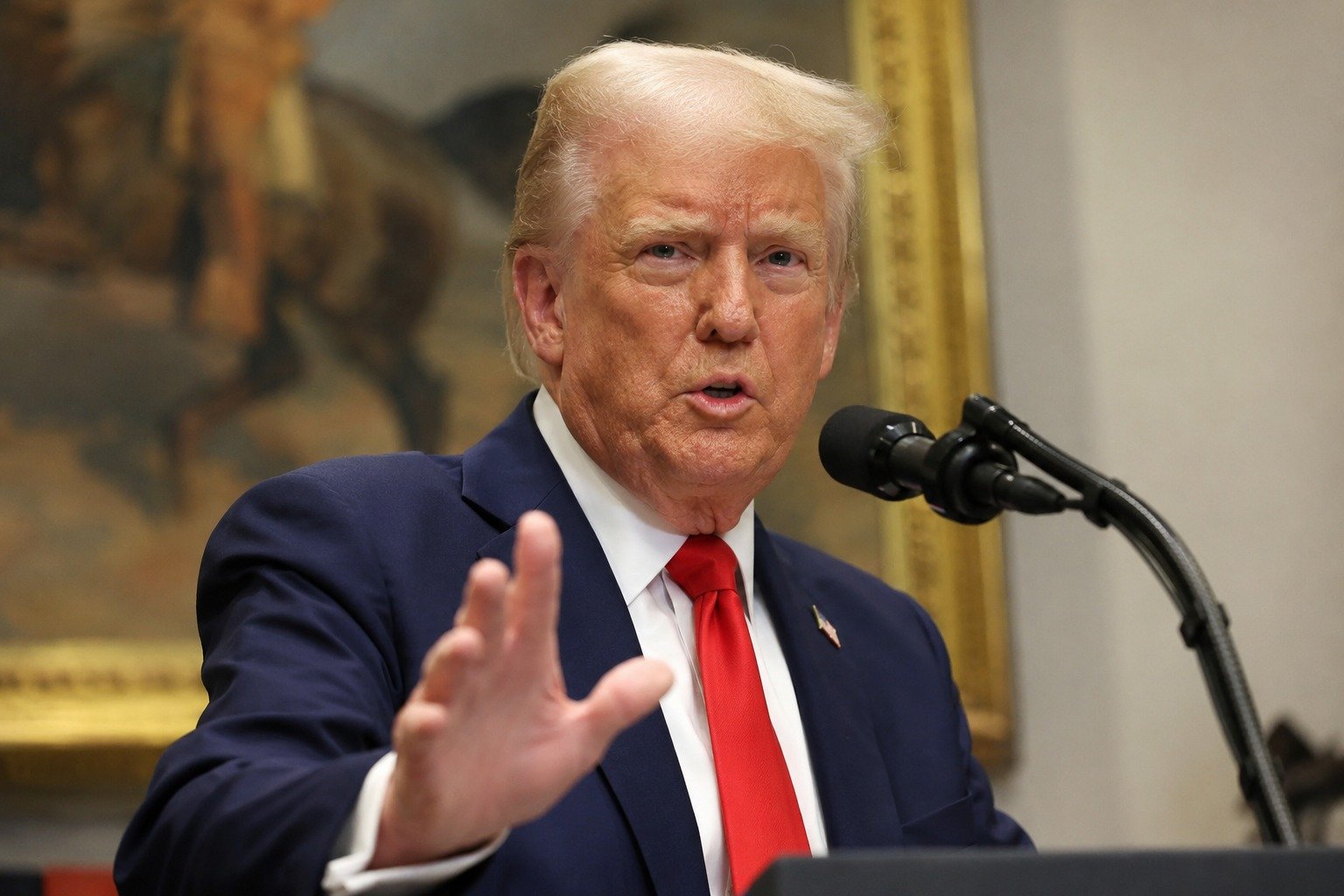
President Donald Trump said on July 31, 2026, that the government’s so-called “anti-weaponization” fund is “dead” – and then, almost in the same breath, made clear he still wants the payouts to go out. It was a striking pair of statements about a program that traces directly back to Trump’s own legal fight with the federal government he now leads.
How the Fund Came to Exist
To understand why this matters, you have to follow the money back to its source. The fund did not begin as an independent watchdog program built to protect ordinary Americans from government overreach. It grew out of Trump’s own $10 billion lawsuit against the Internal Revenue Service over the leaking of his tax records – a case he ultimately settled.
After that settlement, the Justice Department established a fund – reported at somewhere between $1.7 billion and $1.8 billion – to pay claims from people who said the government had been “weaponized” against them. On paper, it was framed as a remedy for those wronged by federal power. In practice, its origins sit uncomfortably close to the president’s personal grievance.
A President Suing the Government He Runs
Line the pieces up and the picture is hard to miss. This is a president who effectively sued the government he now runs, reached a settlement, and then presided over the creation of a fund designed to pay claims that look strikingly similar to his own. That is not the structure of a neutral, independent program. It is the structure of a system that can pay claims resembling the grievance of the man at its center.
The distinction is not academic. An independent fund answers to a set of rules and a mission bigger than any one person. A fund born from the president’s own lawsuit answers to questions about who benefits, who decides, and whether public money is being routed toward private grievances dressed up as public policy.
“Dead,” But Still Paying?
Now Trump is calling the fund “dead” – his word – even as he continues to defend it and push for the money to be paid out. Those two positions do not sit easily together. A program that is genuinely finished does not need someone insisting the checks still go out. A program that is still cutting checks is not, in any meaningful sense, dead.
The contradiction has not gone unnoticed in the courts. A federal judge has already rebuked Trump and the Justice Department over the underlying lawsuit that set this entire chain of events in motion – a signal that the legal foundation here is far from settled, no matter how the fund is described publicly.
What This Means for Americans
Here is why this should matter to anyone who pays taxes. Nearly $2 billion in public money is attached to a fund whose roots run back to the president’s personal lawsuit. When the person who benefits from a settlement also sits atop the government paying the claims, the ordinary guardrails – independence, transparency, accountability – are exactly what taxpayers should be demanding. Calling the program “dead” while still pressing for payouts only sharpens the questions: dead for whom, and alive for whom?
Stay informed on the stories that matter most. Follow Your Daily Updates on Facebook and bookmark yourdailyupdates.news for breaking news and analysis.