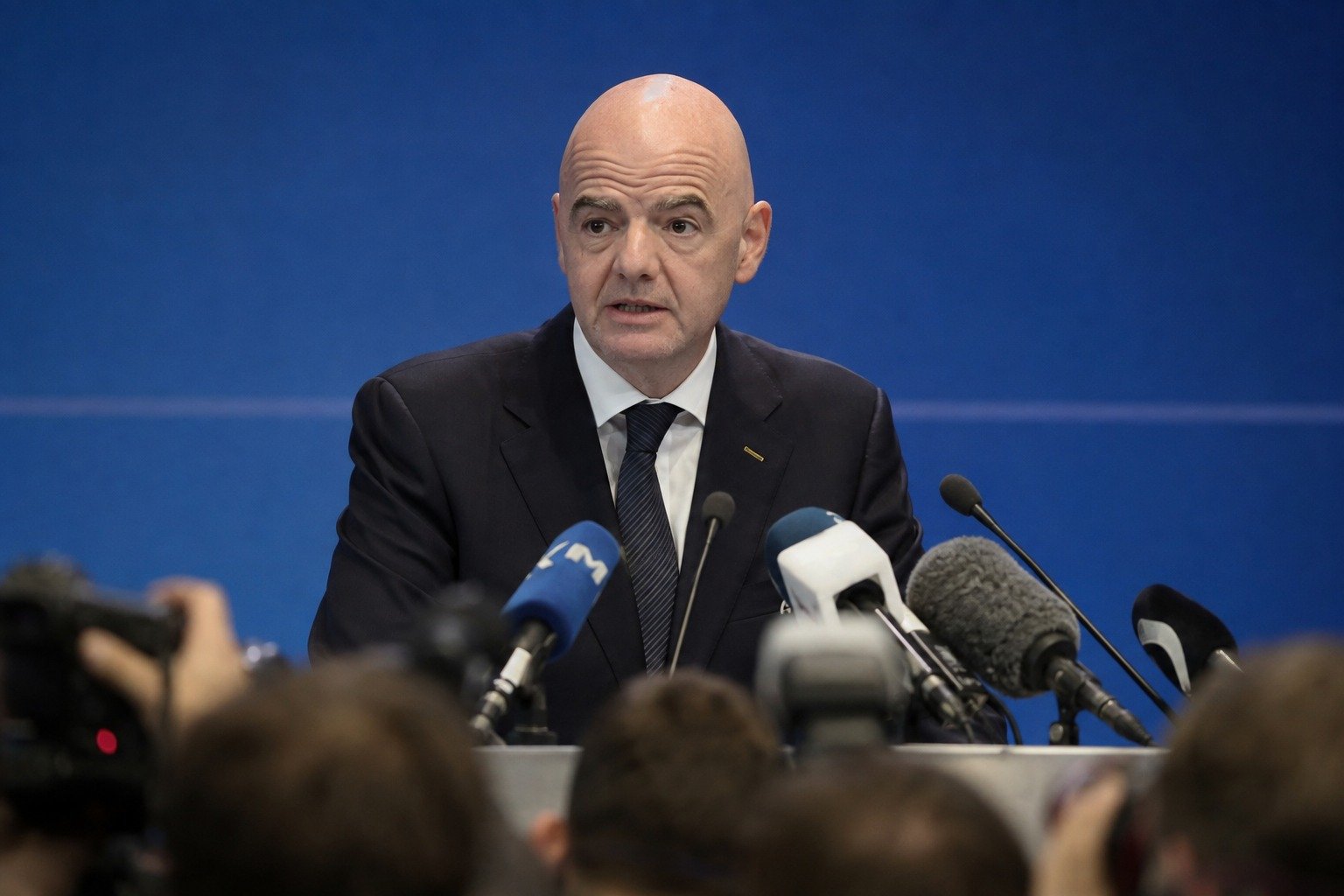
FIFA has abandoned one of the most controversial ideas in its modern history. On July 31, 2026, President Gianni Infantino announced that a plan to sell minority stakes in the World Cup and Club World Cup to private investors “will not proceed,” conceding that the proposal had “created divisions.” The reversal came just three days after the plan was first unveiled.
A Plan That Lasted Three Days
The proposal surfaced on July 28. In broad strokes, FIFA would have sold a minority ownership piece of its crown-jewel tournaments to outside investors – a group reportedly including a firm led by Joshua Kushner. A figure of roughly $20 billion in private investment was cited in reporting on the deal. The Club World Cup, which FIFA dramatically expanded in recent years, was bundled into the same plan, widening how much of FIFA’s commercial future would have been tied to outside money.
For an organization that has spent a century presenting itself as the global steward of the sport, the idea of handing private investors a permanent cut of the World Cup was explosive. It took roughly 72 hours to collapse.
Confederations and Fans Push Back
The backlash was immediate and came from every direction. UEFA, European football’s governing body, opposed it. So did CONCACAF, which oversees North and Central America and the Caribbean, and the AFC, Asian football’s confederation. Several European federations went further, floating the possibility of boycotts.
What made the speed of the collapse remarkable was the breadth of the opposition. It is rare for UEFA, CONCACAF and the AFC – confederations that frequently clash over FIFA politics – to line up on the same side this quickly. That unified front, combined with boycott threats that could have hollowed out the very tournaments the investors were trying to buy into, left the plan with almost no path forward.
The pressure was not only external. Inside FIFA, adviser Carlos Cordeiro resigned. A FIFA chief operating officer, Kevin Lamour, reportedly described the plan as “the project of one person” – a striking public rebuke of the organization’s own leadership. By July 31, Infantino folded, acknowledging the divisions the plan had caused rather than defending its merits.
Why the Money Argument Fell Flat
Supporters framed the deal as a way to unlock new investment. Critics saw something else: a governing body already awash in cash trying to sell off a piece of a public treasure. FIFA generated roughly $15 billion over the past four years – without surrendering any ownership of its tournaments. That number gutted the case that FIFA needed private capital to survive or grow, and it sharpened the question of why the organization was willing to give up permanent control at all.
Who Owns the World Cup?
The World Cup is not just a tournament. It is a shared inheritance for billions of people who have no seat in FIFA’s boardroom but who make the event what it is. Selling even a minority stake to private investors would have meant that a slice of every future World Cup – the goals, the drama, the national pride – carried a profit obligation to outside shareholders.
For now, fans and national federations proved they still have leverage. Organized pressure forced a reversal in three days. But Infantino has not ruled the idea out forever, and the investors who wanted in have not disappeared. The fight over whether the world’s game stays public or gets carved up for private profit is paused, not settled.
Stay informed on the stories that matter most. Follow Your Daily Updates on Facebook and bookmark yourdailyupdates.news for breaking news and analysis.