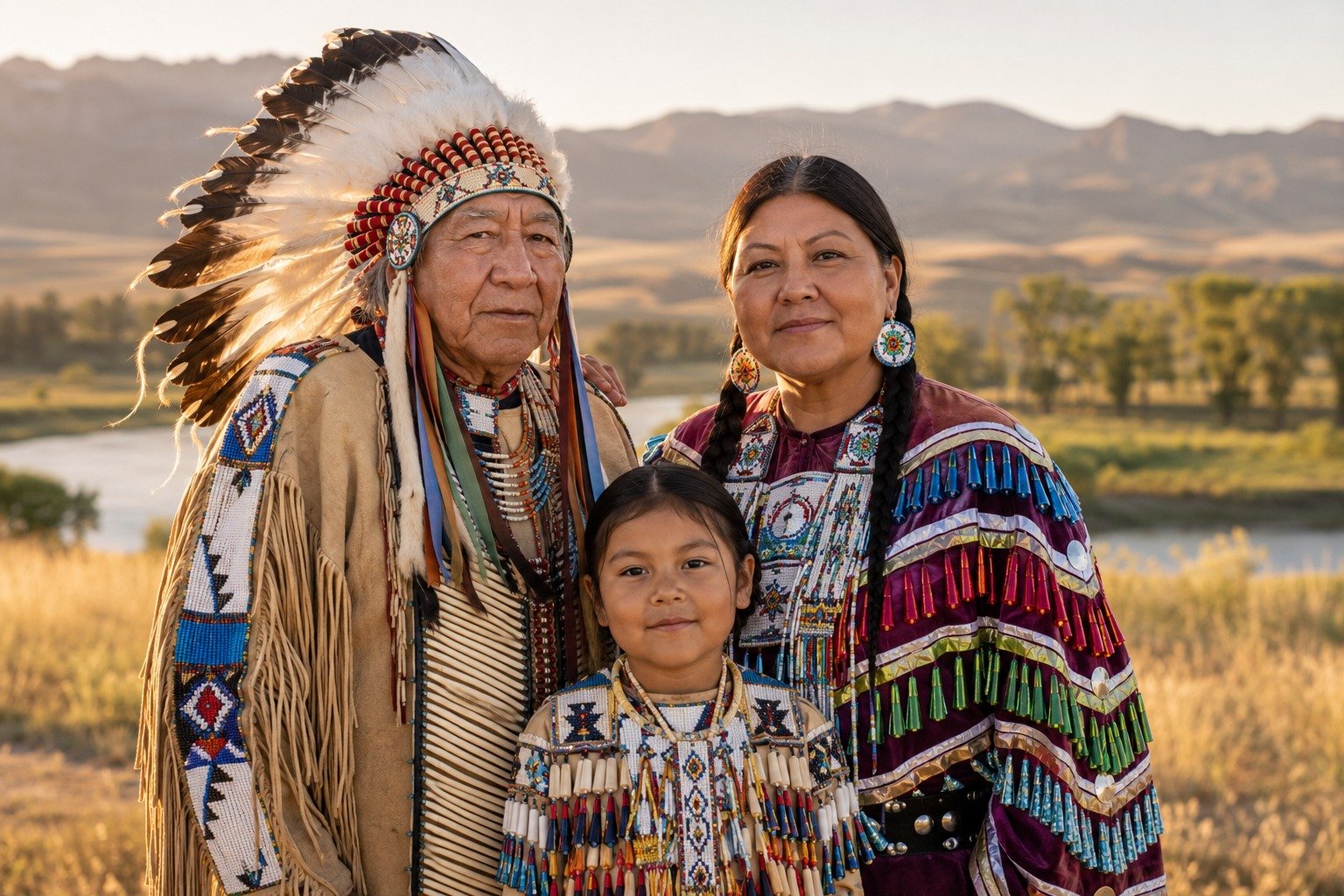
Montana is the only state in America whose constitution actually requires public schools to teach Native American history. It is not a guideline, a suggestion, or a well-meaning policy statement. It is a constitutional command, written directly into the state’s founding document more than fifty years ago, and it makes Montana unique among all fifty states.
A Constitutional Promise Written in 1972
When Montana rewrote its constitution in 1972, the delegates included a provision unlike anything in any other state charter. Article X, Section 1 directs the state to recognize the distinct and unique cultural heritage of Native Americans and commits Montana, in its educational goals, to the preservation of that heritage. In plain terms: the history and cultures of Montana’s tribal nations are supposed to be taught to every student in the state, Native and non-Native alike.
The provision became known as “Indian Education for All.” For decades it sat largely dormant, an aspiration more than a practice. That changed in 1999, when Montana lawmakers passed the Indian Education for All Act, the enabling legislation meant to turn the constitutional language into real lessons in real classrooms. The law called for curriculum, teacher training, and dedicated funding so that the promise on paper would finally reach students.
What the Mandate Actually Requires
The idea behind Indian Education for All is simple and, for its time, radical: the history of the people who were here first should not be an elective or a footnote tucked into a single unit. It should be woven into what every child learns, in every district, every year. Montana is home to a dozen tribal nations and seven reservations, and the framers of the mandate believed that understanding that history was essential not just for Native students, but for every Montanan.
No other state has written that commitment into its constitution. Other states encourage or recommend teaching tribal history; Montana is alone in making it a constitutional duty. That distinction has made the state a national reference point in debates over how American schools teach the fuller, more honest story of the country’s past.
The Fight Over Funding
A promise on paper, though, is only as strong as the money behind it. Montana has repeatedly faced criticism and litigation over failing to fully fund and implement the mandate its own constitution created. In the DuPuis-Pablo case, brought against the Office of Public Instruction, plaintiffs argued the state was not living up to its constitutional obligation. That case reached a settlement in 2025 aimed at holding the state accountable to the very words its voters ratified in 1972.
The dispute reframed the entire conversation. The question is no longer whether Native American history belongs in Montana’s classrooms — the state settled that half a century ago. The question is whether Montana will actually pay for the lessons it has already promised, and whether a constitutional guarantee means anything if the funding never follows.
What This Means for Americans
Montana’s experience is a test case for the rest of the country. It shows that a state can enshrine a commitment to honest, inclusive education at the highest legal level — and it also shows how hard it can be to force a government to keep that commitment without courts stepping in. For families in Montana, the stakes are concrete: whether their children grow up learning the full history of the land they live on, or whether that promise stays locked in a document nobody funds.
Stay informed on the stories that matter most. Follow Your Daily Updates on Facebook and bookmark yourdailyupdates.news for breaking news and analysis.