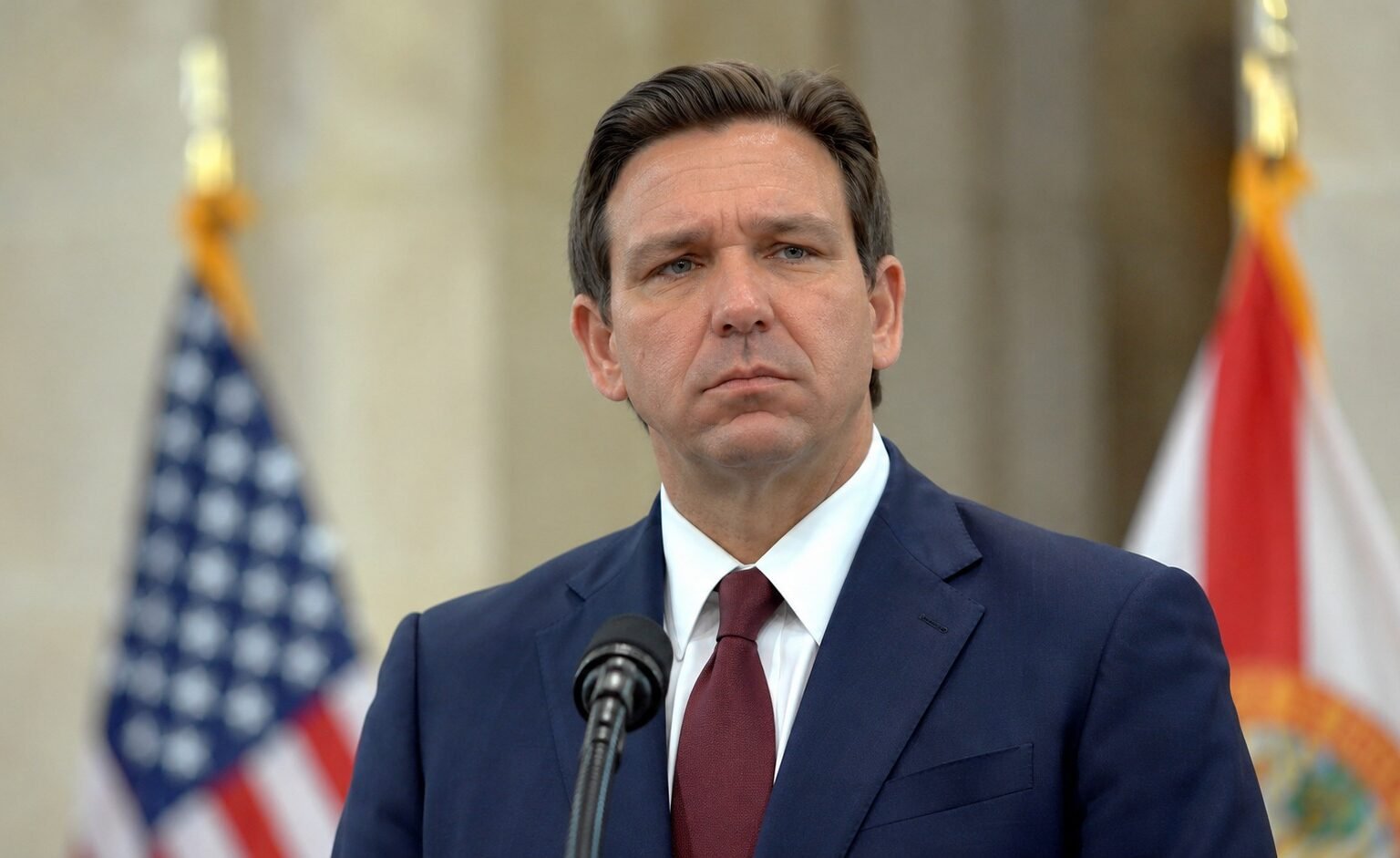
A federal appeals court has dealt a significant blow to one of Florida Governor Ron DeSantis’s signature culture-war laws. On July 7, 2026, the U.S. 11th Circuit Court of Appeals ruled 2-1 that the higher-education provisions of Florida’s 2022 “Stop WOKE Act” violate the First Amendment, barring the state from enforcing them against how professors teach about race, gender, and related subjects at public universities.
What the Court Decided
The ruling came from a three-judge panel of the Atlanta-based appeals court, which found that the law’s restrictions on university instruction cannot stand under the Constitution’s free-speech protections. In plain terms, Florida can no longer punish college and university instructors for the way they present ideas about American history, systemic inequality, race, and identity in the classroom.
Importantly, this was an appeals court affirming that the law is unconstitutional as applied to higher education — not a brand-new trial ruling. The decision applies specifically to the college and university provisions of the statute, the piece of the law that reached directly into public lecture halls.
A Trump Appointee Wrote the Majority Opinion
The most striking detail is who authored the decision. The majority opinion was written by Judge Britt Grant, an appointee of President Donald Trump, and joined by Judge Charles Wilson, a Clinton appointee. Grant wrote that professors’ classroom speech is not simply government speech that the state is free to control. In other words, the government does not automatically own the words spoken by the educators it employs.
Judge Barbara Lagoa, also a Trump appointee, dissented. The split shows that this was not a straightforward partisan divide on the bench — a point that undercuts any argument that the outcome was driven purely by the ideology of the judges involved.
The Background: What the “Stop WOKE Act” Did
Signed in 2022, the law was one of DeSantis’s highest-profile measures, marketed as a crackdown on what he described as “woke indoctrination” in schools and workplaces. In the higher-education context, it sought to restrict how certain concepts about race and gender could be taught, and it opened the door to penalties for instruction the state deemed off-limits.
Critics — including faculty members and free-speech advocates — argued from the start that the law amounted to state-mandated censorship of the classroom, allowing the government to decide which ideas were acceptable for students to encounter. The appeals court effectively agreed that the Constitution does not permit the government to silence educators simply because it dislikes the message.
What Happens Next
This fight may not be over. Florida can still ask the full 11th Circuit to rehear the case en banc, or petition the U.S. Supreme Court to take it up. That means the ruling, while a major setback for the state, is not necessarily the final word.
For now, though, the decision stands. Professors across Florida’s public universities can teach these subjects without the threat of state punishment hanging over their lectures.
What This Means for Americans
At its core, this case is about who gets to decide what students are allowed to learn. When a government can dictate which ideas are permitted in a college classroom, the reach of that power extends far beyond any single state or political moment. The ruling reaffirms a basic principle: academic freedom and free expression are protected even when the ideas being taught are politically uncomfortable to those in power.
Stay informed on the stories that matter most. Follow Your Daily Updates on Facebook and bookmark yourdailyupdates.news for breaking news and analysis.