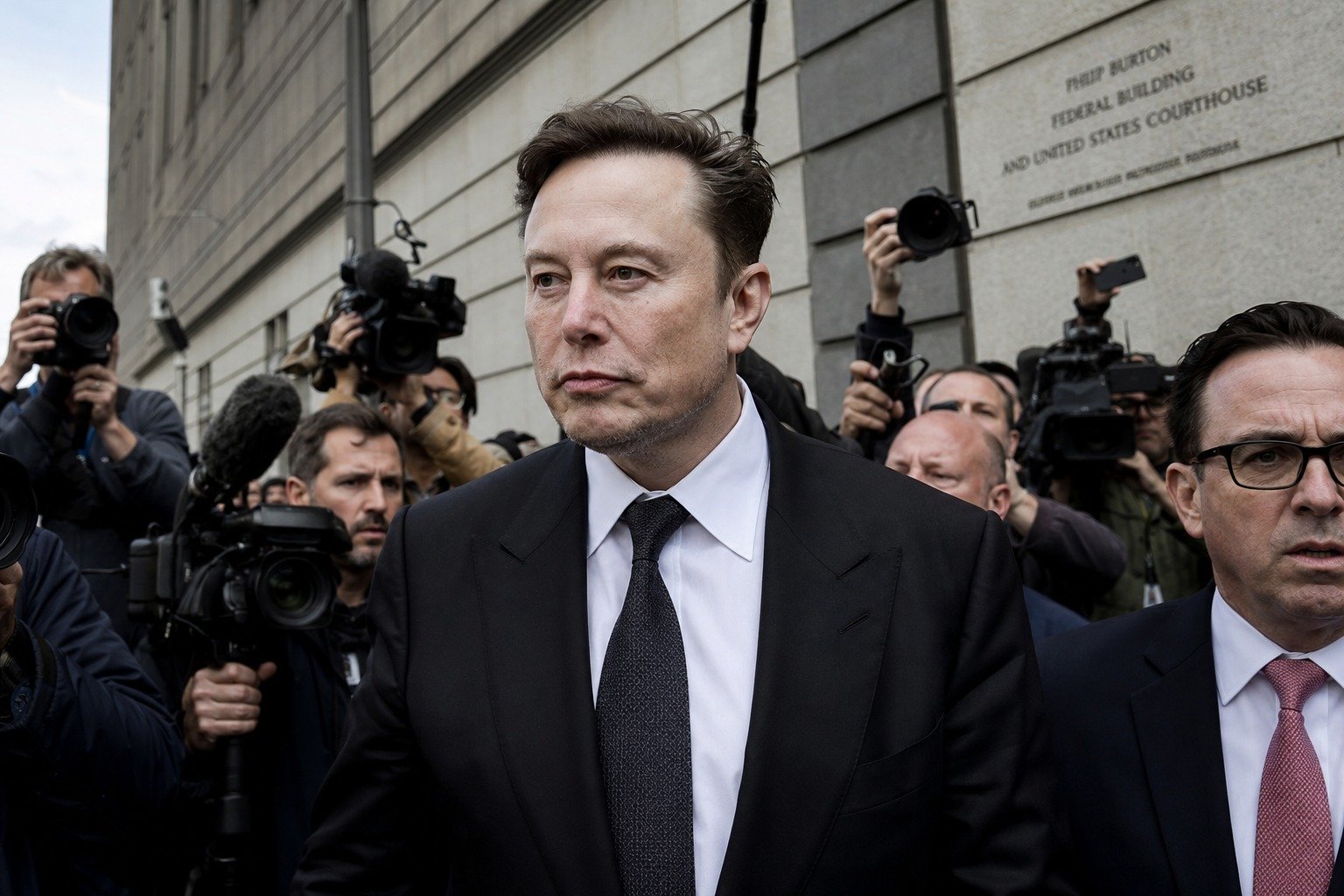
A federal judge has refused to erase the jury verdict that found Elon Musk defrauded Twitter investors, keeping the world’s richest man on the hook for a payout that could top $2.6 billion. On Monday, U.S. District Judge Charles Breyer in San Francisco denied Musk’s bid to throw out the March 2026 verdict, rejected his attempt to break apart the class of investors who sued, and granted prejudgment interest that pushes the potential bill even higher.
What the Judge Decided
Musk’s legal team went to court hoping to make the fraud finding disappear. They asked Judge Breyer to set aside the jury’s verdict entirely and to decertify the investor class, which would have splintered the case into individual claims that are far harder and costlier to pursue. Breyer rejected both requests. The verdict stands, the class stays intact, and the litigation now advances to the damages phase, where the exact amount Musk owes will be determined.
The judge also granted prejudgment interest. That may sound like a technicality, but it is significant: interest can add hundreds of millions of dollars on top of the underlying damages, compounding the financial exposure the longer the case drags on.
How We Got Here
The case traces back to Musk’s turbulent 2022 takeover of Twitter, the platform he later rebranded as X. In March 2026, a jury concluded that Musk misled investors during that period. The verdict marked a rare moment of legal accountability for a figure who has spent years operating as though the usual rules do not apply to him.
Investors argued they were harmed by the way Musk handled disclosures tied to the deal. The jury agreed. Since then, Musk’s lawyers have fought to unwind the outcome — and this week, that effort hit a wall.
What Comes Next
Monday’s ruling does not set a final dollar figure. It clears the path to the damages phase, where the court will decide precisely how much Musk must pay. Early estimates point to a number that could exceed $2.6 billion once damages and interest are tallied. Musk retains the right to appeal, and the fight over the final amount is far from finished.
Still, the direction is unmistakable. A jury found fraud, and a judge has now refused to look away from it. For a defendant with effectively unlimited resources, the case is a reminder that a courtroom does not run on brand loyalty, celebrity, or net worth.
Why It Matters
For everyday investors and workers, the ruling is about more than one billionaire’s balance sheet. It tests whether the people at the very top can be held to the same standard as everyone else when they mislead the public. Accountability for financial fraud protects ordinary shareholders — pension funds, retirement accounts, and small investors — who rely on honest disclosures to make decisions with their savings.
For now, one of the most powerful men on the planet is staring down a multibillion-dollar accountability bill he cannot simply tweet away.
Stay informed on the stories that matter most. Follow Your Daily Updates on Facebook and bookmark yourdailyupdates.news for breaking news and analysis.