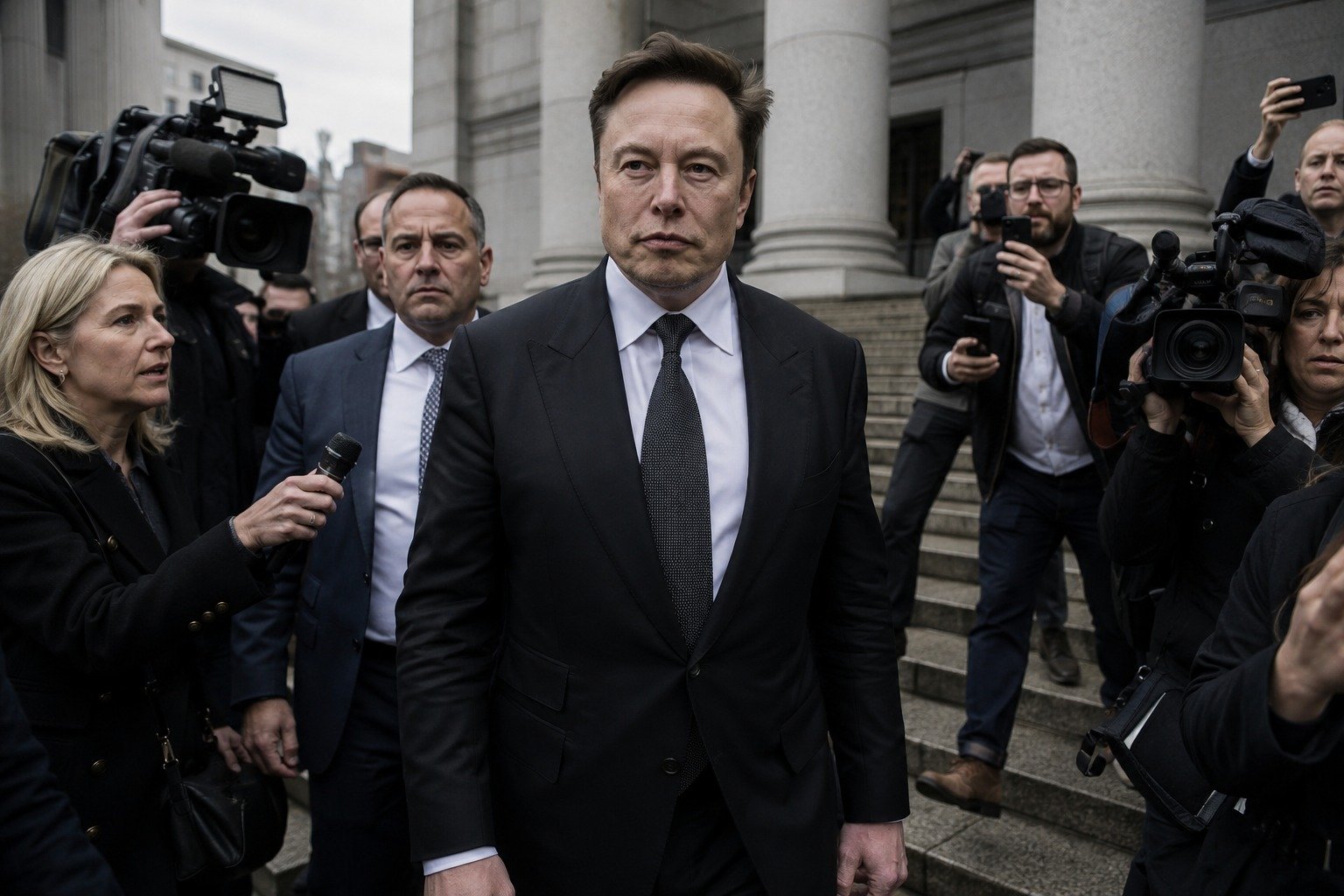
A federal judge has refused to throw out the jury verdict that found Elon Musk defrauded Twitter investors, leaving the world’s richest man on the hook for what shareholders estimate could be roughly $2.6 billion. On Monday, July 6, 2026, U.S. District Judge Charles Breyer in San Francisco denied Musk’s motion to set aside the March verdict, rejecting his bid to escape one of the most consequential findings of investor fraud ever leveled against a sitting tech titan.
How the Case Began
The dispute traces back to Musk’s chaotic 2022 acquisition of Twitter. After signing a binding $44 billion agreement to buy the company, Musk publicly wavered, criticized the platform, and moved to back out of the deal. In March 2026, a jury concluded that this was not just buyer’s remorse. Jurors found that Musk deliberately tried to drive down Twitter’s stock price after he had already committed to the purchase — conduct that harmed the very shareholders who were relying on the deal he had signed.
That verdict was a landmark. It is rare for investors to win a securities-fraud case against a figure of Musk’s wealth and influence, and rarer still for a jury to find that the deception was intentional rather than a matter of sloppy disclosure.
The Judge Says No on Every Count
Musk’s legal team did what well-funded defendants almost always do after a loss: they asked the court to undo it. They urged Judge Breyer to set aside the verdict entirely, arguing the jury got it wrong. As a fallback, they asked him to decertify the class of investors who had banded together to sue, a move that would have splintered the case and blunted its financial impact.
Breyer rejected both requests. He declined to set aside the verdict, declined to decertify the investor class, and went a step further by granting prejudgment interest — an amount that accrues on top of the underlying damages to account for the time investors have waited to be made whole. In practical terms, that ruling does not shrink Musk’s exposure. It grows it.
A $2.6 Billion Question
How much could all of this cost? Investors estimate Musk could owe roughly $2.6 billion once the verdict, the class-wide damages, and the newly granted interest are tallied. For most people that figure is unimaginable. For Musk it is still a staggering sum, and more importantly, it is a court-ordered acknowledgment that his conduct had real victims with a real price tag.
The ruling does not end the fight. Musk retains the right to appeal, and given the amount at stake, an appeal is widely expected. But for now, the verdict stands, the investor class remains intact, and the interest clock is running.
Why It Matters for Ordinary Americans
This case is about more than one billionaire’s balance sheet. The people who sued are the kind of investors whose retirement accounts, pensions, and savings ride on the promise that markets are not rigged by the powerful. When someone signs a binding deal and then works to tank the stock to wriggle out of it, the losses land on everyday shareholders who trusted the system to play fair.
That is why Monday’s ruling resonates well beyond Silicon Valley. It is a rare moment of accountability for a man who often appears to operate above the rules the rest of us live under. A jury said he defrauded investors. A judge just refused to let him erase it. The question now hanging over the appeal is a simple one: should the most powerful people in the country face the same consequences as everyone else when they break the rules?
Stay informed on the stories that matter most. Follow Your Daily Updates on Facebook and bookmark yourdailyupdates.news for breaking news and analysis.