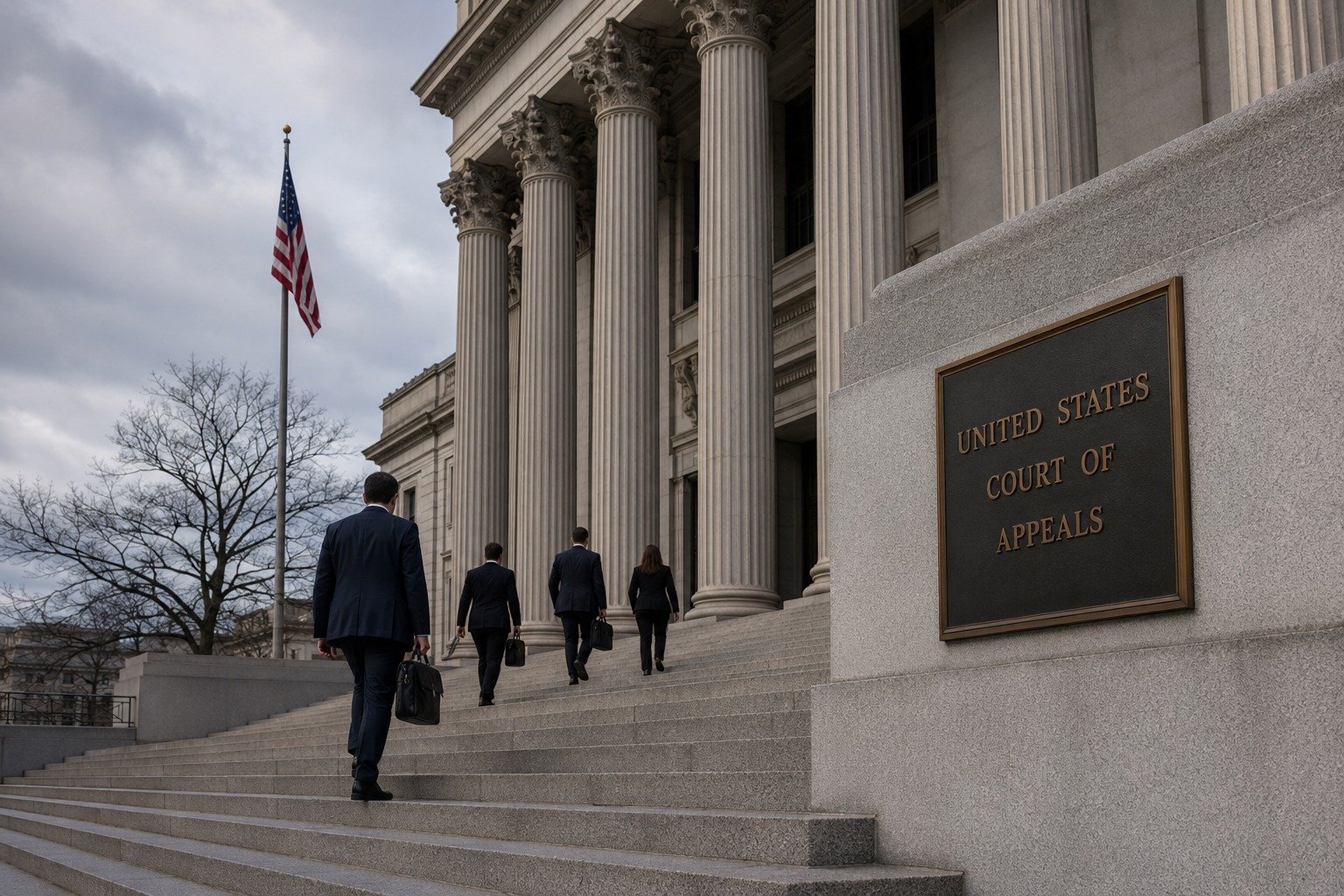
A federal appeals court has blocked the Trump administration from firing 19 career intelligence officers, ruling that the government denied them due process when it moved to push them out of their jobs. The decision preserves the careers of experienced professionals inside the nation’s intelligence community — at least for now — and reaffirms a basic principle: even inside the CIA, the government has to follow fair procedures before it can end someone’s career.
On July 2, 2026, the U.S. Court of Appeals for the Fourth Circuit, in a 2-1 decision, upheld a lower court’s ruling that bars the Central Intelligence Agency and the Office of the Director of National Intelligence (ODNI) from terminating the 19 officers. The officers had been assigned to diversity, equity, inclusion, and accessibility (DEIA) roles. When the administration moved to dismiss them, the court found, it did so without giving them a meaningful chance to appeal their firings or to seek reassignment to other positions.
A ruling about process, not politics
The heart of the decision is procedural. The appeals court did not order the government to keep these officers in DEIA roles permanently, and it did not weigh in on whether such offices should exist. Instead, it focused narrowly on how the firings were carried out. The majority concluded that the officers were entitled to due process — notice of the action against them and a genuine opportunity to respond — and that the administration failed to provide it.
That distinction matters. For workers across the federal government, the ruling underscores that an agency cannot simply erase a career overnight because of the office an employee happened to be assigned to. The court effectively told the administration that if it wants to reassign or separate these officers, it must do so through proper channels, following the rules that protect employees from arbitrary dismissal.
Who the officers are
The 19 individuals at the center of the case are career intelligence officers, many with years of service. They were not political appointees who arrived with a new administration and expected to leave with it. They are the kind of long-tenured professionals the intelligence community relies on for institutional knowledge and continuity — the people who stay through changes in leadership.
Their assignment to DEIA work placed them in the crosshairs of a broader push to dismantle diversity and inclusion programs across the federal government. But the court’s ruling makes clear that being assigned to a disfavored office does not strip an employee of the legal protections every worker is owed.
A check on how fast the administration can move
The decision represents a significant check on how far and how quickly the administration can move against its own workforce. Courts have repeatedly signaled that even aggressive efforts to reshape the federal government have to respect the legal rights of the people employed by it. Here, the Fourth Circuit — the second court to rule in the officers’ favor — reinforced that message.
The 2-1 split reflects that the question was not unanimous, and the administration retains options. It can seek further review, and the underlying dispute over the officers’ status is not fully resolved. The ruling that stands now is about the manner of the firings, not a final judgment on every issue in the case.
What comes next
For now, 19 careers are protected, and the principle that government workers are owed fair process has held up in court. The administration must decide whether to appeal, comply, or attempt to restart the process in a way that satisfies the court’s due-process concerns.
The broader fight over diversity programs and the shape of the federal workforce is far from over. But this ruling draws a clear line: whatever an administration wants to do with its employees, it cannot skip the basic fairness the law requires. That is a standard that protects not just these 19 officers, but every worker who could one day find themselves on the wrong side of a sudden decision from the top.