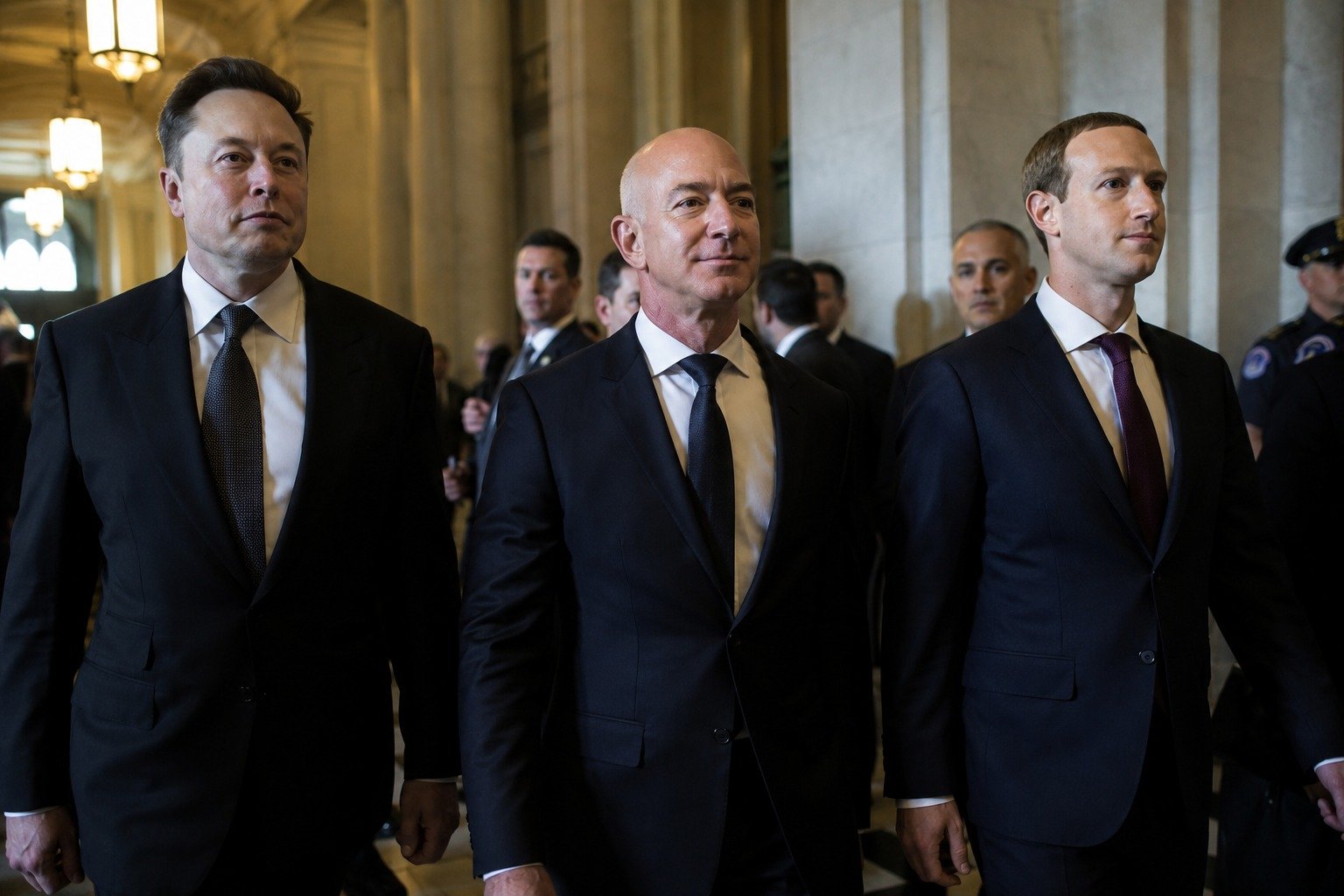
Three of the world’s major democracies have already done what many American voters have long demanded: they banned corporate money from their politics. Canada, France, and South Korea each bar companies from bankrolling candidates and parties, leaving the flow of political cash to individual citizens rather than corporate treasuries. As unlimited spending continues to shape American elections, a simple question is gaining traction: should the United States finally follow their lead?
How Three Democracies Closed the Door on Corporate Cash
In Canada, federal law prohibits corporations and unions from donating to political parties and candidates. Only individual Canadians can contribute, and even then within strict limits. The rules were designed to ensure that a single company or labor organization could not buy outsized influence over the country’s federal politics.
France goes even further. Donations from companies and organizations are banned entirely, and the amount any single person can give is capped at roughly 7,500 euros a year. The French system is built on the principle that campaigns should be funded by citizens, not by institutions with deep pockets and business interests before the government.
South Korea’s Political Fund Act takes a similar stance. Corporate and organizational donations are prohibited outright, and only individuals may contribute to political funds. The law reflects a broader effort to reduce the role of big business in shaping who holds power and how they govern.
Why It Matters
The logic behind all three systems is the same: a democracy should answer to voters, not to whoever writes the biggest check. When a corporation can bankroll a candidate, ordinary people are left shouting from the cheap seats while executives sit at the table. The rules are meant to keep the balance of political influence tilted toward the many rather than the few.
These are not fringe experiments. Canada, France, and South Korea are established democracies with competitive elections and free press. Each concluded that limiting corporate money was compatible with — and even necessary for — a healthy political system.
The American Contrast
The United States sits at the opposite end of the spectrum. Corporate and mega-donor spending flows through Super PACs by the hundreds of millions, and the loudest voices in Washington often belong to whoever spent the most to get there. Since the Supreme Court’s 2010 Citizens United decision opened the door to unlimited independent political spending, the scale of money in American elections has grown dramatically.
Names like Elon Musk, Jeff Bezos, and Mark Zuckerberg carry more weight in politics than entire towns full of regular families. A handful of billionaires and corporate interests can shape entire campaigns, fund advertising blitzes, and influence which issues candidates prioritize. Critics argue this system leaves everyday voters drowned out. Defenders counter that political spending is a form of protected speech.
What This Means for Americans
For ordinary Americans, the stakes are direct. When corporate money dominates campaigns, the policies that follow can tilt toward the interests of major donors rather than working families. The comparison with Canada, France, and South Korea raises an uncomfortable question about whose voice really counts in a democracy that runs on unlimited money.
Other countries looked at the influence of corporate cash and drew a line. Whether America ever will remains an open debate — and one that voters, not just politicians, will help decide.
Stay informed on the stories that matter most. Follow Your Daily Updates on Facebook and bookmark yourdailyupdates.news for breaking news and analysis.