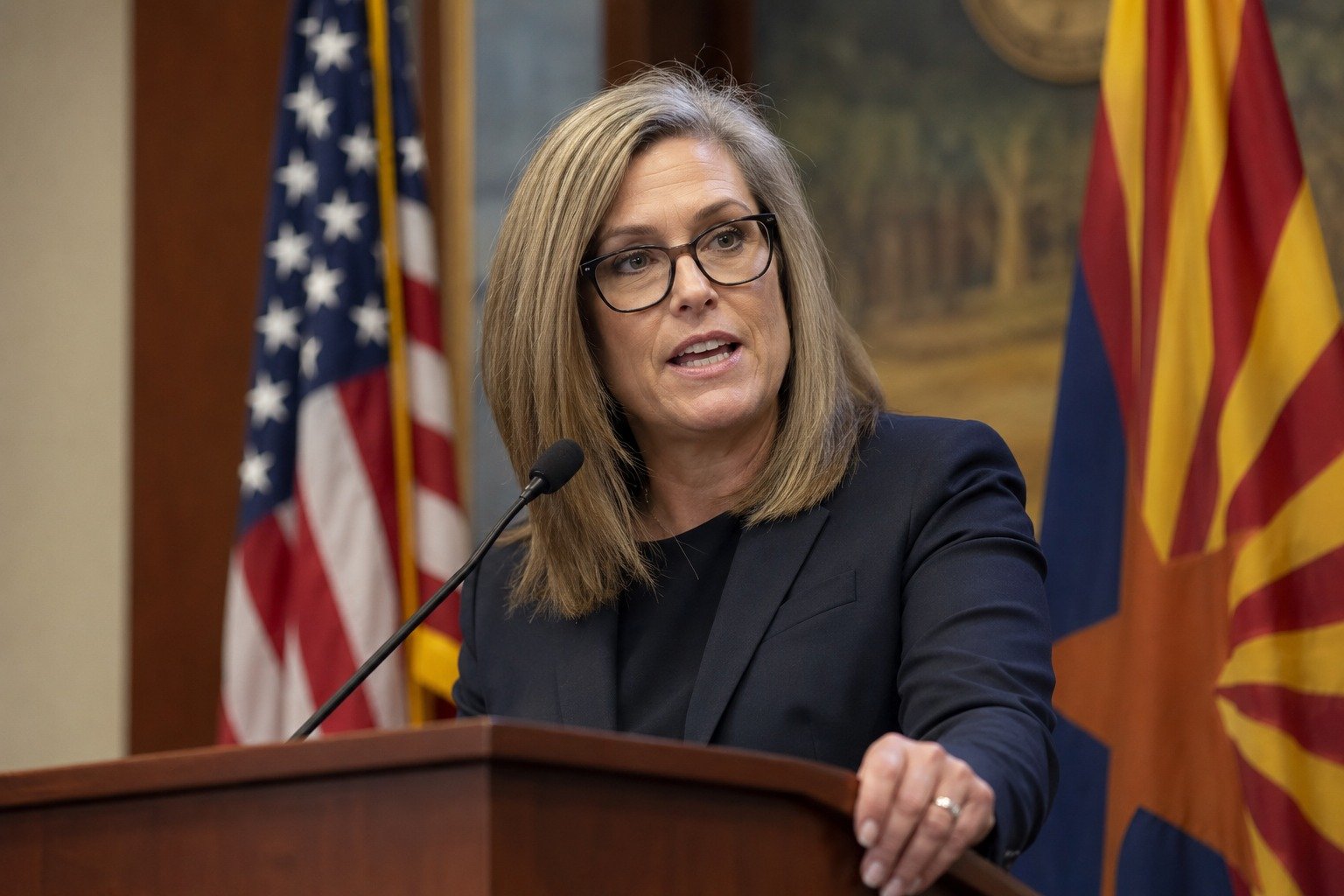
Arizona Governor Katie Hobbs has signed a state budget that puts the brakes on one of the most generous giveaways in the country for the data-center industry. Starting July 1, 2026, the state will impose a three-year moratorium on new sales-tax exemptions for data centers — a pause that runs through June 30, 2029 and is now the longest of its kind anywhere in the United States.
What the Budget Actually Does
The moratorium was tucked into an $18 billion bipartisan budget deal announced by Hobbs and Republican legislative leaders. During the freeze, the Arizona Commerce Authority is barred from accepting any new applications for the state’s data-center sales-tax exemption. Facilities that already hold the exemption are not affected, but no new operators can sign up for the break until the pause lifts in mid-2029.
The incentive itself dates back to 2013, when Arizona began waving away sales taxes on the equipment and construction costs of large data centers in an effort to lure the industry to the state. That break has since grown into a roughly $38 million annual cost to Arizona’s treasury — money that critics say has flowed to some of the wealthiest technology companies on the planet while ordinary residents receive no comparable relief.
Hobbs Wanted More
Notably, the three-year pause is a compromise, not the governor’s first choice. Hobbs had asked the Republican-controlled legislature to repeal the data-center incentive outright. Lawmakers pushed back, and the two sides ultimately settled on a temporary moratorium rather than a permanent end to the program. Even in its scaled-back form, House Minority Leader Oscar De Los Santos noted the freeze is the longest moratorium on data-center subsidies of any state in the nation.
“We’re stopping the data center tax credit for three years, investing in border security, education and water security, and delivering a $1.4 billion tax cut for middle class Arizonans,” Hobbs said in a statement as she signed the budget bill. The governor framed the pause as part of a broader package that redirects state priorities toward services residents actually use.
Why the Industry Is Under Fire
Data centers have become a flashpoint in states across the country, and Arizona is no exception. The sprawling facilities that power the cloud and the artificial-intelligence boom consume enormous amounts of electricity and water — two resources that are already strained in the arid Southwest. As residents watch utility bills climb and worry about long-term water security, the idea of handing tax breaks to the industry driving that demand has grown increasingly unpopular.
Arizona’s move is among the most aggressive state-level responses yet to an industry that, until recently, was courted with open arms. A growing number of governors have begun rolling back or restricting the incentives that once defined the race to attract data centers, signaling a shift in how states weigh the promised jobs and investment against the strain on local infrastructure.
The Debate Ahead
Supporters of the freeze argue it is long overdue — that deep-pocketed corporations should pay their fair share while everyday families absorb the costs of strained water and power grids. Critics counter that the pause could push new development to neighboring states that still offer generous breaks, potentially costing Arizona future investment and jobs.
For Arizonans, the practical stakes are clear. The state is betting that keeping tens of millions of dollars on its books — money that can go toward water, schools, and a middle-class tax cut — is worth more than another round of subsidies for an industry that was arriving regardless. Whether that bet pays off will be measured over the next three years, and the rest of the country is watching to see what happens.
Stay informed on the stories that matter most. Follow Your Daily Updates on Facebook and bookmark yourdailyupdates.news for breaking news and analysis.