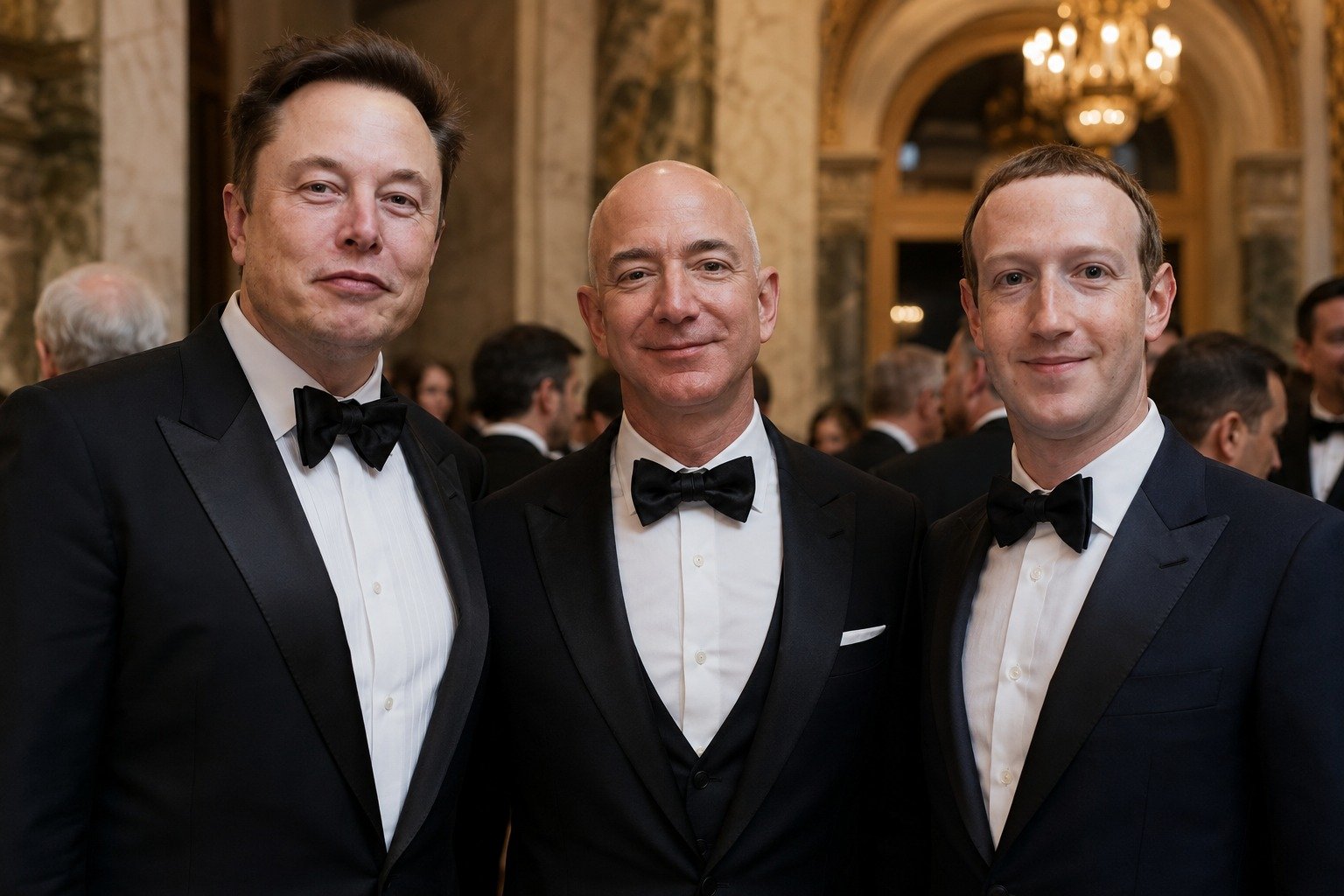
While billionaires pour effectively unlimited money into American elections, three of the world’s leading democracies made a very different choice long ago: they kicked corporate cash out of politics. Canada, France, and South Korea all ban or tightly restrict corporate money in their political systems, and the contrast with the United States has never looked sharper.
How Three Democracies Slammed the Door on Corporate Cash
France went the furthest, and it did so decades ago. In 1995, France outlawed corporate contributions to political campaigns and parties entirely. Companies simply cannot write checks to candidates or party organizations. French campaign finance law also caps how much individuals may give and, crucially, limits how much campaigns are allowed to spend, keeping the loudest wallets from drowning out ordinary voters.
Canada tells a similar story. Corporate and union donations to federal political parties and candidates have been prohibited, leaving only limited contributions from individual citizens. Canada pairs those donation limits with strict spending caps during election periods, so no campaign can simply outspend its way to victory. The system is built on a simple idea: elections should be contests of ideas, not bank balances.
South Korea rounds out the trio. Its political finance rules restrict corporate money and impose limits on both contributions and campaign spending. Across all three countries, the through-line is the same: cap what donors can give, cap what campaigns can spend, and keep corporations from buying outsized influence over who governs.
Meanwhile, in America
The United States runs on the opposite principle. Since the Supreme Court’s 2010 Citizens United decision, corporations and the ultra-wealthy have been free to spend virtually without limit through outside groups and super PACs. Independent expenditures are treated as protected political speech, and the spending caps that other democracies rely on are largely absent from the American system.
The practical result is that a small number of billionaires and corporate interests now play an enormous role in shaping who runs for office, who wins, and which policies ever reach a vote. Working people watching from the sidelines are left wondering whether their voice counts for anything against nine- and ten-figure spending machines.
The Debate
Supporters of an American ban argue the logic is straightforward: democracy should answer to voters, not shareholders. If Canada, France, and South Korea can run competitive, functioning democracies without corporate campaign cash, the argument goes, so can the United States. They see limits on money as a way to level the playing field and restore public trust.
Critics counter that a sweeping ban would collide head-on with the free-speech framework the Supreme Court has built, and that money in politics is notoriously difficult to police. Restrict it in one place, they warn, and it tends to reappear somewhere else. Any serious reform would have to navigate the Constitution as the courts currently read it.
What This Means for Americans
At its core, this is a fight over who politics is actually supposed to serve. When a handful of donors can shape entire elections, the everyday concerns of voters — wages, housing, health care — can get drowned out by whoever spends the most. The experience of other democracies shows that a different path exists. Whether America wants to take it is a question only voters can answer.
Stay informed on the stories that matter most. Follow Your Daily Updates on Facebook and bookmark yourdailyupdates.news for breaking news and analysis.