For 43 days last fall, the longest government shutdown in American history dragged on. And while roughly 670,000 federal workers were furloughed and going without paychecks, members of Congress kept cashing theirs. Now the Senate has moved to make sure that particular imbalance does not repeat itself.
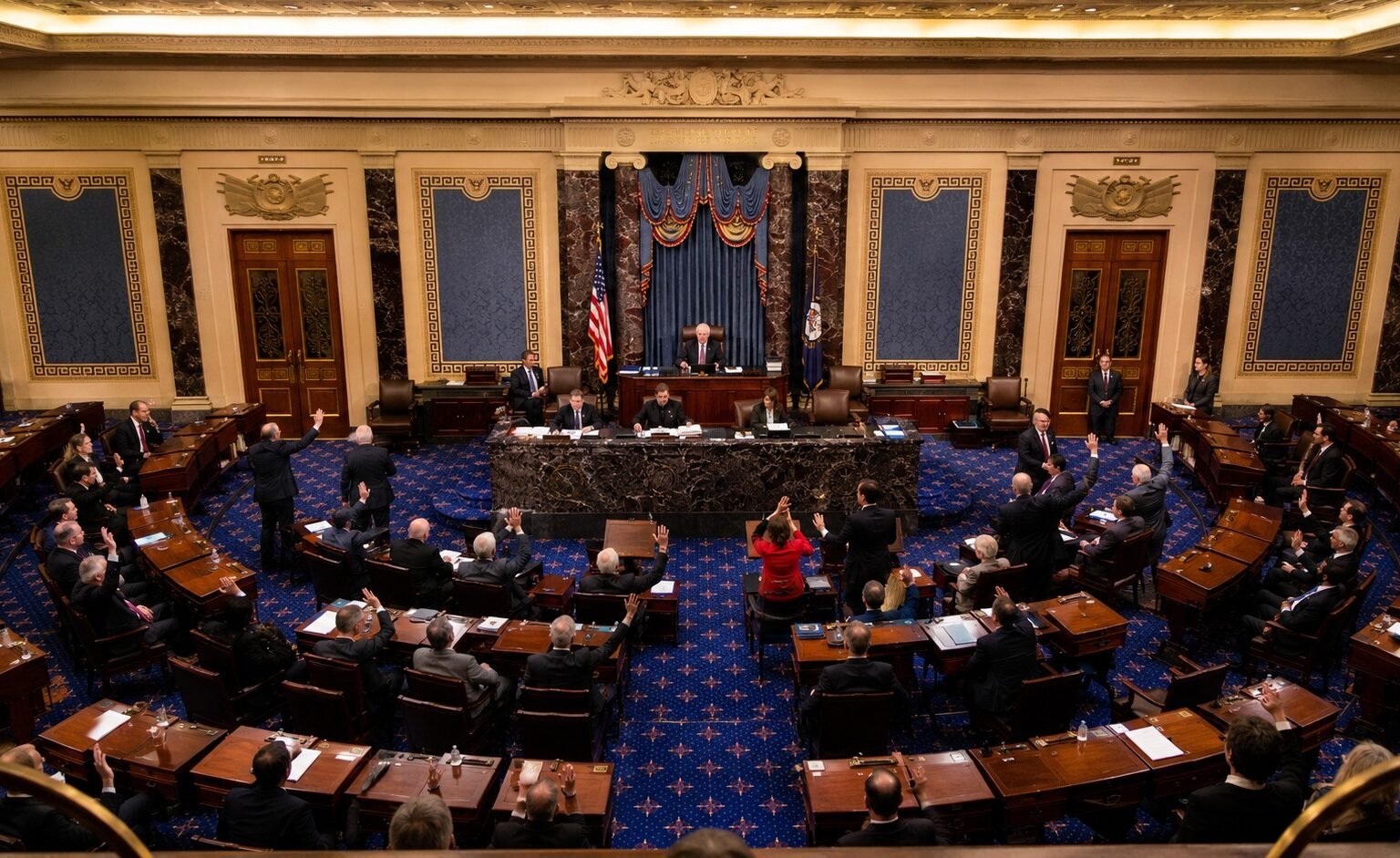
In a striking 99-0 vote, senators advanced and adopted a resolution to withhold their own pay during any future government shutdown. The measure, sponsored by Sen. John Kennedy of Louisiana, directs that a senator’s salary be placed into an escrow account the moment the government shuts down. The money is locked away and out of reach until funding is restored and the government reopens.
A response to a record shutdown
The vote did not happen in a vacuum. It came directly on the heels of the fall 2025 shutdown, which stretched to a record 43 days and became the longest funding lapse in the nation’s history. The standoff was rooted in a dispute over expiring health insurance premium subsidies, and it left an enormous footprint across the federal workforce.
Roughly 670,000 federal employees were furloughed during the shutdown, with many more workers across the country feeling the ripple effects. Air traffic controllers, food inspectors, and countless others were told either to keep working without pay or to stay home without pay. Meanwhile, the lawmakers whose budget impasse triggered the standoff continued to be paid on schedule. That contrast is exactly what Kennedy’s resolution is designed to address.
“Last October, we shut down government for 43 days. That is the longest shutdown in history,” Kennedy noted while making the case for the measure. The argument resonated widely enough that not a single senator voted against it.
What the resolution actually does
It is worth being precise about the mechanics, because the headline number can be misleading. The resolution does not permanently strip senators of their pay. Instead, it escrows that pay. The salary is withheld and set aside during a shutdown, then released to the senator once the government reopens. In practical terms, lawmakers still eventually receive the money. What changes is that they no longer get paid on time while other federal workers go without.
There are two other important limits. First, the rule governs the Senate’s own pay. It does not automatically bind the House of Representatives, which would need to act on its own. Second, the measure is set to take effect after the November midterm elections, meaning it could apply to a potential end-of-year funding fight but is not retroactive to the shutdown that inspired it.
Accountability, or a symbolic gesture?
Supporters frame the resolution as a matter of basic fairness. If a shutdown is painful enough to strip pay from hundreds of thousands of workers, they argue, the people responsible for the budget should feel at least some of that same pressure. A unanimous vote on almost anything in today’s deeply divided Senate is rare, and the fact that this passed 99-0 signals broad agreement that the optics of the last shutdown were untenable.
Critics, however, note that delaying a paycheck is not the same as losing one. Because the money is escrowed rather than forfeited, senators are ultimately made whole. A more forceful reform, they suggest, would tie lawmakers’ pay directly to the fate of the federal workers left stranded, rather than simply postponing the senators’ own deposits by a few weeks.
Still, the vote marks a notable shift in tone. For years, the standard response to a shutdown from Washington was sympathy without consequence. This resolution attaches at least a modest cost to the people who hold the power. The open question now is whether the House follows suit, and whether “we feel your pain” finally comes with a price tag for those who cause the pain in the first place.