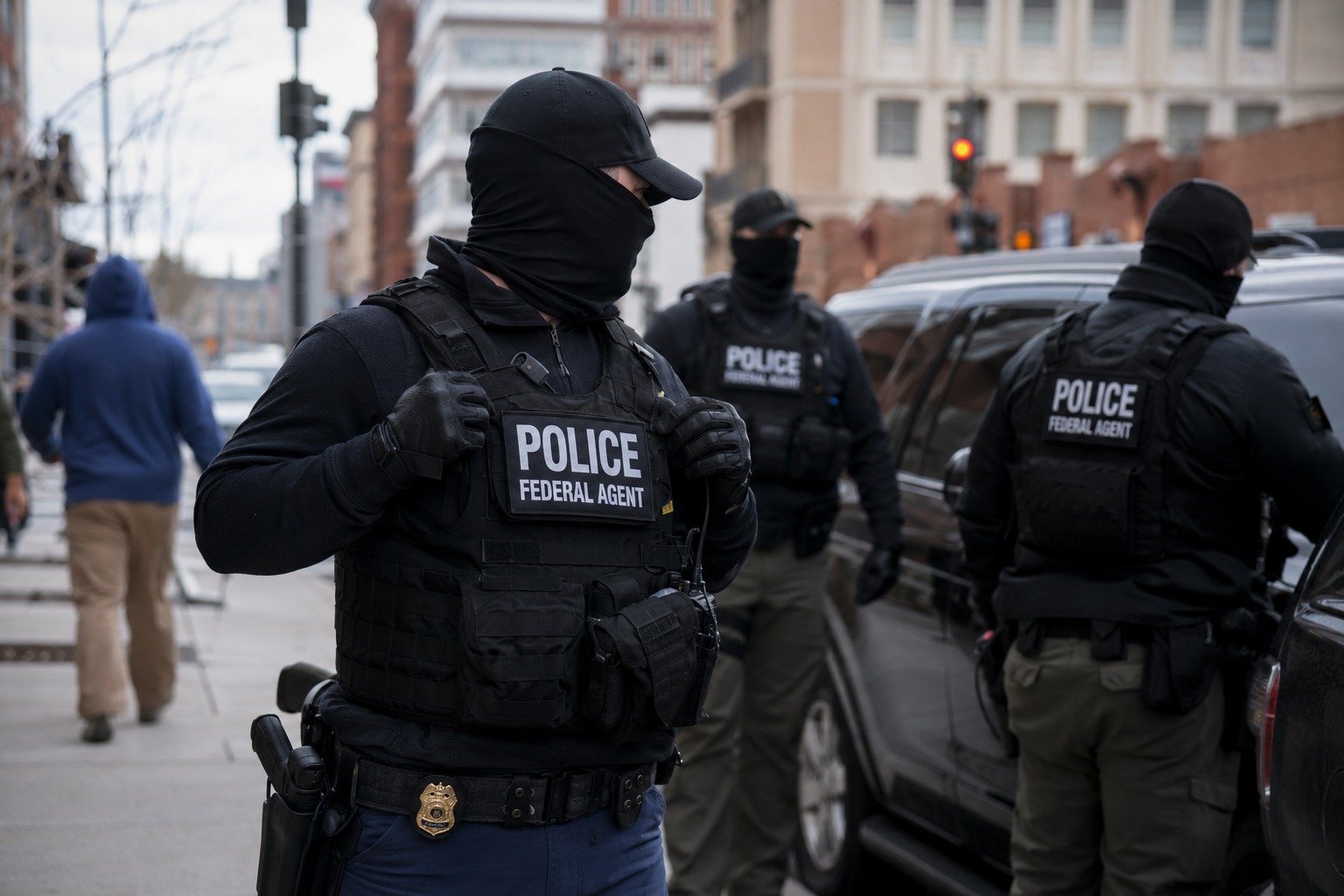
A federal court has stepped in to block Philadelphia from enforcing part of its new “ICE Out” ordinance, siding with the federal government over the city’s effort to strip masks from immigration agents operating on its streets.
On July 2, 2026, U.S. District Judge Chad Kenney granted a preliminary injunction blocking the city from enforcing the mask-ban provisions of the ordinance against federal officers, before the measure could take effect. The ruling came at the request of the Trump administration’s Justice Department, which sued Philadelphia to stop the rule. The development was reported by The Hill and Reuters.
What the ordinance was meant to do
Philadelphia’s “ICE Out” package was written as an accountability and transparency measure. Among its provisions was a rule that would have barred federal immigration agents from concealing their identities with masks while operating inside the city. The goal, supporters said, was straightforward: to ensure that officers who stop, question, and detain residents can actually be identified.
City officials and civil-rights advocates have argued that masked, unidentified agents pulling people off the street is exactly the kind of practice a democracy should be able to check. The concern has grown as videos of plainclothes and masked personnel making immigration arrests have circulated widely, leaving residents unsure whether the people detaining their neighbors are legitimate law enforcement at all.
Why the judge paused it
The Justice Department’s core argument was one of federal supremacy: that a city cannot dictate how federal officers carry out their duties. Judge Kenney agreed, at least for now, to pause enforcement of the mask-ban provisions while the underlying case proceeds.
It is important to be precise about what the court did. This is a preliminary injunction, not a final or permanent ruling. A preliminary injunction freezes a policy in place while litigation continues, based on the court’s early read of who is likely to prevail and whether allowing the rule to take effect could cause harm in the meantime. The larger legal question of whether a city can require that its residents know who is arresting them remains unresolved and is far from over.
The practical effect right now
For the moment, the outcome is clear. Federal immigration agents can continue working Philadelphia’s streets with their faces covered, and the city’s transparency measure is on hold. The provision that would have forced identification is unenforceable against federal officers unless and until the courts decide otherwise.
That leaves an unusual standoff. A city passed a law aimed at making federal enforcement more visible and accountable to the people who live there; the federal government sued to stop it; and a federal judge sided with the federal government before the law could even begin. The case now becomes a test of how far local governments can go in setting the terms for how federal agents behave within their borders.
A bigger fight over accountability
The Philadelphia dispute is part of a broader national argument about masked immigration enforcement. Critics say anonymity erodes public trust and makes it harder to hold officers accountable for misconduct, while the administration maintains that agents face real threats and that local rules cannot override federal authority.
As the case moves forward, the central question raised by the injunction will keep echoing well beyond Philadelphia: should any law enforcement officer be allowed to hide their identity while detaining people?