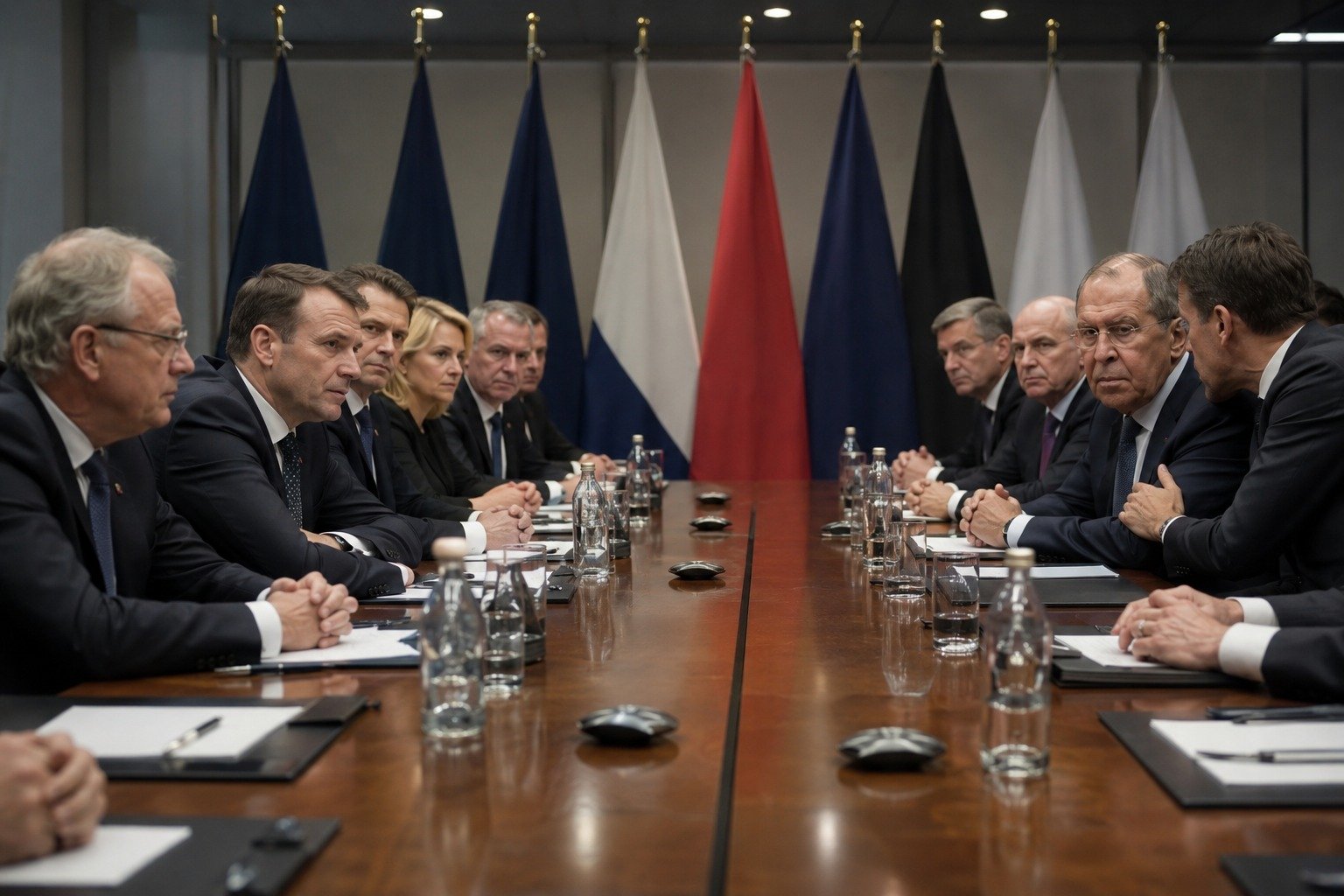
U.S. officials grew alarmed enough during recent ceasefire negotiations that they came to believe Israel might attempt to kill members of Iran’s negotiating team – and quietly moved to warn Tehran, according to a New York Times report published July 2, 2026. The account describes an intelligence assessment, not a confirmed operation, but its implications are striking: American officials reportedly judged the threat credible enough to tip off an adversary.
According to the reporting, U.S. officials feared Israel could target senior Iranian figures involved in the talks, reportedly including Parliament Speaker Mohammad Bagher Ghalibaf and Foreign Minister Abbas Araghchi. Rather than remain silent, Washington is said to have passed an indirect warning to the Iranian side.
What the Report Actually Says
It is worth being precise about what has been reported and what has not. The New York Times account describes what U.S. officials believed and feared was possible during a fragile diplomatic window. It does not state as established fact that Israel ordered, planned, or carried out a strike on any negotiator. This is an intelligence-assessment story – a snapshot of how American officials read the risk at a tense moment – not proof of a plot.
That distinction matters enormously. Intelligence assessments reflect judgments about likelihood and intent, not confirmed events. Officials can act on a fear – including by warning another party – without that fear ever being validated. The reporting captures a decision made under uncertainty, and it should be read that way.
Why It Matters
Negotiators are supposed to be protected while talks are underway. The entire logic of diplomacy depends on the idea that the people sitting at the table can do so without fearing for their lives. The notion that a close U.S. ally might view an adversary’s negotiators as targets – and that American officials reportedly found that possibility credible enough to act on – points to just how fragile the ceasefire process really was.
If the reporting is accurate, it also underscores an uncomfortable reality: the United States and Israel, longtime allies, may not have been fully aligned on how the negotiations should proceed. Washington’s reported decision to warn Tehran – even indirectly – suggests American officials wanted the talks to continue and worried that an act of violence could blow them up entirely.
Reactions and Wider Coverage
The account has since been picked up by Israeli and international outlets including the Times of Israel, Ynet, the Jerusalem Post, and IBTimes. As with any single-sourced intelligence story, the details remain the subject of reporting rather than official confirmation, and the parties named have strong incentives to shape how the episode is understood.
Still, even framed conditionally, the story raises hard questions about who was genuinely working to keep the peace during those negotiations and who may have been undermining it. When the safety of diplomats becomes a live concern, the credibility of the entire process is thrown into doubt.
What This Means for Americans
For ordinary people far from any negotiating table, stories like this can feel abstract. But the stakes are real. Ceasefire talks in the region affect the risk of a wider war, the price of oil, and the possibility of American forces being drawn into another conflict. When the diplomacy meant to prevent escalation is itself reportedly under threat, the margin for a dangerous miscalculation narrows. Americans have a direct interest in negotiations that hold – and in transparency about who is helping them succeed and who is not.
Stay informed on the stories that matter most. Follow Your Daily Updates on Facebook and bookmark yourdailyupdates.news for breaking news and analysis.