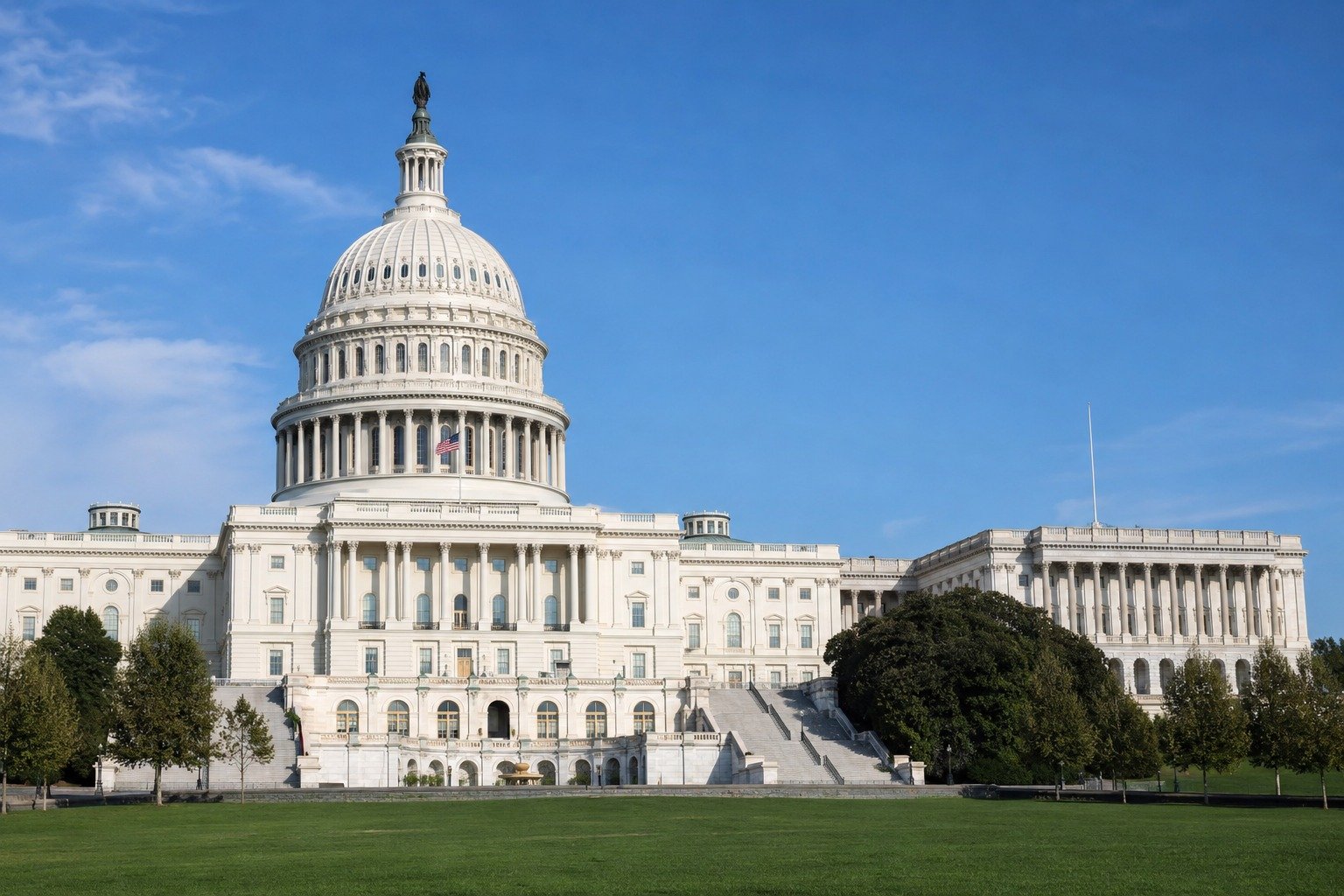
For years, a quiet corner of Washington’s bookkeeping allowed members of Congress to settle workplace sexual-misconduct and harassment complaints without the public ever learning who was involved — often with taxpayer dollars covering the cost. On June 30, 2026, the House of Representatives moved to end that secrecy, voting 420-0 to force those names and dollar figures into the open.
The resolution, introduced by Rep. Thomas Massie (R-KY), directs the House Ethics Committee and the Office of Congressional Workplace Rights to compile and release a consolidated list of current and former members named in taxpayer-funded sexual-misconduct and harassment settlements, along with the total amount of public money paid out. Not a single member voted against it. Rep. Nancy Mace (R-SC) voted “present.”
A Rare, Unanimous Vote for Transparency
Unanimity is a rarity in the modern House, where even routine measures often break sharply along party lines. A 420-0 tally on a question touching directly on members’ own conduct is striking — and it signals a broad, bipartisan recognition that when the public foots the bill, the public is entitled to know the details. For years, advocates for congressional accountability have argued that the settlement process shielded lawmakers from scrutiny while leaving taxpayers in the dark about both the identities of those accused and the sums involved.
The vote does not, on its own, adjudicate any individual case or assign guilt. What it does is remove a layer of institutional secrecy that has persisted for years, requiring the relevant offices to produce a clear, itemized accounting rather than leaving the information buried in accounts most Americans never knew existed.
The History Behind the Settlements
The account historically used to pay out many of these older claims was closed in the wake of the 2018 reforms that followed the #MeToo movement. Before those changes, complaints against lawmakers could be resolved through a process that critics described as opaque and tilted against those who came forward — one that could route payments through public funds without disclosure. The 2018 overhaul curtailed that practice going forward and shifted responsibility for certain awards, but it did not retroactively make public the names or totals tied to settlements that had already been paid.
That gap is precisely what the new resolution targets. By directing the Ethics Committee and the Office of Congressional Workplace Rights to assemble a comprehensive list, the House is reaching back to shine a light on spending that was authorized and disbursed years ago but never fully disclosed. Supporters argue that transparency about past conduct is not about relitigating old disputes, but about honoring a basic principle: taxpayers who financed those settlements have a right to a full accounting.
Why It Matters
The measure lands at a moment of intense public frustration with how Washington polices itself. Disclosure requirements, ethics enforcement, and the use of public money have all drawn scrutiny from voters across the political spectrum. A vote that unites all 420 members who cast a ballot suggests that, whatever their disagreements elsewhere, lawmakers understood the political and ethical stakes of appearing to protect their own.
For workers and advocates who spent years pushing for a more transparent and accountable Congress, the resolution represents a meaningful step. It affirms that the people who staff Capitol Hill — and the constituents whose taxes fund its operations — deserve a system in which misconduct settlements are not quietly absorbed into the federal ledger and forgotten.
The next test will be implementation: how quickly the Ethics Committee and the Office of Congressional Workplace Rights produce the list, how complete it proves to be, and whether the disclosure prompts further reforms. But the message from the June 30 vote is unambiguous. On the question of whether taxpayers deserve to know who used their money to settle misconduct claims — and how much was spent — the House answered with a rare, unified yes.