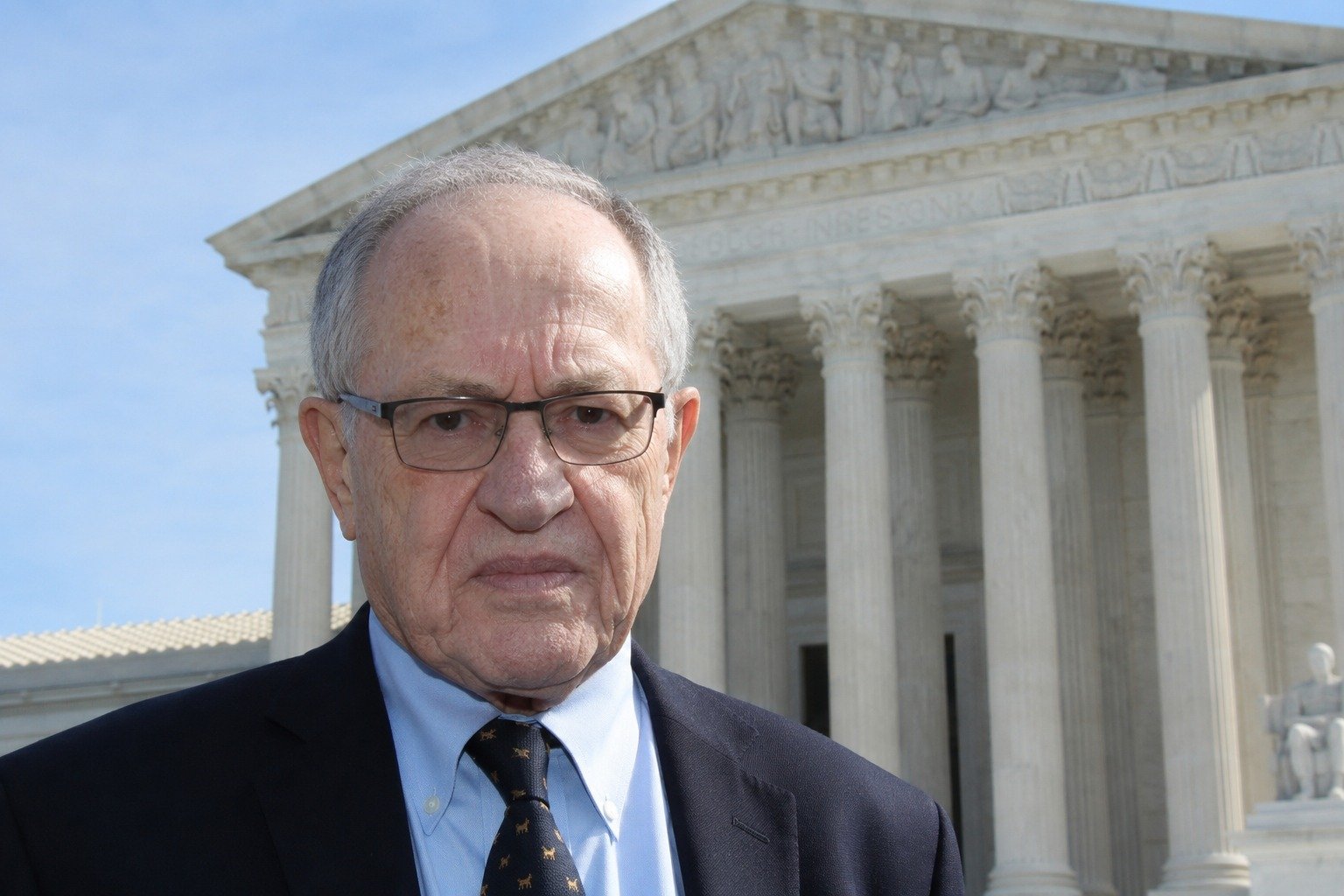
The Supreme Court has closed the book on one of the most closely watched press-freedom fights in years. On June 29, 2026, the justices declined to hear attorney Alan Dershowitz’s $300 million defamation lawsuit against CNN, leaving in place a lower-court ruling that dismissed the case. By refusing to take the appeal, the Court allowed that dismissal to stand — meaning that, as a practical matter, the case is finished.
It is important to be precise about what the Court did and did not do. The justices did not rule on the merits of Dershowitz’s claims. They simply denied certiorari — the discretionary decision not to review a lower court’s judgment. That denial sets no nationwide precedent on its own, but it does end Dershowitz’s road through the federal courts and leaves the dismissal intact.
The origins of the lawsuit
Dershowitz sued CNN over the network’s coverage of President Donald Trump’s first impeachment trial in 2020. Dershowitz, who served on Trump’s defense team, argued that CNN commentators distorted the constitutional arguments he made on the Senate floor and portrayed them in a misleading light. He sought $300 million in damages, casting the coverage as a deliberate misrepresentation of his legal position.
The courts were not persuaded. In August 2025, the 11th U.S. Circuit Court of Appeals dismissed the suit, finding that Dershowitz had not come close to establishing "actual malice" — the demanding legal standard that public figures must meet to win a defamation case. That standard comes from the landmark 1964 Supreme Court decision New York Times v. Sullivan, which requires public figures to prove that a statement was made with knowledge that it was false or with reckless disregard for the truth.
Why Sullivan matters
The Sullivan standard is one of the central pillars of American press freedom. By setting a high bar for public officials and public figures to win defamation suits, it gives reporters, commentators, and ordinary critics breathing room to cover powerful people without the constant threat of being sued into silence over honest mistakes or sharp opinions. Without it, the wealthy and the powerful would find it far easier to use the courts as a weapon against unfavorable coverage.
That is exactly why this case drew attention well beyond Dershowitz himself. A revival of the suit could have chipped away at those protections. Instead, by leaving the dismissal in place, the Court let the existing standard survive another test.
Two justices wanted to revisit the standard
The most consequential part of the order was not the denial itself but the dissent attached to it. Justices Clarence Thomas and Neil Gorsuch dissented from the decision not to hear the case, openly urging their colleagues to reconsider Sullivan. No other justices joined them.
Thomas has argued for years that the actual-malice standard has, in his words, "no relation" to the text, history, or structure of the Constitution. He has repeatedly called for the Court to revisit the doctrine. Gorsuch has taken a somewhat different tack, suggesting that the media landscape of 2026 — dominated by instant digital publishing and viral misinformation — no longer resembles the world of 1964, and that the protections may no longer be calibrated correctly.
For now, those views remain in the minority. The standard that shields journalism cleared yet another challenge. But the message from the bench was unmistakable: there are votes on this Court to make it easier for powerful figures to drag the press into court, and a future case with a different posture could land differently.
What happens next
With the Supreme Court declining to intervene, Dershowitz’s $300 million claim is effectively dead. The 11th Circuit’s dismissal stands, and there is no higher court left to appeal to. The broader fight over Sullivan, however, is far from over. Press-freedom advocates will be watching closely for the next defamation case that reaches the justices — because two of them have now signaled, in writing, that they are ready to rethink the rules that have protected American journalism for more than six decades.