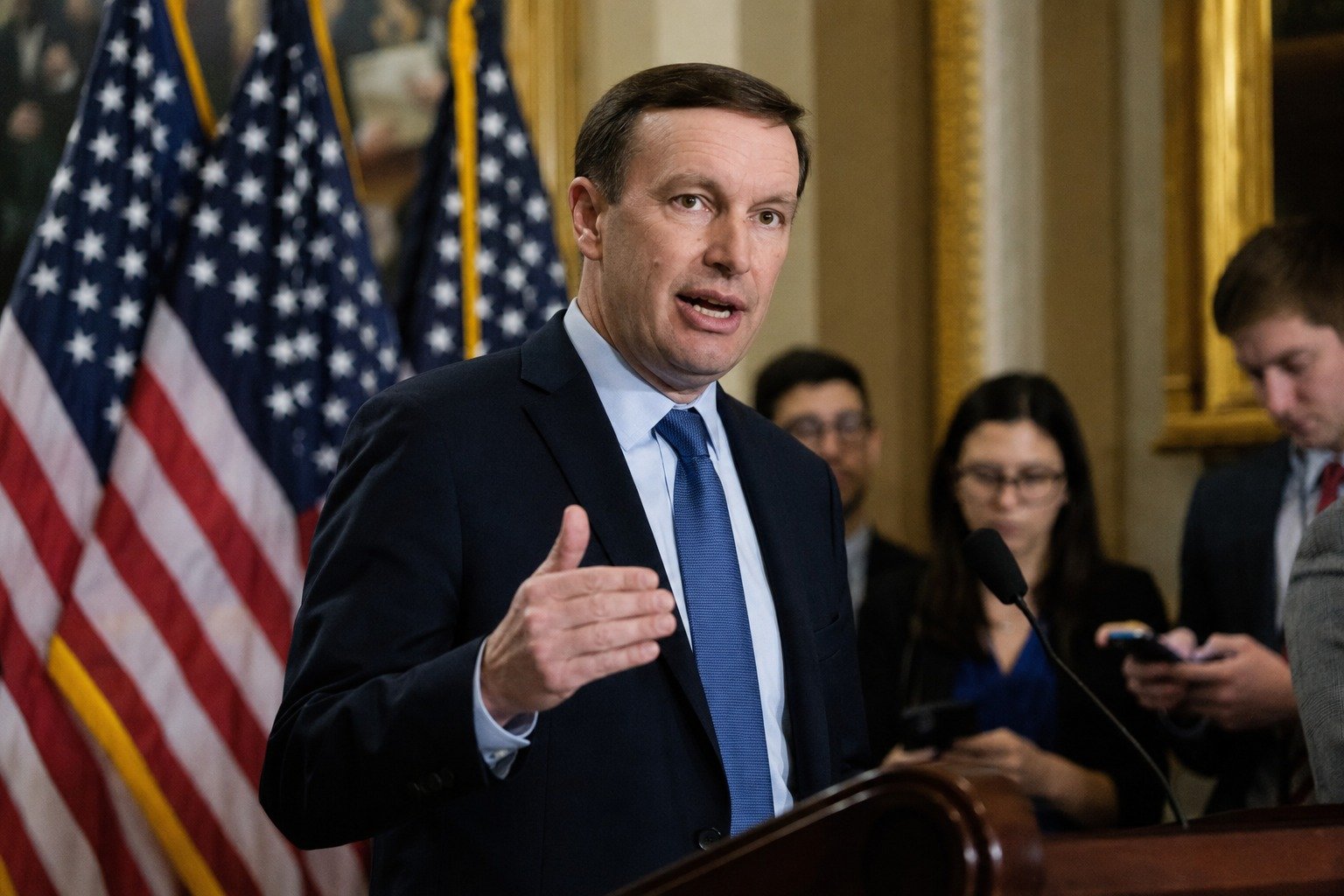
Senator Chris Murphy of Connecticut has introduced the Living Wage For All Act, a sweeping bill that would raise the federal minimum wage from $7.25 an hour to $25 an hour. It would be the largest federal minimum wage increase in American history, and it puts the question of what a fair day’s pay is worth back at the center of the national conversation.
A Floor That Hasn’t Moved Since 2009
The federal minimum wage has been frozen at $7.25 an hour since 2009. In the years since, the cost of rent, groceries, gas, child care, and health care has climbed steadily, while the lowest-paid workers in the country have seen no federal raise at all. For a full-time worker, $7.25 an hour adds up to roughly $15,000 a year before taxes, a figure that falls below the poverty line for a family.
Many states and cities have already moved ahead on their own, setting local minimums well above the federal floor. But tens of millions of workers still live in places where $7.25 remains the law. Murphy’s bill is designed to close that gap and set a single national standard that reflects the actual cost of living.
How the $25 Wage Would Phase In
The bill does not flip a switch to $25 overnight. It phases the increase in over a period of years. In the first year, the minimum would rise from $7.25 to $12 an hour. From there, the wage would continue climbing on a set schedule until it reaches the full $25 floor.
Large corporate employers would be required to reach the $25 wage by 2032. Smaller businesses would be given more time, with a deadline of 2039 to comply. After the full wage takes effect, the bill would tie future increases to the economy automatically, pegging the minimum to two-thirds of the national median wage so that it never again falls as far behind as it has since 2009.
The legislation would also eliminate the subminimum wages that currently allow employers to pay tipped workers, young workers, and workers with disabilities far less than the standard minimum. A companion measure in the House is being led by Representative Delia Ramirez of Illinois, and the Senate bill is co-sponsored by Senators Richard Blumenthal, Andy Kim, and Ron Wyden.
The Debate Ahead
Supporters argue that a living wage is long overdue and that the phased timeline gives businesses years to adjust. They point to the steady erosion of the $7.25 floor’s buying power as proof that the current system has failed the workers it was meant to protect.
Business groups are already lining up against the bill, warning about costs for small employers. And in a sharply divided Congress, the proposal faces a steep climb. It is important to be clear about where things stand: this is a newly introduced bill, not a new law. It still has to pass both chambers before any worker sees a raise.
What This Means for Americans
For the millions of Americans still earning at or near $7.25 an hour, the stakes could not be more direct. A phased path to $25 would mean the difference between scraping by and being able to cover rent, food, and basic needs without working multiple jobs. Whether or not the bill becomes law, it forces a debate that affects paychecks at every kitchen table in the country.
Stay informed on the stories that matter most. Follow Your Daily Updates on Facebook and bookmark yourdailyupdates.news for breaking news and analysis.