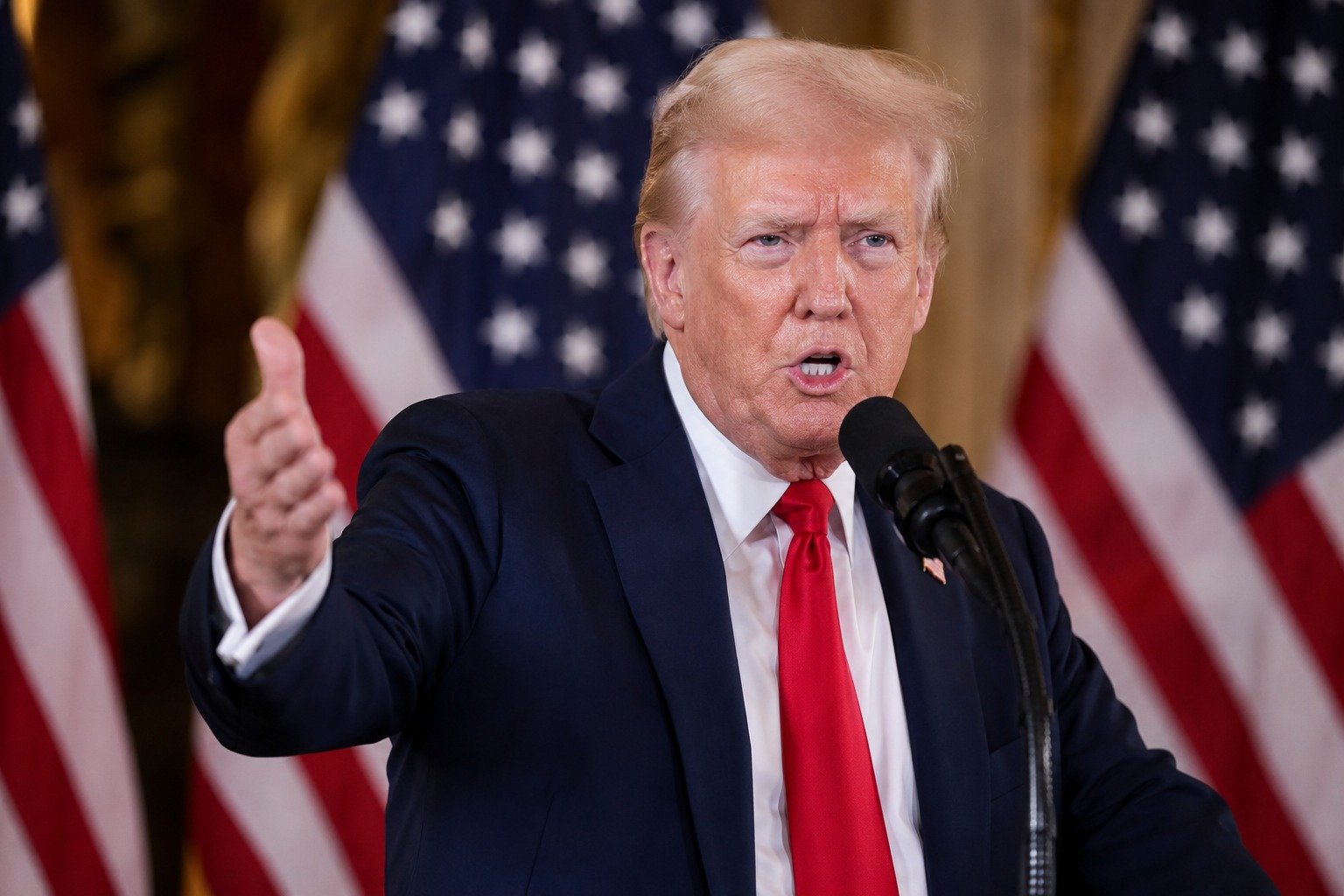
President Donald Trump has floated a sweeping new idea: eliminate property taxes entirely for homeowners 65 and older who own their homes outright. The proposal, pitched as relief for seniors on fixed incomes, has quickly become a talking point — but it remains exactly that, a proposal, with no bill written and major questions about whether it could ever actually take effect.
For millions of older Americans, the appeal is obvious. After decades of mortgage payments, many seniors finally own their homes free and clear — only to face annual property tax bills that keep climbing. For retirees living on Social Security and modest savings, those bills can be the single biggest threat to staying in a home they have already paid off. A zero-tax bill would, on paper, be a genuine lifeline.
A Proposal, Not a Law
Here is the critical context that often gets lost in the headlines: nothing has been passed. There is no bill on the table, no vote scheduled, and no mechanism yet proposed for how it would work. It is an idea being floated, and it deserves to be weighed as one.
More importantly, property taxes are not collected by the federal government at all. They are levied by states, counties, cities, and towns. That money is the backbone of local budgets — it funds public schools, fire departments, police, road repairs, libraries, and emergency services. A president cannot simply switch off a tax that Washington does not impose. That structural reality is why this idea faces serious skepticism among policy experts on both sides of the aisle.
The Math Problem
Even setting aside the question of federal authority, there is a budget problem. Local governments lean heavily on property taxes to keep the lights on. If a large share of senior homeowners stopped paying, that revenue would have to come from somewhere else.
In practice, that means one of three things: other taxpayers — including younger families and renters — would have to make up the difference, local services like schools and fire department would face cuts, or some combination of both. Who ultimately absorbs the cost is the part of this proposal that no one has answered. And in communities with large retiree populations, the gap could be enormous.
The Senior Tax Break That Did Pass
It is worth separating this proposal from the one senior tax change that has actually become law. The OBBB Act created a temporary $6,000 income-tax deduction for people 65 and over, running from 2025 through 2028. That is a federal income-tax break — real, on the books, and time-limited. It is not the same thing as wiping out local property taxes, and conflating the two has caused real confusion about what seniors are actually entitled to right now.
What This Means for Americans
For older homeowners, the stakes are personal. Property tax relief could mean the difference between aging in place and being forced to sell. But for everyone else — the working families, the renters, the parents of school-age kids — the question is who pays when a major source of local funding disappears. A policy that helps one group can quietly shift the burden onto another, and the details determine everything.
That is exactly why this is worth a real public conversation rather than a quick reaction. The idea sounds simple. The mechanics are anything but.
Stay informed on the stories that matter most. Follow Your Daily Updates on Facebook and bookmark yourdailyupdates.news for breaking news and analysis.