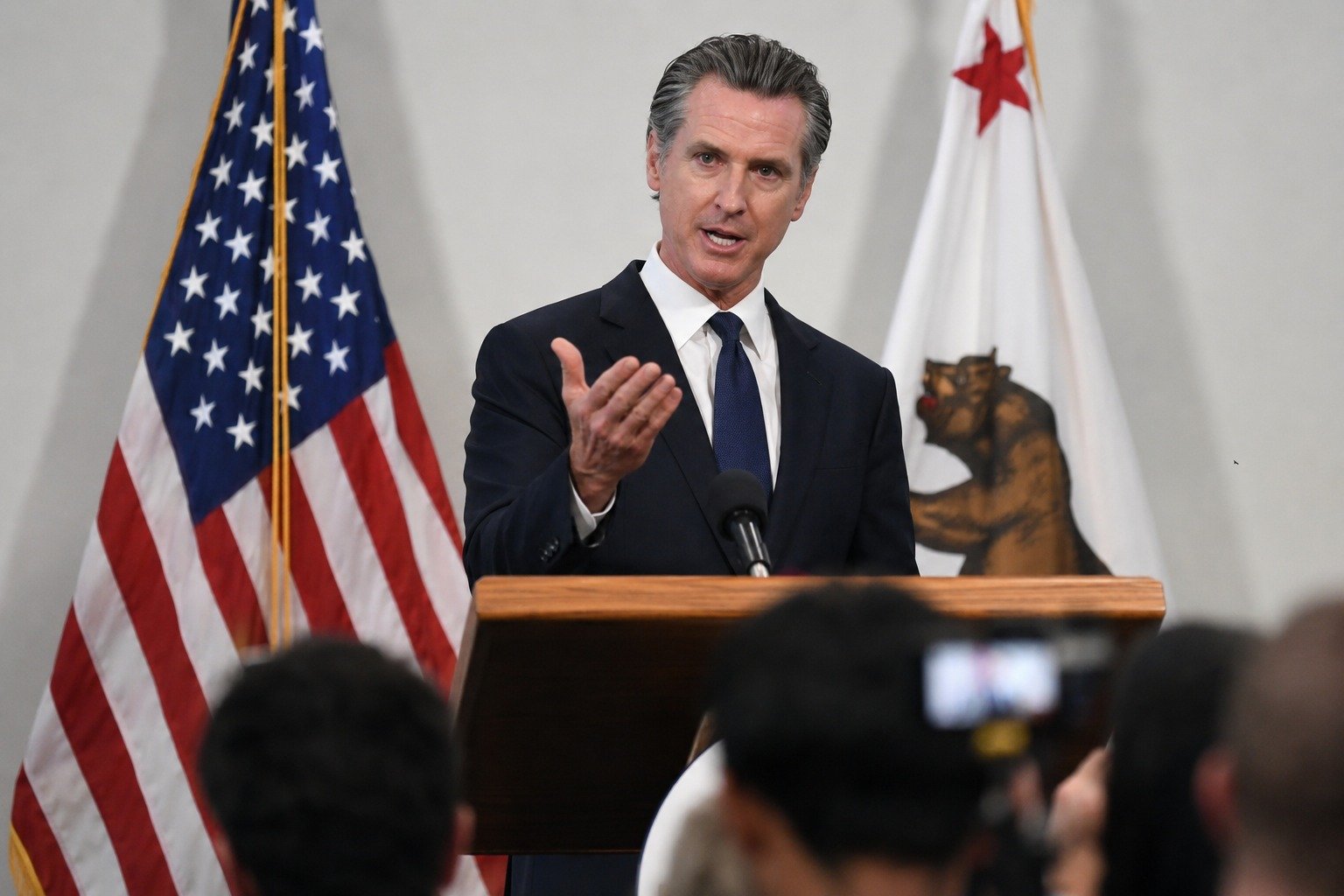
California has locked in funding for two of the most ambitious family programs in the country. The 2026-27 state budget agreement, announced June 26 by Governor Gavin Newsom alongside Senator Monique Limon and Assembly Speaker Robert Rivas, protects universal free school meals for every public school student and continues funding for universal pre-school and transitional kindergarten.
The timing matters. Across the country, states facing tight budgets have been trimming or threatening exactly these kinds of programs. California went the other direction, choosing to keep feeding kids and funding early education rather than treating them as line items to cut.
Free Meals for Every Student, No Strings Attached
California’s universal free school meals program is not new. The state has run it since 2022, becoming one of the first in the nation to guarantee free breakfast and lunch to all public school students regardless of family income. It now serves roughly a billion meals a year. What the new budget does is protect that program and keep the money flowing, rather than scaling it back.
The design is deliberately simple. There are no income forms to fill out, no eligibility thresholds to clear, and no stigma attached to grabbing a tray in the cafeteria line. Every student eats, whether their family is wealthy, struggling, or somewhere in between. Supporters of the universal approach argue that this is precisely why it works: when meals are free for everyone, the kids who need them most are not singled out or left behind by paperwork.
Universal Pre-School and Transitional Kindergarten
The budget deal also funds the state’s continued push toward universal pre-school and transitional kindergarten – the effort to give every four-year-old in California a free year of early education before they begin kindergarten. Transitional kindergarten has been expanding across the state in recent years, and the new agreement keeps that expansion funded.
Early childhood education research has long pointed to the outsized impact of a child’s first few years. Kids who enter kindergarten already familiar with a classroom, with reading, and with structured learning tend to start ahead and stay ahead. By funding a free early year for all families, California is betting that the earliest years are where public investment pays off most.
The Debate Over Cost
Not everyone is cheering. Critics point to the price tag in a year when California, like many states, is managing a constrained budget. Universal programs cost more than means-tested ones precisely because they serve everyone, including families who could afford to pay. The argument from skeptics is that scarce dollars should be targeted at the neediest rather than spread across all.
Newsom, Limon, and Rivas have framed the spending differently. In their view, feeding children and educating them early are not optional extras to be trimmed when money is tight – they are basic obligations the state owes its youngest residents. Keeping the programs whole through a difficult budget cycle is, by that logic, exactly the test of whether a government means what it says about prioritizing families.
What This Means for Families
For millions of California parents, the practical effect is straightforward. Their kids will keep eating free breakfast and lunch at school next year, and four-year-olds will keep having access to a free year of early education. No new forms, no new fees, no scramble to prove they qualify. The help is simply there – which, for a working family stretching every paycheck, is the difference between one more bill and one less worry.
Stay informed on the stories that matter most. Follow Your Daily Updates on Facebook and bookmark yourdailyupdates.news for breaking news and analysis.