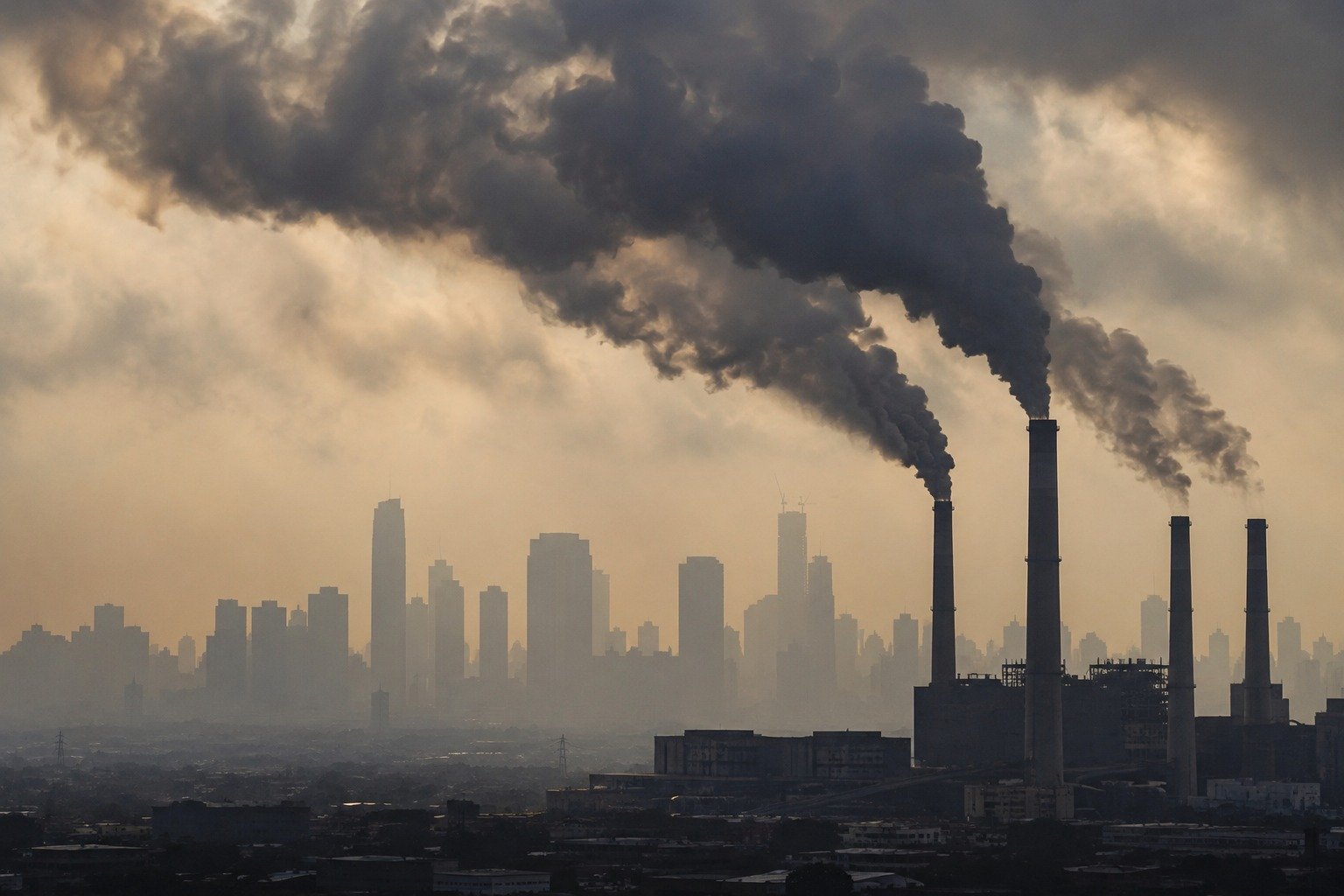
A federal appeals court has blocked the Trump administration’s effort to dismantle one of the country’s most important clean-air protections. On Friday, the U.S. Court of Appeals for the D.C. Circuit ruled 3-0 to reject the Trump EPA’s bid to scrap a 2024 rule that tightened the national limit on fine soot pollution, leaving the stricter, public-health-protective standard firmly in place.
What the Court Decided
The unanimous three-judge panel turned away the Environmental Protection Agency’s request to vacate the rule that lowered the allowable annual amount of fine particulate matter — known as PM2.5, or soot — from 12 micrograms per cubic meter down to 9. That tighter standard, finalized in 2024, was designed to force down pollution levels that scientists have long warned are dangerous even at concentrations once considered acceptable.
What makes the decision especially striking is who was on which side. The Trump EPA reversed the federal government’s own legal position, asking the court to throw out a rule the agency itself had previously defended. The judges declined, upholding the stricter limit across the board.
Why the Soot Standard Matters
Fine soot is among the most dangerous forms of air pollution because of how small the particles are. Measuring 2.5 microns or less in diameter — far thinner than a human hair — they slip past the body’s natural defenses, lodging deep in the lungs and passing into the bloodstream. Once there, they have been linked to asthma attacks, heart attacks, strokes, and premature death.
The burden does not fall evenly. The heaviest exposure tends to land on children, the elderly, and people living closest to highways, ports, and industrial facilities — communities that are often lower-income and have historically borne the worst of the nation’s pollution. Public-health researchers have estimated that tightening the annual standard to 9 micrograms could prevent thousands of premature deaths each year and avoid hundreds of thousands of lost workdays and asthma episodes.
A Reversal That Drew Scrutiny
The fight reached the D.C. Circuit after the rule was challenged, and the Trump EPA used the opening to switch positions and side with those seeking to undo it. Critics argued that vacating the standard would have handed a win to polluters at the direct expense of the people forced to breathe dirtier air. Industry groups had pushed back on the tighter limit, warning of compliance costs for power plants, manufacturers, and other major emitters.
By rejecting the bid unanimously, the panel signaled that the agency could not simply walk away from a finalized public-health rule because a new administration preferred a weaker one. For now, the 9-microgram standard remains the law of the land.
What This Means for Americans
For ordinary families, the ruling is more than a legal technicality. It means the tighter cap on the soot in the air stays on the books — a protection that matters most for the kid with asthma, the grandparent with a heart condition, and the neighborhoods that sit in the shadow of smokestacks and freeways. The decision keeps in place a standard built to reduce hospital visits and save lives, and it pushes back on an effort to roll those safeguards back to a looser, older limit.
The broader question now is whether the standard holds through future legal and political challenges. But Friday’s outcome was clear: the court chose stronger clean-air protections over a weaker rule that polluters had hoped to bring back.
Stay informed on the stories that matter most. Follow Your Daily Updates on Facebook and bookmark yourdailyupdates.news for breaking news and analysis.