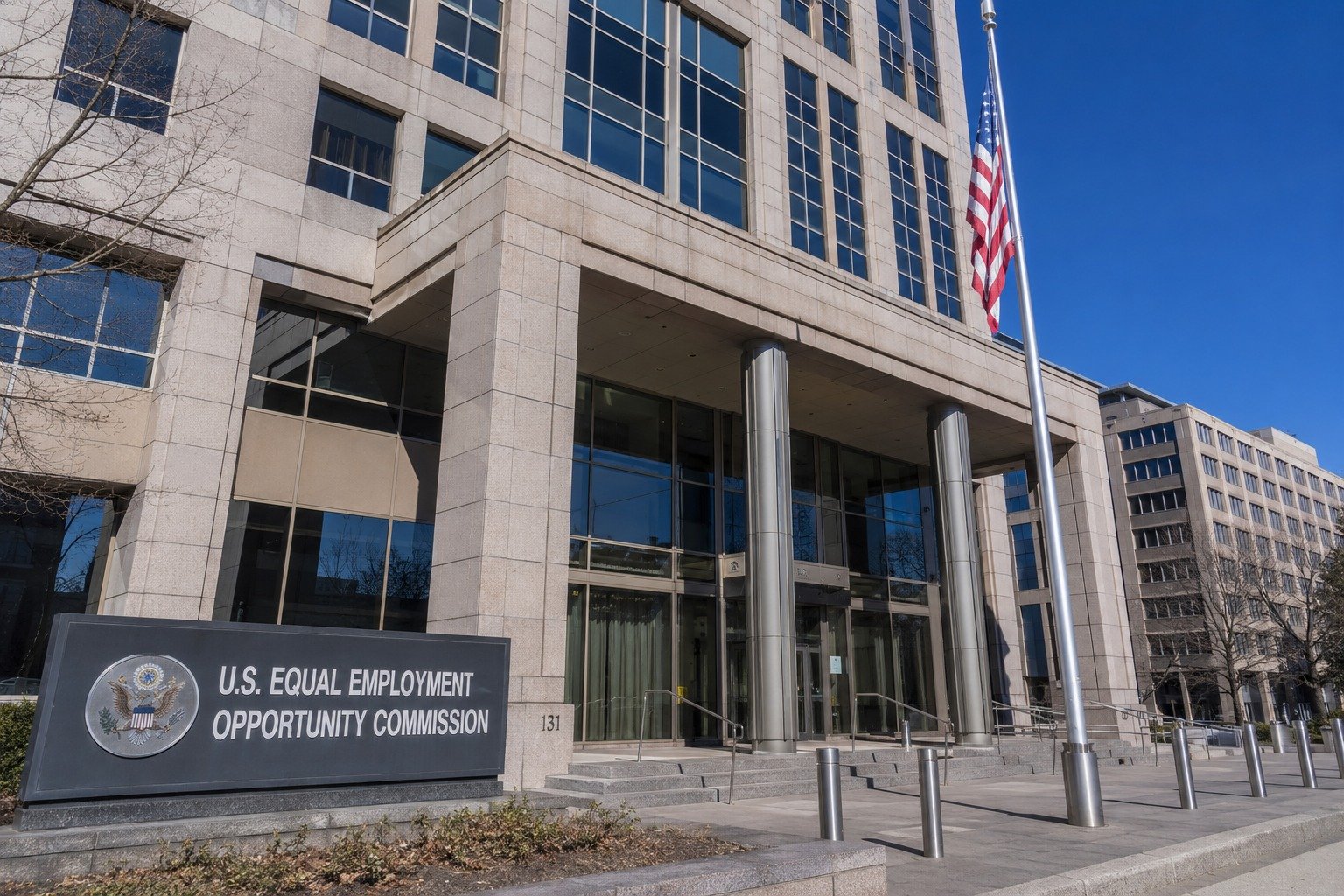
The federal agency created to shield American workers from discrimination is being steered in a new direction under the Trump administration — one that civil rights advocates warn could weaken protections that took decades to build.
On May 27, 2026, Andrea Lucas, the Trump-appointed chair of the U.S. Equal Employment Opportunity Commission (EEOC), proposed rescinding a long-standing federal regulation known as “Affirmative Action Appropriate Under Title VII.” For decades, the rule functioned as a regulatory guardrail. Removing it would clear away a barrier that has historically made it more difficult to bring workplace discrimination claims on behalf of white men.
What the rule did
Title VII of the Civil Rights Act of 1964 prohibits employment discrimination on the basis of race, color, religion, sex, and national origin. The “Affirmative Action Appropriate Under Title VII” regulation provided a framework around voluntary affirmative action efforts by employers, and in practice it shaped how certain discrimination claims could be advanced. Critics of the rescission argue that scrapping it is less about neutral “equal treatment” and more about reorienting the agency’s enforcement priorities.
Lucas’s proposal does not exist in isolation. It arrives alongside a broader pattern of EEOC activity that has drawn scrutiny from legal observers and worker advocates alike.
A lawsuit and an open invitation
In May 2026, the EEOC filed suit in EEOC v. The New York Times on behalf of a white male editor who alleged discrimination. The case marked a notable shift in the kinds of claims the agency has chosen to pursue. Beyond the courtroom, Lucas has publicly solicited complaints from white male employees, signaling that the commission is actively seeking out such cases rather than simply responding to them.
Taken together — the proposed rule rescission, the high-profile lawsuit, and the public call for complaints — the moves represent a coordinated effort to retool how the nation’s lead anti-discrimination agency operates.
Why advocates are alarmed
For civil rights groups, the concern is one of priorities and proportion. The EEOC was established in the wake of the Civil Rights Act to protect groups that have faced systemic barriers in hiring, pay, and advancement — particularly women and workers of color. Redirecting the agency’s energy toward a demographic that has not historically faced widespread structural disadvantage in the workplace, they argue, risks hollowing out the very mission the commission was built to serve.
“This is a fundamental reframing of what the agency is for,” one advocate noted, capturing a sentiment shared widely among groups that monitor workplace equity. Supporters of the changes counter that the law protects all workers equally and that the agency should pursue any credible claim regardless of who brings it.
What happens next
The proposal to rescind the rule is just that — a proposal. Regulatory changes of this kind typically move through a public comment period before they can be finalized, meaning the rule is not yet erased from the books. But the direction is unmistakable, and the lawsuit against The New York Times is already proceeding.
As reported by The Intercept, HR Dive, and NPR, the developments mark one of the most significant shifts in EEOC enforcement philosophy in recent memory. Whether the rule rescission survives the regulatory process — and how the courts ultimately treat the agency’s new wave of cases — will shape the landscape of workplace discrimination law for years to come.
For now, the question looming over the agency is a basic one: who should the nation’s civil rights enforcers be working hardest to protect?