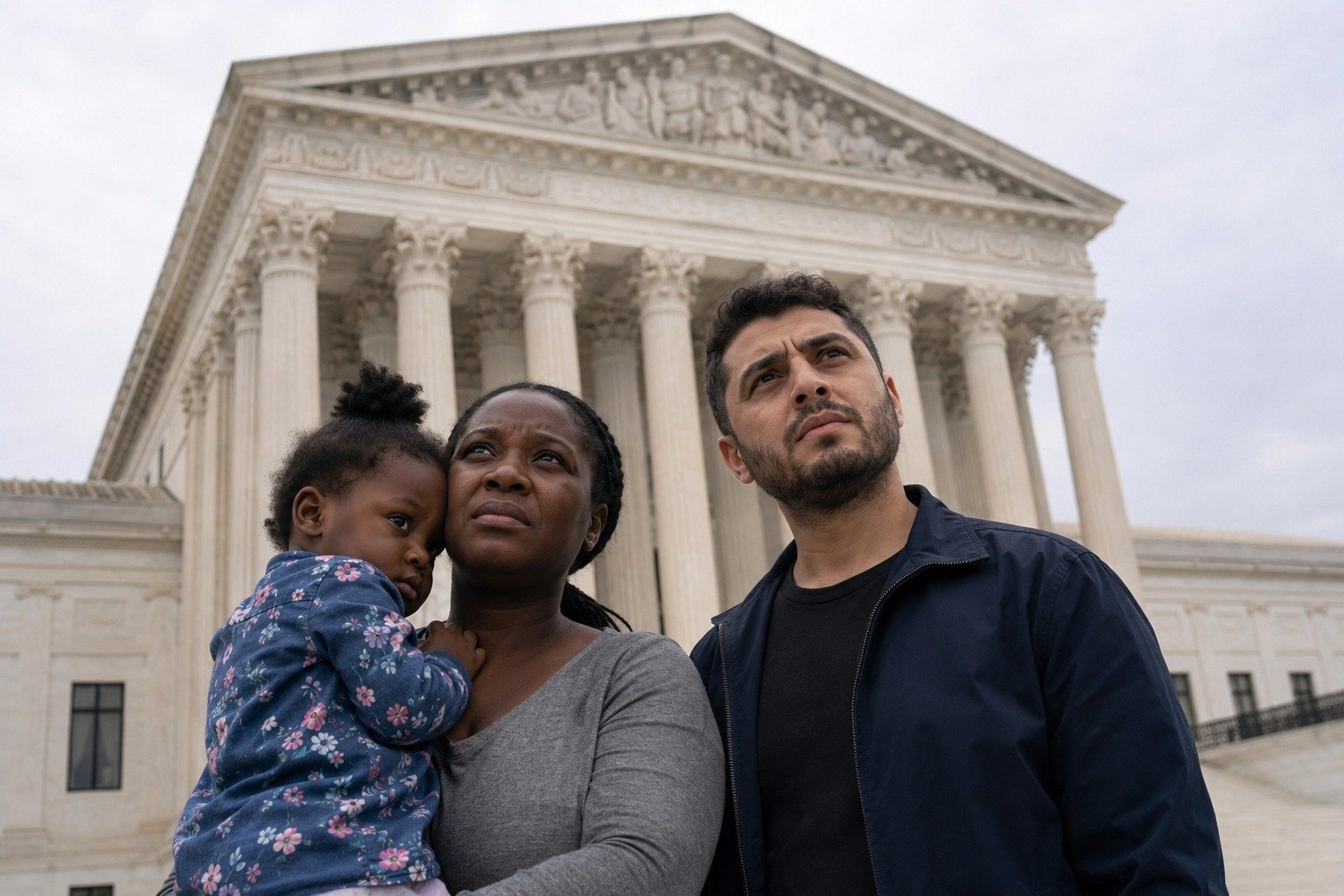
The Supreme Court has cleared the way for the Trump administration to strip deportation protections from more than 350,000 Haitian and Syrian immigrants, many of whom have lived and worked legally in the United States for over a decade. In a 6-3 decision handed down on June 25, 2026, the Court’s conservative majority ruled that the administration can move forward with ending Temporary Protected Status (TPS) for people from both countries – exposing hundreds of thousands of long-settled residents to the loss of their jobs, their legal status, and their right to remain in the country they call home.
The ruling is one of the most consequential immigration decisions in years, and its impact will be felt in communities across the country where Haitian and Syrian families have put down roots, raised children, and built careers.
What the Court Decided
Temporary Protected Status is a humanitarian program that allows people from countries devastated by war, natural disaster, or other extraordinary conditions to live and work legally in the United States. Haiti was first designated for TPS in 2010, after a catastrophic earthquake killed tens of thousands and displaced roughly a third of the country’s population. Syria received its designation in 2012, in response to the brutal civil war and the Assad regime’s violent crackdown on its own citizens.
In Monday’s decision, the justices ruled that the Department of Homeland Security secretary has broad authority to end TPS designations – and, crucially, that federal courts have almost no power to review how that authority is used. Writing for the majority, the Court held that the TPS statute bars judicial review of the decision to terminate protections, even in cases where the people affected argue the move was driven by racial prejudice.
The three liberal justices dissented, warning that the decision hands the executive branch nearly unchecked power over the fate of hundreds of thousands of people who followed the law and trusted the government’s promise of protection.
The Human Cost
For the families affected, the stakes could not be higher. People who have held TPS for years have used that legal status to build ordinary American lives – taking jobs, paying taxes, buying homes, and raising children, many of whom are U.S. citizens by birth. With their protections set to end, those same people could suddenly revert to undocumented status, lose their work authorization, and face removal from the country.
Immigration advocates warn that the ruling will force impossible choices on thousands of parents. Many face the prospect of being deported without their American-born children, splitting families apart or uprooting U.S. citizen kids from the only home they have ever known. Others worry about being returned to countries that remain dangerous – Haiti gripped by gang violence and political collapse, and Syria still reeling from more than a decade of war.
A Broader Shift
The decision fits a broader pattern in the administration’s approach to immigration, which has repeatedly sought to roll back protections for people living in the country legally under humanitarian programs. By ruling that courts cannot second-guess how those protections are ended, the Supreme Court has significantly expanded the executive branch’s power to act with little oversight.
Legal experts say the ruling could set a precedent reaching far beyond Haitian and Syrian TPS holders, potentially affecting recipients from other designated countries as well. Civil rights organizations have vowed to keep fighting, though the avenues for legal challenge have narrowed sharply.
For now, the message from the nation’s highest court is clear: the lives of hundreds of thousands of people who built their futures in America under the protection of the law now rest almost entirely in the hands of a single branch of government – with the courthouse doors largely closed behind them.