One of the most powerful politicians in Utah just learned that no title is bigger than the voters who hand it out. Senate President J. Stuart Adams, a fixture in the state Legislature for more than two decades, lost his Republican primary this week – and the issue that sank him was a sprawling data center he championed near the fragile, shrinking Great Salt Lake.
When results were posted after polls closed on June 23, the challenger, Stephanie Hollist, led with roughly 43% of the vote to Adams’ 35%, with a third candidate, Braden Hess, trailing further back. By the next day, Adams had conceded. For a man who had spent years as the chamber’s top leader, it was a stunning fall – and a clear message from the people he represented.
A water fight in the desert
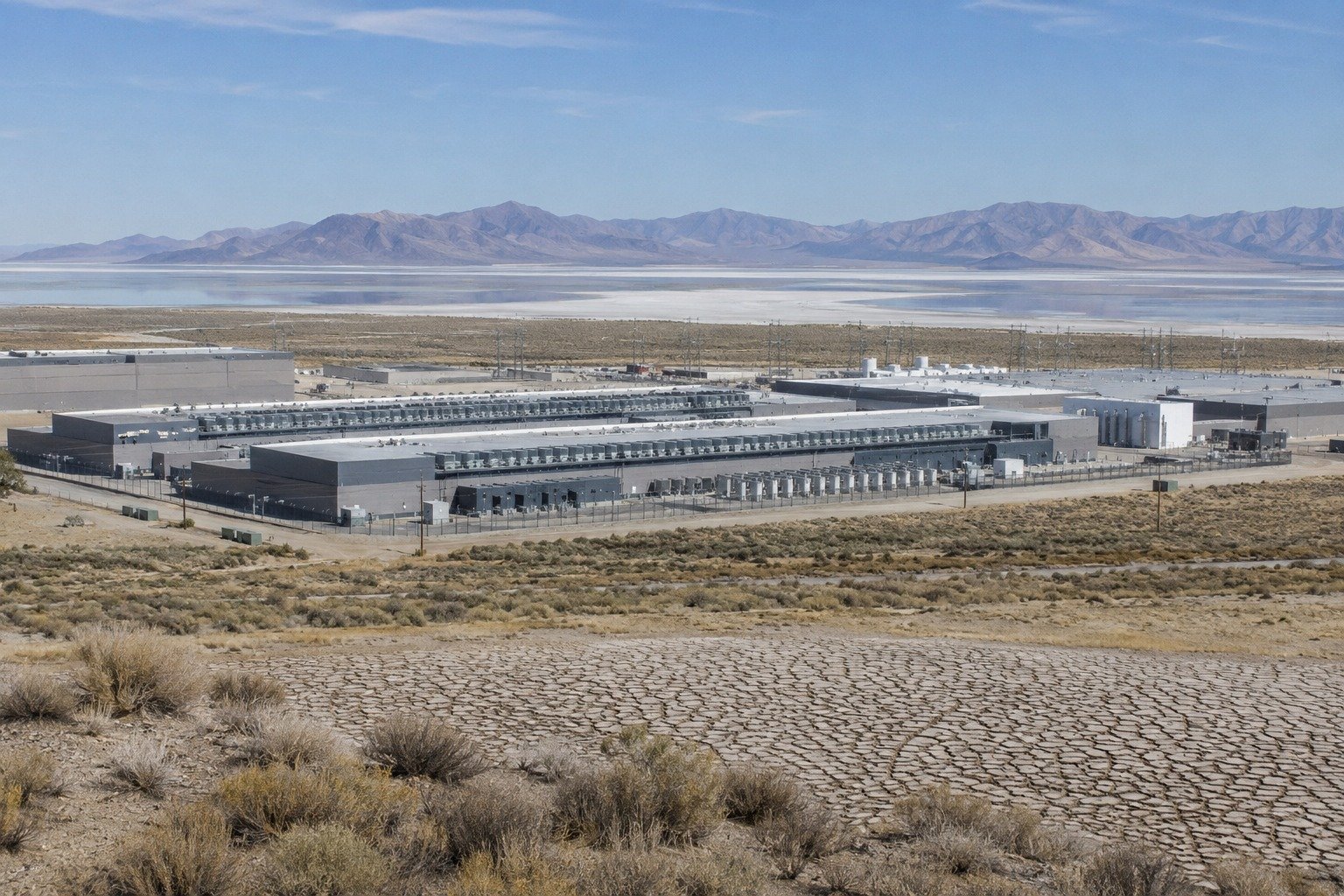
At the center of the race was a proposed hyperscale data center – the kind of massive server farm that powers cloud computing and artificial intelligence, and that consumes enormous amounts of electricity and water to keep its machines cool. Adams had become the public face of the project, having helped advance it through his role tied to the Military Installation Development Agency.
For many Utahns, that was the breaking point. The Great Salt Lake has been receding for years, exposing a dry, dusty lakebed that scientists warn could harm air quality and public health across the region. To residents watching that water disappear, the idea of dedicating scarce power and water to a giant corporate data center felt like a betrayal of the place they call home.
Hollist, a former university lawyer, opposed the data center and built her campaign around a simple, pointed message: honesty, transparency, and accountability. She argued that ordinary residents had been shut out of decisions that would shape their environment and their communities for decades to come.
More than one project
While the data center dominated headlines, observers say Adams became a lightning rod for broader frustration. Critics pointed to what they described as a lack of transparency and weak voter relations from Republican legislative leadership on a string of contentious issues, including redistricting and fights over citizen ballot initiatives.
In other words, the data center was the spark, but the kindling had been piling up for a long time. Adams, fairly or not, became a proxy for a leadership style that many voters felt had stopped listening to them.
Hollist’s path to the ballot underscored that dynamic. She was eliminated on the first ballot at the state party convention in April, but qualified for the primary anyway through signature gathering – the very mechanism that lets candidates reach voters directly when party insiders try to clear the field. The grassroots route that leadership has sometimes resisted is exactly what put Adams’ challenger in front of voters.
What it signals
Primary upsets of sitting legislative leaders are rare. They usually require a motivated electorate, a clear local grievance, and a challenger willing to do the unglamorous work of knocking on doors and gathering signatures. This race had all three.
It is also a reminder that environmental concerns are not abstract for the people who live alongside a vanishing lake. Water, air quality, and the long-term health of a community are kitchen-table issues, and voters showed they are willing to hold even the most powerful officials accountable when those issues are on the line.
For Adams, the result closes a long chapter in Utah politics. For Hollist and the residents who organized against the data center, it is proof that paying attention, showing up, and casting a ballot can still move the most entrenched power – and that the people who live with the consequences of a decision deserve a seat at the table when it is made.