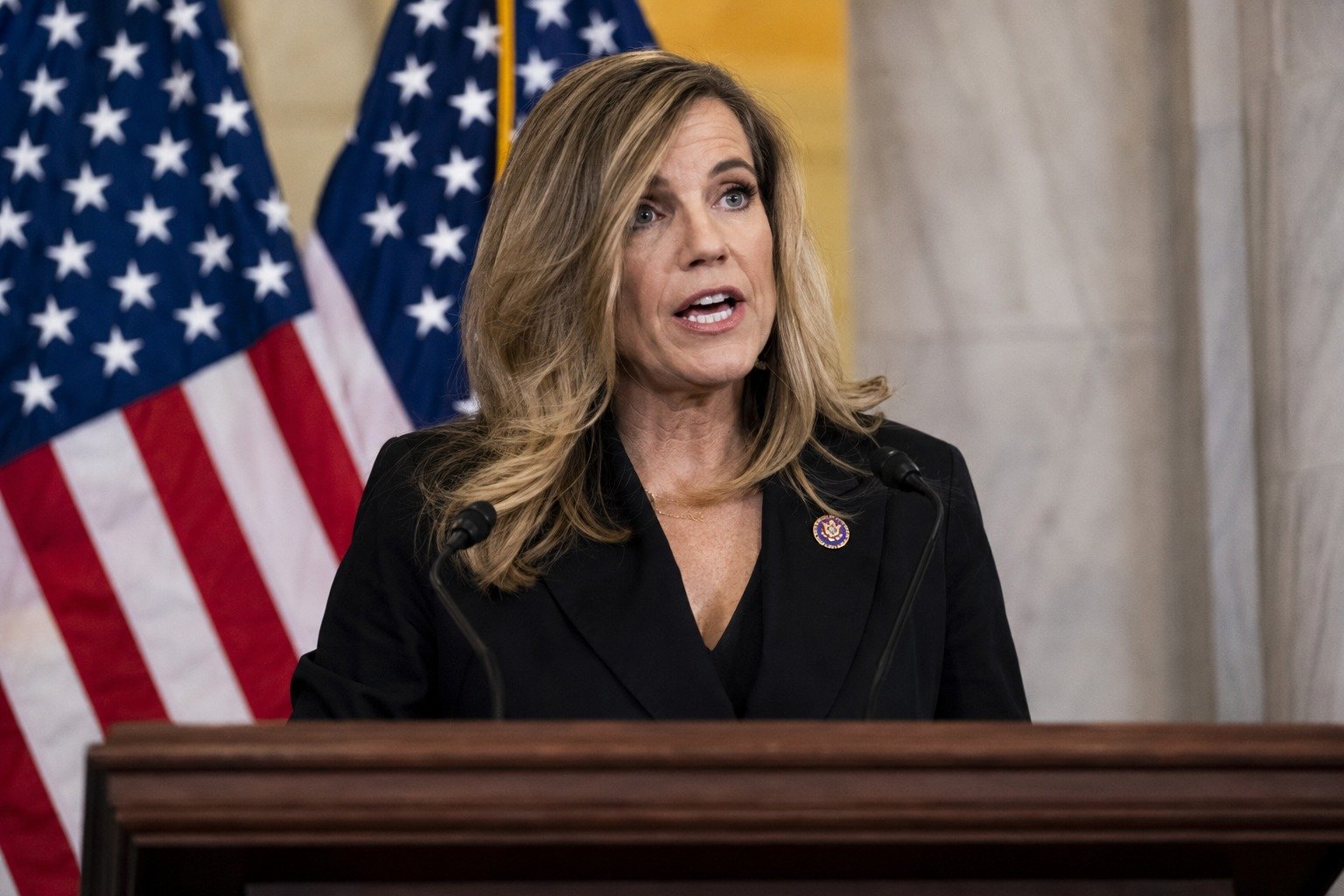
Rep. Nancy Mace has introduced a joint resolution proposing a constitutional amendment that would bar naturalized citizens from serving in Congress, sitting as federal judges, or holding any office that requires Senate confirmation. In plain terms, an American who was born abroad and earned citizenship through the legal naturalization process would be locked out of large sections of their own federal government.
The South Carolina Republican unveiled the measure around May 21, framing it as a requirement that the people who write the nation’s laws and confirm its judges be natural-born citizens. She singled out three Democratic colleagues by name to make her case.
What the Amendment Would Actually Do
Mace’s resolution would extend the Constitution’s existing natural-born-citizen requirement — which currently applies only to the president and vice president — to members of the House and Senate, to federal judges at every level, and to all officers of the United States who require Senate confirmation, including ambassadors and Cabinet-level appointees.
She pointed specifically to Reps. Ilhan Omar of Minnesota, Shri Thanedar of Michigan, and Pramila Jayapal of Washington — all naturalized citizens who were duly elected by the constituents who chose them. There are 26 foreign-born members currently serving in Congress, drawn from both parties, according to public records of the chamber’s makeup.
A Proposal, Not a Law
It is essential to understand what this measure is and is not. It is a joint resolution proposing a constitutional amendment — not a law, and not even an ordinary bill that could pass with a simple majority. The bar for amending the Constitution is deliberately, extraordinarily high.
To take effect, the amendment would need to clear two-thirds of the House and two-thirds of the Senate, and then win ratification from three-fourths of the 50 state legislatures. In a closely divided Congress, the odds of that happening are vanishingly small. The practical impact of the resolution, at least for now, is the message it sends rather than any change it makes to who can hold office.
Reaction and Pushback
Critics moved quickly to denounce the proposal. Rep. Jayapal, one of the lawmakers Mace named, called it “racist legislation that denies the very history of a country that has been proudly shaped by immigrants.” Civil rights advocates note that the Constitution already treats naturalized citizens as equal to native-born citizens in nearly every respect, and that this amendment would deliberately carve them into a lesser tier of citizenship.
Supporters of the idea argue that the people writing the nation’s laws and representing it abroad should hold a single, unambiguous national loyalty. Opponents counter that a naturalized citizen takes an oath, passes a civics test, and earns precisely the same rights as anyone born on U.S. soil — and that drawing a permanent line between the two groups runs against the country’s founding character as a nation of immigrants.
What This Means for Americans
For the millions of naturalized citizens living in the United States, the proposal is a pointed reminder that the equality they were promised at their naturalization ceremony is not universally accepted as settled. Even with little chance of passage, an amendment like this reframes naturalized Americans as second-class participants in their own democracy — barred from the very institutions that make the laws governing their lives. The question it forces is a simple one: should citizenship, once earned, ever come with a permanent asterisk?
Stay informed on the stories that matter most. Follow Your Daily Updates on Facebook and bookmark yourdailyupdates.news for breaking news and analysis.