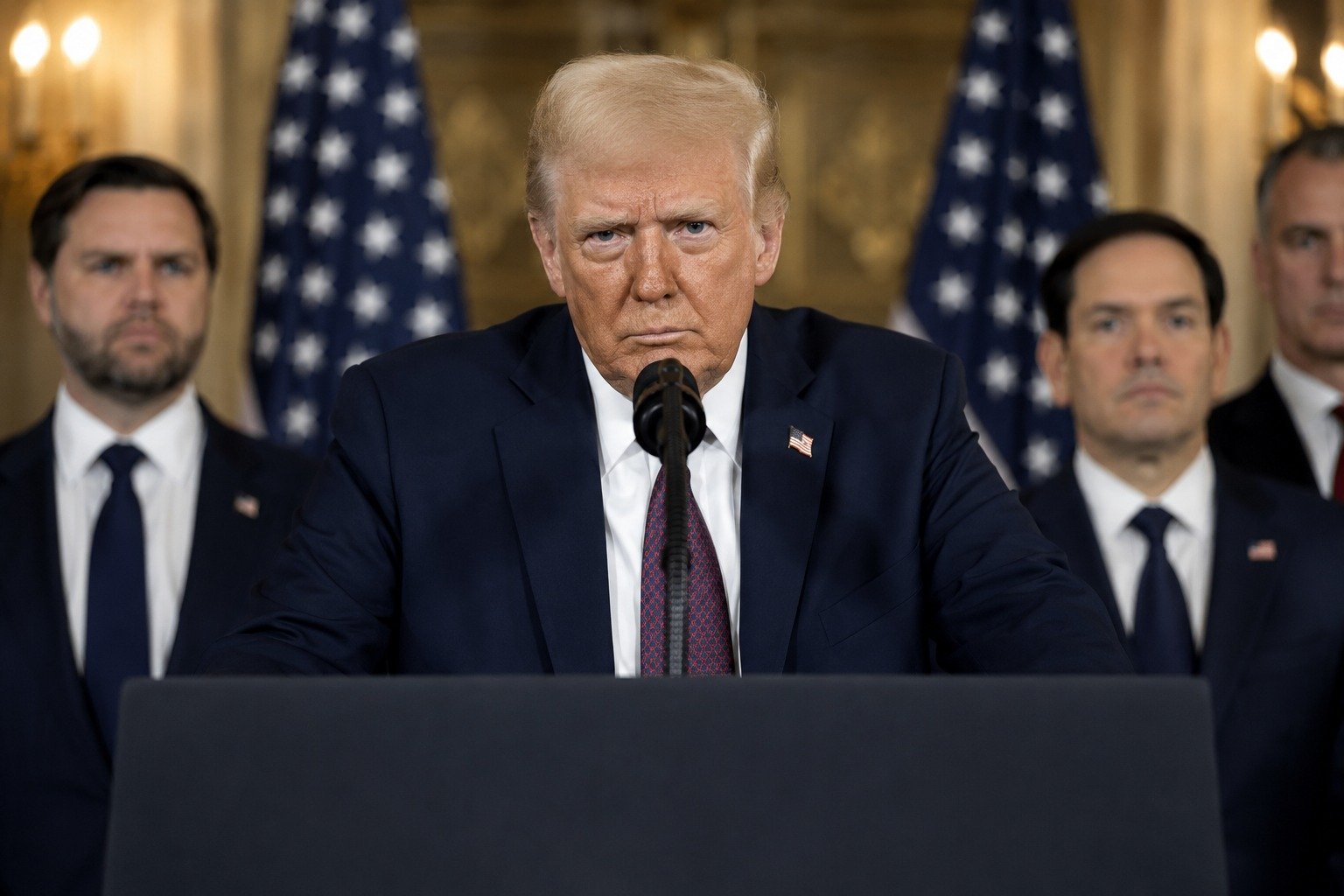
It is official: a sitting member of Congress has put 13 articles of impeachment against President Donald Trump in writing. Rep. John Larson, a Connecticut Democrat, filed a sweeping resolution this spring that lays out, point by point, the conduct he argues crosses the line into impeachable territory.
The resolution is now sitting in the House of Representatives. But here is the crucial context that cuts through the noise: filing is not the same as passing. These articles have been introduced. They have not been voted on, adopted, or used to impeach anyone.
What Larson Actually Filed
Larson’s measure bundles 13 separate articles of impeachment into a single House resolution — one of the most expansive impeachment efforts aimed at a sitting president in modern memory. Each article is meant to stand as its own accusation of an abuse of power, and together they form a formal charge sheet placed on the congressional record.
Filing a resolution like this is the first procedural step any individual member can take to force a debate. It does not trigger an automatic trial or vote. Instead, it puts the charges in black and white and effectively dares the rest of Congress to take a public position — for or against.
Filed, Not Passed: Why the Distinction Matters
Under the Constitution, the House holds the sole power to impeach, and the Senate holds the sole power to try an impeachment. For any of these 13 articles to move forward, House leadership would have to bring the resolution up, a committee or the full chamber would have to act, and a majority would have to vote yes.
That is where the math gets difficult. The House is controlled by Republicans, and GOP leadership has shown no sign of advancing Larson’s resolution. Without that cooperation, the articles can sit on the record indefinitely without ever reaching a vote. In practical terms, the document exists, but the path to a trial does not — at least not in the current Congress.
The Debate It Has Reopened
Supporters of the resolution argue that accountability should not hinge on whether it is politically convenient. If the conduct is serious, they say, the charges deserve a hearing and a recorded vote — not a quiet death in a drawer. For them, the value of filing is that it forces every member of Congress to go on the record about presidential accountability.
Critics counter that the move is largely symbolic. With no realistic path to passage in a Republican-controlled House, they describe it as a messaging exercise rather than a genuine attempt at removal. They argue the resolution is destined to stall and that its real audience is the public, not the chamber.
What This Means for Americans
For ordinary Americans, the filing is less about an imminent removal and more about a question of principle: how much power should one person hold, and what consequences exist when that power is challenged? The resolution forces that debate into the open, even if the votes are not there to act on it.
It also gives voters a clear marker. Because the articles are now on the record, constituents can see where their representatives stand — whether they push for a hearing, stay silent, or move to block it. In a system built on accountability, that visibility is itself a form of pressure.
The bottom line: the 13 articles are real, they are spelled out, and the question of what should happen next is now squarely in front of the country. Whether they ever reach a vote is a separate matter entirely.
Stay informed on the stories that matter most. Follow Your Daily Updates on Facebook and bookmark yourdailyupdates.news for breaking news and analysis.