A years-old Florida law is going viral again, and the version being shared online is far more sweeping than what the statute actually says. The law is real. The framing around it often is not.
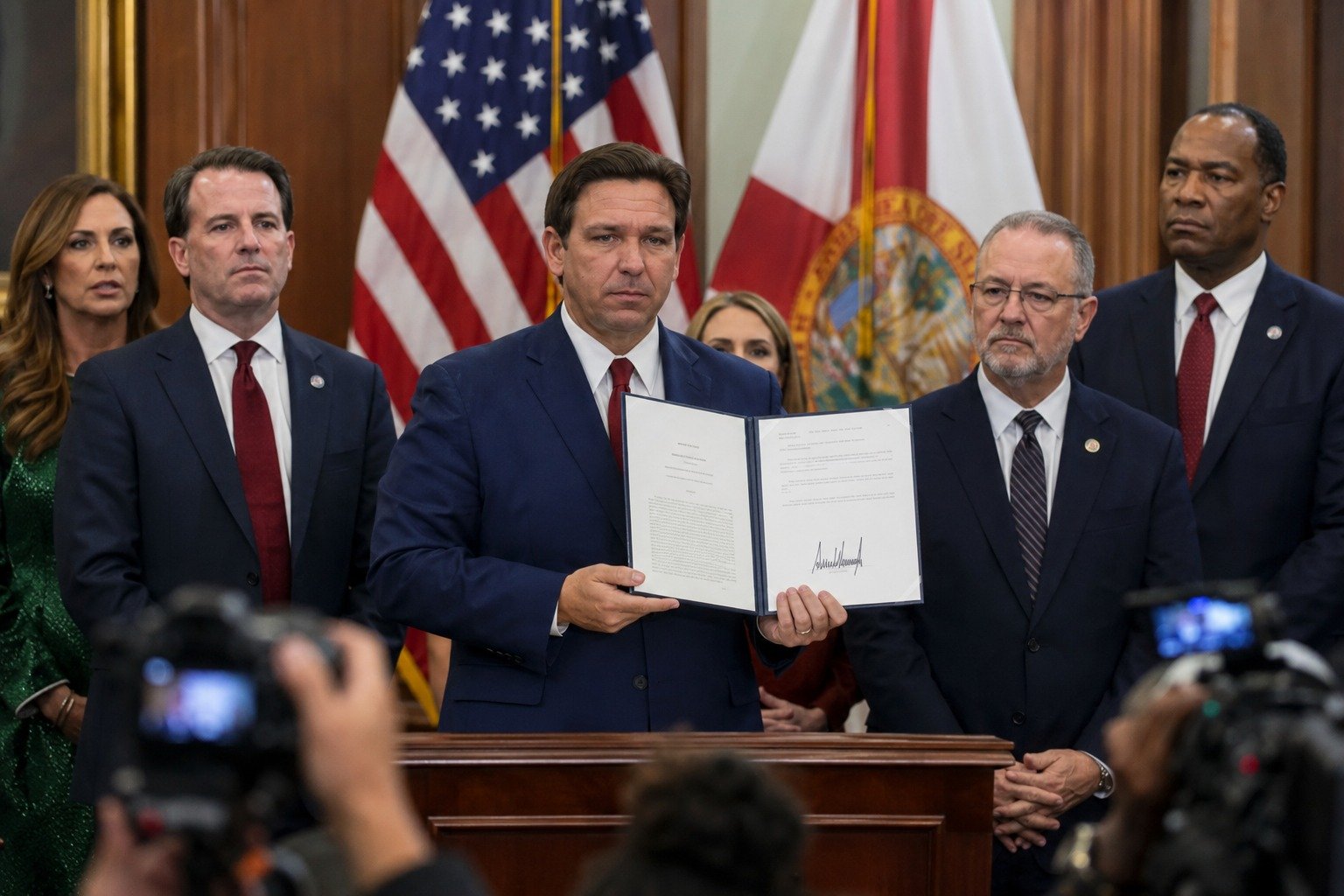
In April 2021, Gov. Ron DeSantis signed House Bill 1, Florida’s so-called “anti-riot” law. It is not new legislation from this week or this month. It has been on the books for years, and a fresh wave of social media posts has people rediscovering one of its most controversial provisions: a legal shield for drivers who strike protesters blocking a road during a riot.
What the law actually does
Under HB 1, if a driver hits someone who is blocking a public road during what the state defines as a “riot,” and the driver says they reasonably feared for their safety, the law gives them a powerful legal protection. In legal terms, it is an affirmative defense, and it applies to civil lawsuits brought by the person who was struck.
That distinction is the part most viral posts leave out. The immunity is civil only. It does not erase criminal liability. A driver who injures or kills someone can still be arrested, charged, and prosecuted by the state. The law does not hand anyone a blanket pass to drive into a crowd, and “if they feel threatened” is not the unconditional permission the loudest versions of this story suggest. Whether the fear was reasonable, and whether the gathering legally qualified as a riot, are questions that would still be tested.
Why civil liberties groups have warned about it for years
From the day it was signed, civil liberties organizations and protest-rights advocates raised alarms about HB 1. Their concern is straightforward: when a state carves out special legal cover for hitting demonstrators, it raises the cost of standing in the street and exercising the constitutional right to assemble. Critics argue the law has a chilling effect, discouraging peaceful protest out of fear that participants could be hurt with reduced consequences.
The broader law has faced legal challenges over how it defines a “riot,” with opponents warning that vague language could sweep in peaceful protesters who happen to be near unrest they did not cause. Courts have weighed in on parts of the statute since 2021, and the fight over its scope has never fully gone away. That is part of why the driver-immunity provision keeps resurfacing in public conversation.
The argument on the other side
Supporters of the provision frame it differently. They argue it protects drivers who genuinely fear for their lives when surrounded by a violent mob and have no safe way out. In their view, a motorist trapped by a hostile crowd should not face automatic civil liability for trying to escape a dangerous situation. The disagreement, ultimately, is about where the line sits between public safety and the right to protest.
What this means for Americans
The stakes here are not abstract. Protest is one of the most basic tools ordinary people have to be heard, and laws that shift the legal balance around demonstrations affect who feels safe showing up. At the same time, accuracy matters: spreading the claim that Florida simply legalized running people over gets the law wrong and can fuel exactly the kind of confusion that makes a tense moment more dangerous. Understanding that the immunity is civil only, conditional, and still subject to criminal law is essential to having an honest debate about it.
Stay informed on the stories that matter most. Follow Your Daily Updates on Facebook and bookmark yourdailyupdates.news for breaking news and analysis.