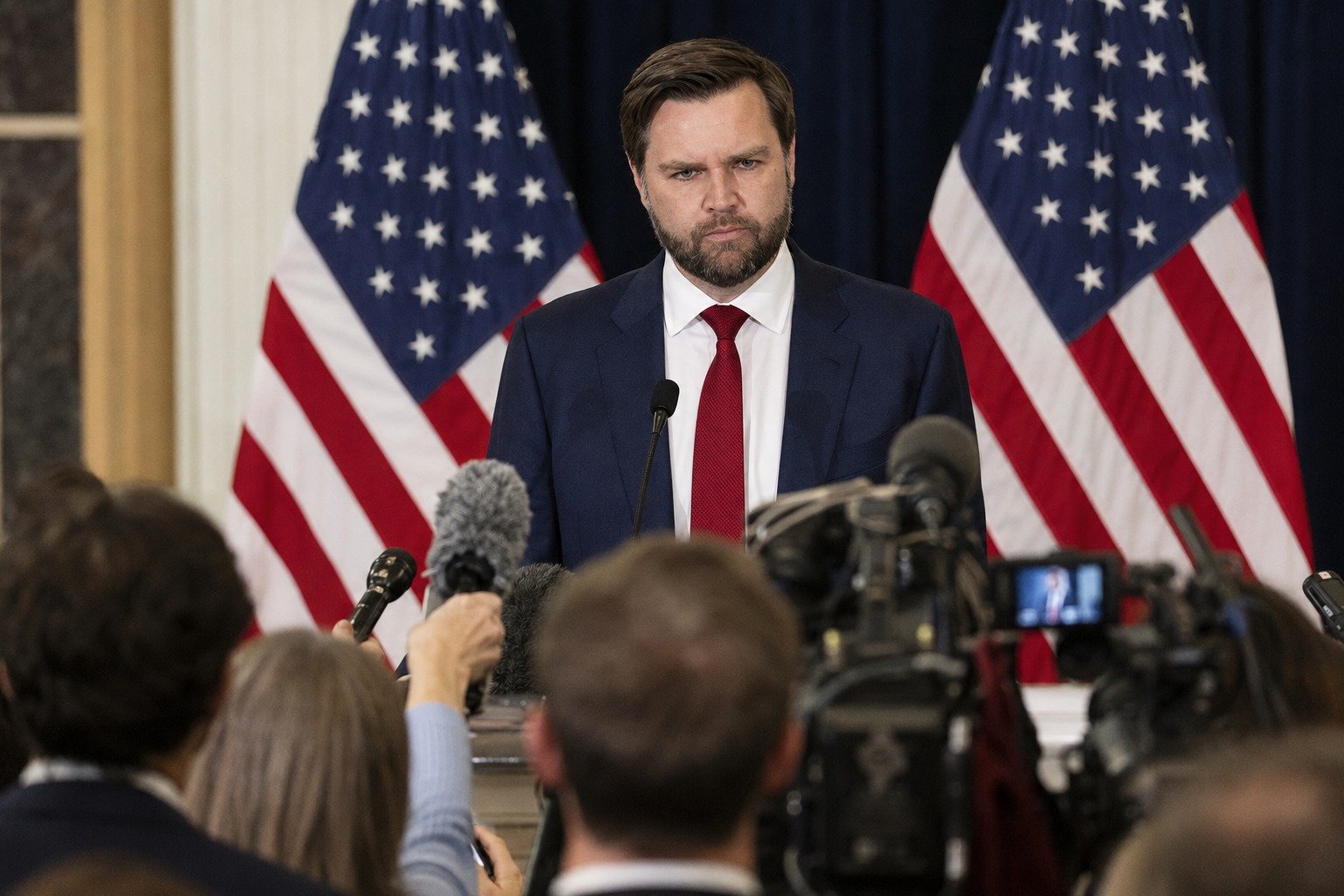
The ink is barely dry on President Trump’s new agreement with Iran, and his own party is already coming apart over it. A deal that was supposed to be a foreign policy triumph has instead opened a public fight inside the Republican Party — and the early casualty isn’t Trump. It’s Vice President JD Vance.
A Deal Signed at the G7
Trump signed a memorandum of understanding with Tehran on the sidelines of the G7 summit, a framework that the administration has presented as a breakthrough. A memorandum of understanding is not a binding treaty — it is a statement of intent that lays out terms both sides agree to pursue. But the specifics matter enormously when the subject is Iran, and as those specifics began to surface, the reaction inside Trump’s own party turned sharply negative.
For years, Iran has been one of the few issues that united Republicans almost without exception. The party’s hawks built their political identities on a hard line against Tehran, opposing the Obama-era nuclear deal and demanding maximum pressure. So when a Republican president signed an agreement with Iran, the people most likely to revolt were not Democrats. They were members of his own caucus.
“The Worst Foreign Policy Blunder in Decades”
Senator Bill Cassidy did not soften his words. He called the agreement “the worst foreign policy blunder in decades” — an extraordinary condemnation from a sitting Republican senator describing his own president’s deal. It is the kind of language usually reserved for the opposing party, not aimed back across the aisle at the leader of one’s own.
Cassidy is not alone. The hawkish wing of the congressional GOP, long the most vocal bloc on Iran policy, has been the quickest to break ranks. What was a united front just weeks ago is now an open argument playing out in public — exactly the kind of intraparty fracture that tends to spread once the first prominent figure says out loud what others are thinking.
The Setup: Credit for Trump, Blame for Vance
Here is the part that tells you everything about how this White House operates. Trump has already made clear how the outcome will be assigned: if the Iran deal works, he takes the credit. If it falls apart, the blame lands on Vice President JD Vance. The president has essentially announced, before the agreement has had any chance to succeed or fail, who will be left holding the bag if it goes wrong.
The hawks in the party have taken the cue. Rather than aim their fire at the man who actually signed the memorandum, much of the Republican criticism is being directed at Vance. He is being set up as the designated fall guy for a deal he did not personally negotiate on his own — a remarkable position for a sitting vice president to find himself in, and one engineered in part by the president he serves.
A Familiar Pattern
It is a familiar dynamic. When the wins come, they belong to Trump. When the risk shows up, someone else is handed responsibility for it. This time the someone is his own vice president, and the speed with which the blame structure was put in place — before any results are in — is what makes it notable. Vance is being positioned to absorb the political cost of a decision while the credit is reserved for the top.
The open question now is how Vance responds. Does he quietly accept the role of fall guy and absorb the blame to protect the president? Or do the Republicans pointing fingers at him eventually start asking the more uncomfortable question — why is the president so eager to keep his own hands clean on a deal he chose to sign?
What This Means for Americans
Beyond the palace intrigue, this is a story about accountability at the highest level of government. Foreign policy toward Iran carries real stakes — for national security, for stability in the Middle East, and for the credibility of American commitments abroad. When a major agreement is made and the person who signed it is already arranging for someone else to take the fall, it raises a basic question of leadership: who actually answers for the decisions made in the public’s name? Americans deserve a government where the people in charge own their choices, win or lose — not one where responsibility is quietly shifted downward the moment things get risky.
Stay informed on the stories that matter most. Follow Your Daily Updates on Facebook and bookmark yourdailyupdates.news for breaking news and analysis.