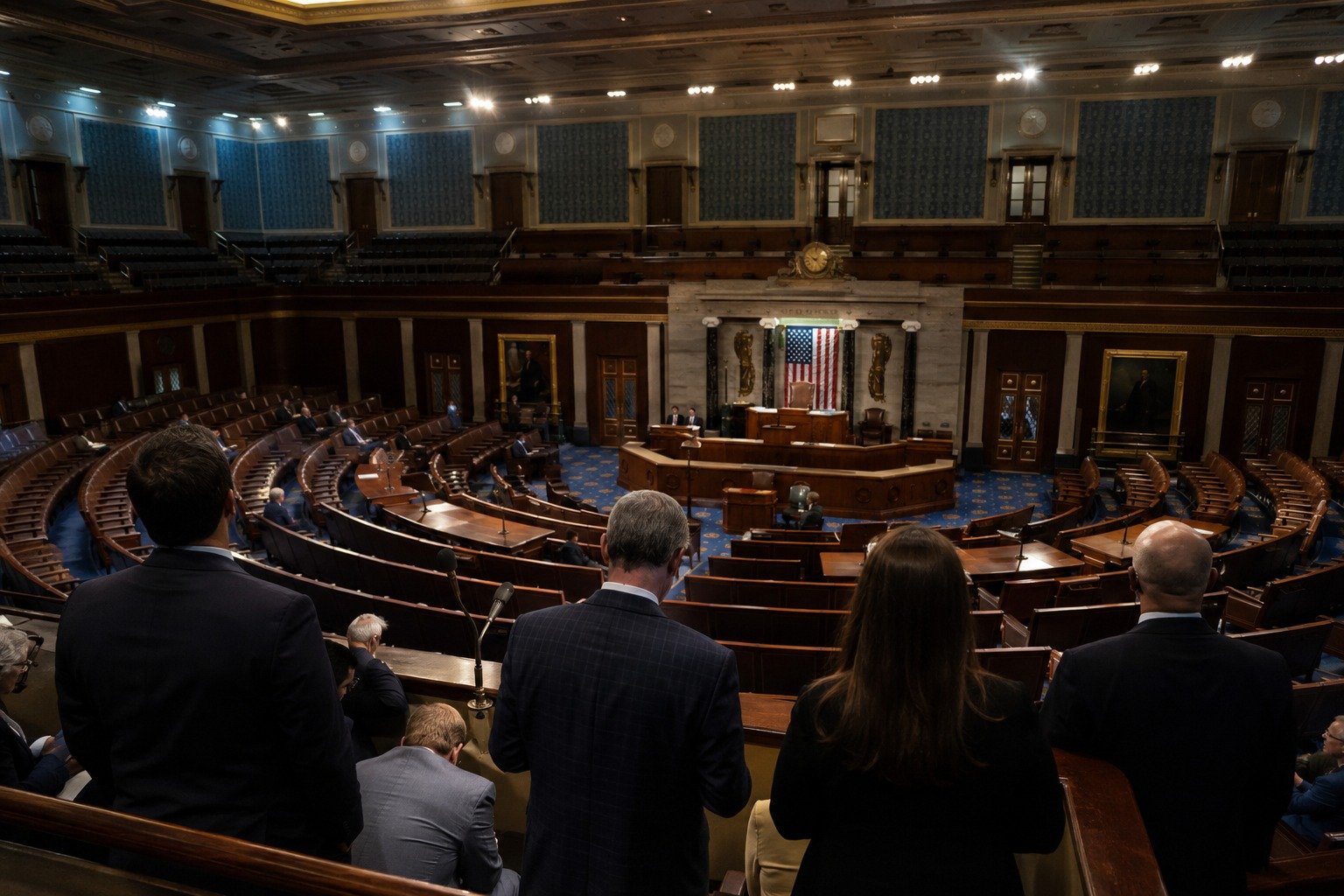
A resolution to impeach President Trump is now sitting in the U.S. House of Representatives, and it lays out not one charge, but thirteen. The sweeping measure has reignited a national debate over presidential accountability, even as it faces long odds of ever reaching the House floor.
Who Filed It, and What It Alleges
Rep. John Larson, a Democrat from Connecticut, filed the resolution in early April 2026, packing it with 13 separate articles of impeachment against President Trump. Together, the articles allege a broad pattern of conduct that Larson and his supporters argue amounts to high crimes and misdemeanors under the Constitution.
According to the resolution, the articles point to the administration’s actions involving Iran and Venezuela, its conduct surrounding Gaza, the domestic deployment of National Guard troops, unlawful detentions and deportations, and an alleged abuse of the presidential pardon power. The document attempts to catalog, in a single filing, the full scope of conduct its author says has crossed constitutional lines.
It is one of the most expansive impeachment efforts brought against a sitting president in modern memory. Where past impeachment drives have typically centered on one or two articles, this resolution bundles thirteen distinct counts into one measure, framing them as a connected pattern rather than isolated incidents.
Where the Resolution Actually Stands
It is important to be precise about where this effort stands. The resolution has been formally filed, but it has not advanced to a House floor vote on the articles themselves. It remains a longshot in the current House, and no removal vote is scheduled. For a president to actually be removed from office, the House would first have to pass articles of impeachment by a simple majority, and the Senate would then have to convict by a two-thirds supermajority — an exceptionally high bar that has never been cleared in American history.
In practical terms, what the filing represents is a formal marker: a sitting member of Congress putting on the public record, in 13 detailed counts, the case for accountability. It is a statement of position as much as a legislative vehicle, and its immediate path forward in a divided Congress is far from clear.
Two Very Different Readings
Supporters of the resolution argue that the point is precisely to name the conduct and force it onto the record, rather than letting it pass without scrutiny. To them, filing articles of impeachment is a constitutional duty when a member believes the powers of the office have been abused — regardless of whether the votes exist to convict.
Critics counter that the measure is a political gesture with no realistic path to passage, and that introducing 13 articles at once risks diluting the seriousness of any single charge. They argue that impeachment should be reserved for cases with genuine momentum, not used as a messaging tool.
Both readings reflect a deeper question that has hung over American politics for years: what is the right mechanism for holding a president accountable when ordinary political checks feel insufficient, and how should Congress use the most powerful tool the Constitution gives it?
What Happens Next
For now, the resolution sits in the House without a scheduled vote. Whether it gains traction, stalls quietly, or becomes a rallying point heading into the next election cycle remains to be seen. What is certain is that thirteen articles of impeachment have been formally placed on the table, and the conduct they describe is now part of the official congressional record.
Now we want to hear from you. Thirteen articles of impeachment have been filed against President Trump. Do you think Trump should be removed from office?