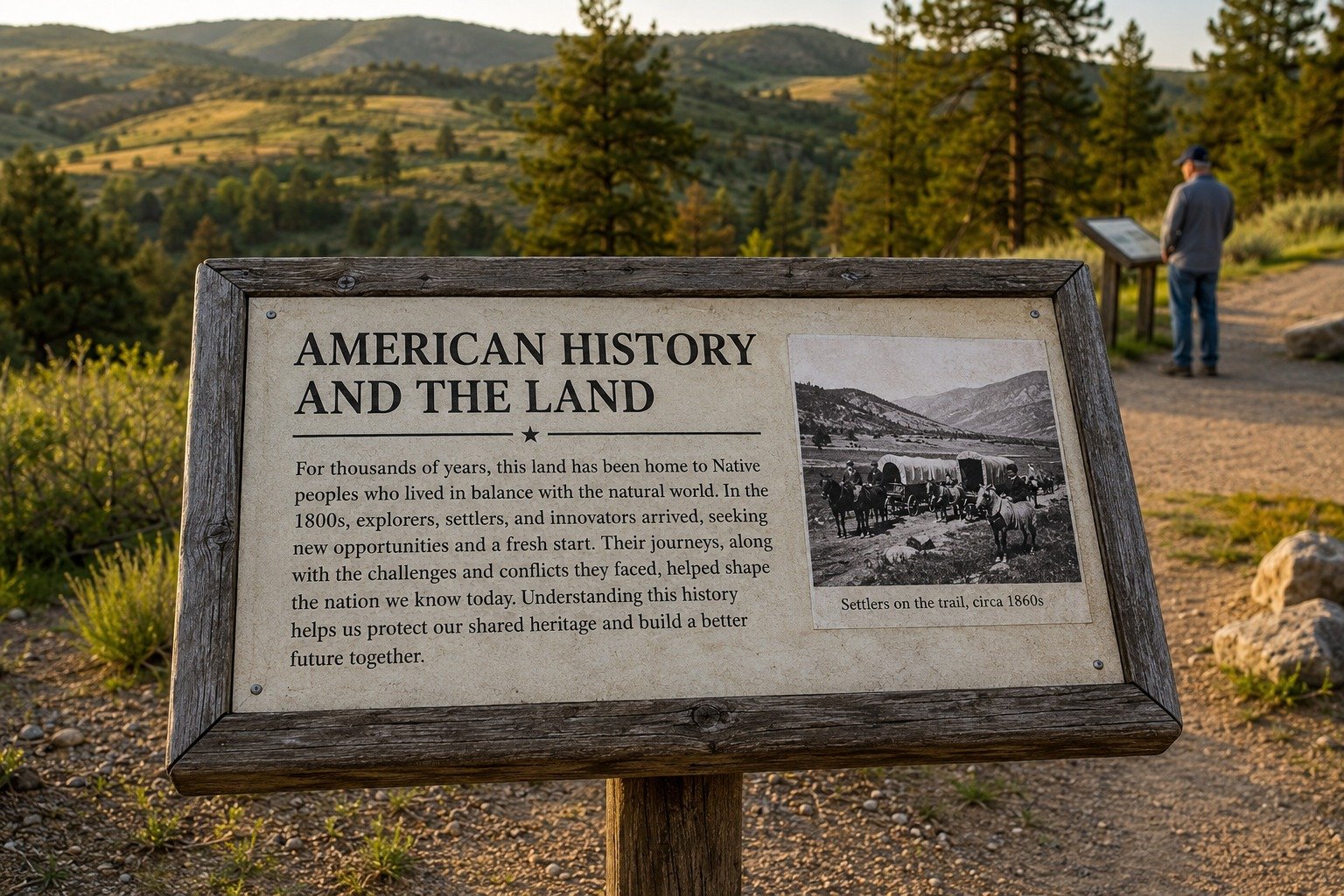
A federal judge has ordered the Trump administration’s Interior Department to reinstall interpretive signs and exhibits at national parks – including displays on slavery and climate change – that were altered or removed after a 2025 executive order. U.S. District Judge Angel Kelley issued a preliminary injunction this week giving the department 21 days to put the affected materials back in place.
The ruling lands at the center of a fight over who gets to decide how America tells the story of its own past on the public land that belongs to everyone.
What the Court Ordered
According to the order, at least 45 signs across the national park system were affected after the administration moved to revise historical displays. The judge’s preliminary injunction directs the Interior Department to reinstall the interpretive panels and exhibits within 21 days while the underlying legal challenge proceeds.
It is important to be precise about what this is: a preliminary injunction, not a final ruling. The administration is seeking to block the order, and the case is far from over. But for now, the court has required the signs to go back up rather than stay down while the litigation plays out.
The Backstory
The changes followed a March 2025 executive order titled “Restoring Truth and Sanity to American History.” Under that directive, the Interior Department began reviewing and altering how certain topics were presented to the public – among them the history of slavery and the effects of a warming climate on the nation’s landscapes.
National park interpretive signs are not afterthoughts. They are the panels that explain to millions of visitors each year what actually happened on the ground beneath their feet – who lived there, who was enslaved there, and how the environment around them is changing. Removing or rewriting them changes what a family learns when they pull over at a roadside marker or walk through a historic site.
The Debate
Critics argue that stripping out the displays amounted to an attempt to sand the uncomfortable parts off the national story and replace a complete history with a more flattering version. Supporters of the administration’s review have framed it as correcting what they see as overly negative or politicized presentations.
The judge’s decision suggests the plaintiffs made a strong enough case that the removals were legally questionable to justify putting the materials back while the dispute is resolved. The administration’s appeal of the injunction means the question of who controls the content of public history could climb higher in the courts.
What This Means for Americans
National parks belong to the public, and so do the stories told within them. This case asks a simple question with large stakes: can a sitting administration quietly edit the historical record on federal land, or is that record something the public has a right to see in full? For now, a court has answered that the parks – and the truth they are meant to tell – do not belong to whoever happens to hold power.
Stay informed on the stories that matter most. Follow Your Daily Updates on Facebook and bookmark yourdailyupdates.news for breaking news and analysis.