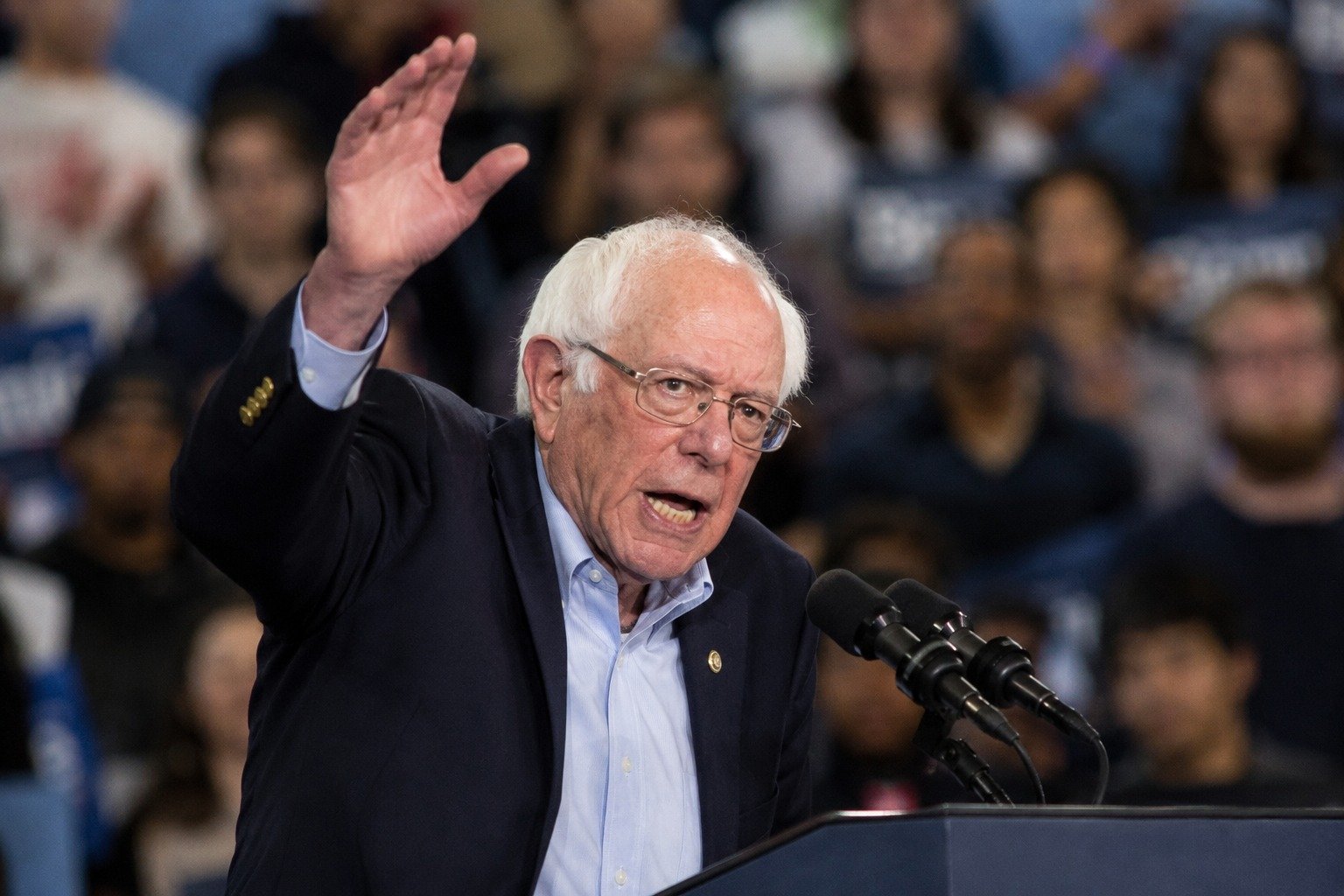
The progressive movement that powered Zohran Mamdani into New York City Hall is not slowing down. Sen. Bernie Sanders is set to headline a rally with NYC Mayor Zohran Mamdani at Brooklyn’s historic Kings Theatre, throwing their combined weight behind a slate of insurgent progressive candidates running for Congress just days before the June 23 primary.
The event lands five days before the June 23 congressional primary, and the message could not be clearer: the grassroots coalition that flipped New York’s biggest city now wants to send a new bloc of fighters to Washington. For Sanders, the longtime independent senator from Vermont who has spent his career railing against what he calls an economy rigged for the wealthy, the rally is the latest stop in a movement-building effort that shows no sign of fading.
A Slate Built on Working-Family Politics
Three candidates anchor the endorsement. Claire Valdez is running for an open seat in New York’s 7th Congressional District. Darializa Avila Chevalier is mounting a primary challenge against longtime Rep. Adriano Espaillat in the 13th District. And Brad Lander, the former New York City comptroller, is seeking a House seat of his own after years in city government.
Each is running on a platform familiar to anyone who has followed the rise of the progressive left: housing that working people can actually afford, an economy that rewards labor over speculation, and a Democratic Party that answers to voters rather than donors. As Mamdani framed the endorsements, the goal is “a Democratic Party driven by big ideas, not big money.”
From City Hall to Capitol Hill
Mamdani’s involvement carries particular weight because of where he now sits. He was sworn in as mayor of New York City on January 1, 2026, with Sanders himself administering the public oath of office at City Hall – a symbolic passing of the torch between two figures who built their campaigns on the same anti-establishment, pro-worker energy.
Now, as the sitting mayor of the nation’s largest city, Mamdani is using that platform to lift up the next wave of challengers. It is a deliberate strategy: convert the organizing muscle and small-dollar fundraising that won a citywide race into victories in down-ballot congressional primaries, where insurgent candidates have historically struggled against incumbents backed by party infrastructure and deep-pocketed donors.
Why the June 23 Primary Matters
The June 23 contest is a congressional primary, not a mayoral race – Mamdani’s own election is over, and he is governing. What is on the line now is whether the coalition behind him can translate enthusiasm into a slate of new House members. Avila Chevalier’s challenge to a five-term incumbent in NY-13 is among the most closely watched, a direct test of whether grassroots energy can topple an entrenched establishment figure.
Early voting is already underway, and organizers are betting that the same enthusiasm that filled rallies during the mayoral campaign will carry into the primary. The Kings Theatre event – a grand, ornate venue in the heart of Brooklyn – is designed to send a signal: this is a movement that intends to keep building, district by district.
For Sanders and Mamdani, the bet is straightforward. If the coalition that won New York City can power a slate of progressives into Congress, it would mark a significant expansion of the movement’s reach – and a clear message to the Democratic establishment that the grassroots left intends to keep fighting for working families at every level of government.