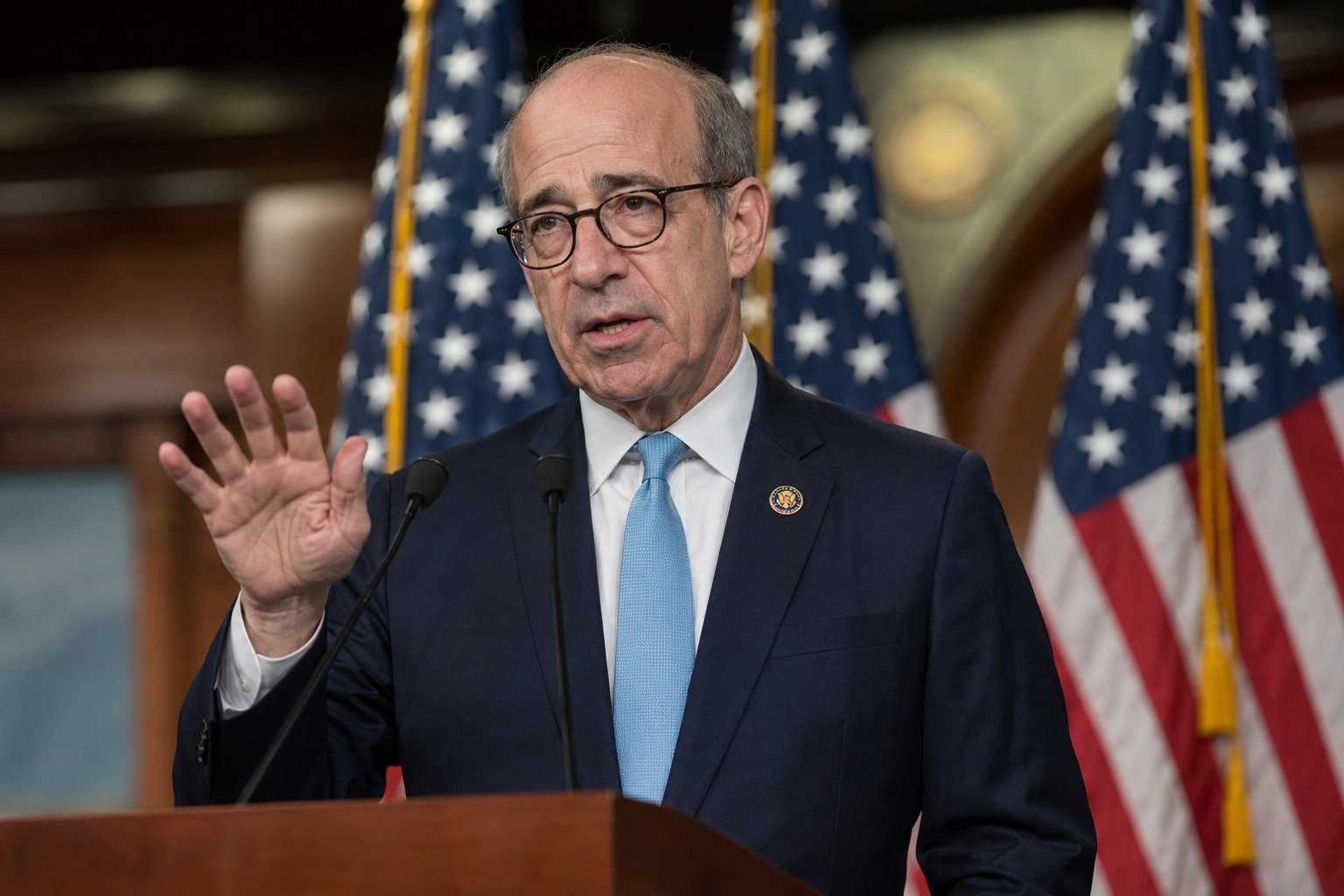
Rep. Jamie Raskin wants to make one thing flatly illegal: a president taking money from the very people they pardon. The Maryland Democrat, the ranking member of the House Judiciary Committee, joined Reps. Robert Garcia and Joe Morelle this spring to unveil a sweeping anti-corruption package aimed squarely at the idea of clemency for sale.
What the Bill Would Do
At its core, the legislation would bar a president from accepting any payment from someone they pardoned, granted clemency to, or appointed to office. It would also prohibit those individuals from making such payments in the first place, closing the loophole from both ends. The goal is to shut down any version of a quiet “thank you” payment flowing back to the Oval Office after a get-out-of-jail signature.
The bill goes a step further on transparency. It would require the president to disclose to Congress every payment received from anyone they pardoned or granted clemency. That disclosure mandate is designed to make hidden financial ties impossible to bury, forcing any such arrangement into public view where lawmakers and the press can scrutinize it.
The broader package also slams the door on presidential self-pardons – the contested notion that a president could simply sign away their own legal exposure. Taken together, the provisions target what the sponsors describe as a pay-to-play danger at the very top of the executive branch.
Why It Matters
The pardon power is one of the broadest and least-checked authorities a president holds. It is meant to function as an act of mercy, not a transaction. Raskin and his co-sponsors argue that without explicit guardrails, the power is vulnerable to abuse – a president could, in theory, reward allies, donors, or business partners with clemency and quietly profit from it.
By putting the prohibition in writing, the lawmakers are drawing a hard line on conduct they argue should never have been legal in the first place. It also forces every member of Congress to go on record about whether a president should be allowed to cash in on the people they let off the hook.
A Bill, Not a Law
It is important to be clear about where this stands. This is an introduced bill – one piece of a broader anti-corruption package – and it has not passed, has not been signed, and is not law. With Republicans controlling Congress, its path to enactment right now is narrow, and its supporters know it.
That is part of the strategy. The package functions as a preview of Democratic priorities – a marker of exactly what the party says it would move on if it retook the majority. The political message is as much a part of the rollout as the policy itself.
What This Means for Americans
For ordinary citizens, the stakes are straightforward: the integrity of the pardon power affects whether justice is applied equally or sold to the highest bidder. A clemency system that can be bought erodes public trust in the rule of law and tilts the playing field toward the powerful and well-connected. Whether or not this bill becomes law, it reopens a basic accountability question – should anyone, even a president, be allowed to profit from the power to pardon?
Stay informed on the stories that matter most. Follow Your Daily Updates on Facebook and bookmark yourdailyupdates.news for breaking news and analysis.