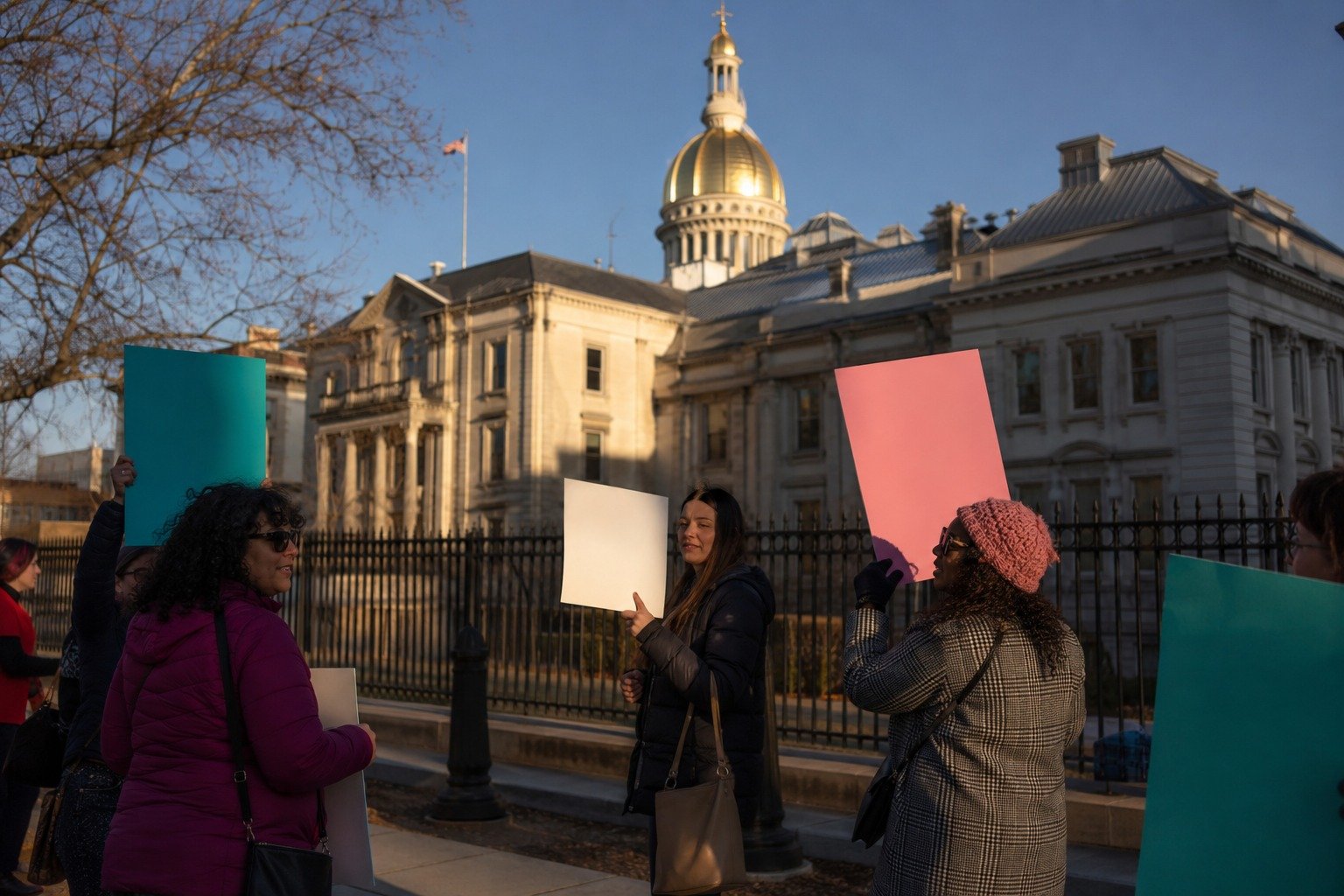
New Jersey’s state Senate has passed a bill that would make it a crime to block, harass, or physically harm patients seeking abortion or transgender care, along with the doctors, nurses, staff, and volunteers who provide it. Senators approved the measure on May 28, 2026. It is not yet law — it cleared one chamber and now moves to the state Assembly.
What the Bill Would Do
At its core, the bill creates a brand-new criminal offense: interfering with reproductive or transgender health services. That covers a range of conduct — blocking access to a clinic, harassing people on their way in, or harming patients and the people who care for them. Crucially, the protections extend beyond patients themselves to the providers, support staff, and volunteers who keep these services running.
The base offense is classified as a fourth-degree crime. But the penalties escalate sharply when someone is hurt. If a person is injured during the interference, the punishment rises to up to 10 years in prison and a fine of up to $150,000. That is a significant jump, and it signals how seriously the bill’s sponsors want would-be offenders to take the law.
Protection Across State Lines
The bill does not stop at the clinic door. It also shields health care providers in New Jersey from being extradited to other states that have moved to criminalize abortion or gender-affirming care. In recent years, a number of states have passed laws aimed at punishing doctors who provide this care — sometimes reaching across state lines to do it. New Jersey’s measure is a direct response to that trend, an attempt to build a legal wall around the providers working inside its borders.
That extradition shield reflects a broader reality of the post-Roe legal landscape: health care that is fully legal in one state can be treated as a crime in another. States that want to protect access have increasingly turned to so-called shield laws, and New Jersey’s bill folds that protection into a single, sweeping package alongside the new criminal penalties.
Not Law Yet — What Comes Next
It is worth being precise about where this stands. The Senate passed the bill. That is one chamber of a two-chamber legislature. For the measure to become law, the Assembly must also pass it, and the governor would then need to sign it. Each of those steps is its own hurdle, and the bill could be amended, stalled, or stopped along the way.
In other words, the Senate vote is a meaningful milestone, not a finish line. Anyone reading a headline that suggests this is already the law statewide should pump the brakes. What happened is that the upper chamber put its weight behind the proposal and sent it forward.
The Debate Ahead
Supporters frame the bill as a basic safety measure. Patients seeking legal medical care — and the workers who provide it — should not have to fear being threatened, blocked, or attacked, they argue. The escalating penalties are meant to deter the kind of confrontations that have long played out outside reproductive health clinics.
Critics are expected to push back, particularly on the severity of the penalties. A potential 10-year sentence for an injury that occurs during an act of interference is a steep consequence, and that provision is likely to draw scrutiny as the bill moves through the Assembly. The coming debate will test how far New Jersey lawmakers are willing to go to protect access to this care.
What This Means for New Jersey Residents
For patients and providers in New Jersey, the bill — if it becomes law — would put real criminal weight behind the right to access abortion and transgender care without intimidation. For the doctors and clinic workers worried about laws in other states, the extradition shield offers a layer of protection that does not currently exist. For now, though, the most important thing to know is that the fight is not over. It simply moves to the Assembly next.
Stay informed on the stories that matter most. Follow Your Daily Updates on Facebook and bookmark yourdailyupdates.news for breaking news and analysis.