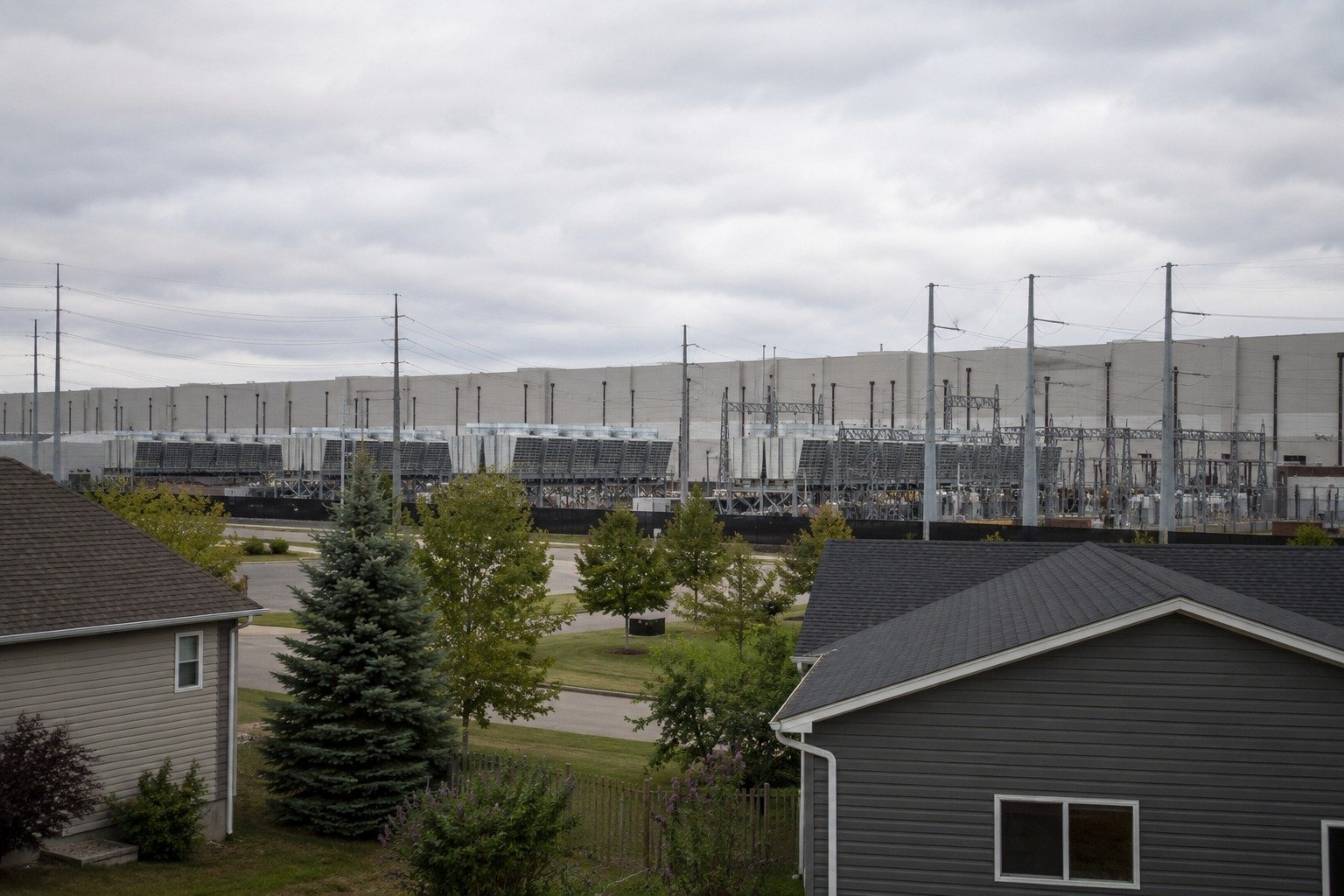
In just three months, ordinary Americans managed to stop nearly $130 billion in development cold. A new study from Data Center Watch, released this week, found that local opposition blocked or delayed at least 75 data center projects across the country during the first quarter of 2026 – and the combined value of those stalled projects approaches $130 billion.
It is a staggering figure, and it signals a shift in who holds power over the biggest construction boom in the tech industry’s history. For years, the people building these massive server farms operated on the assumption that nothing could slow them down. That assumption no longer holds.
Why Data Centers Have Become a Flashpoint
Data centers are the physical backbone of the artificial intelligence boom. Every chatbot query, every AI-generated image, every cloud service runs through enormous warehouses packed with servers that need staggering amounts of electricity and water to operate and stay cool. As demand for AI has exploded, so has the race to build the facilities that power it.
But those facilities have to be built somewhere – and increasingly, the somewhere is next to where people live. Residents have grown alarmed at what these projects mean for their communities: strained local water supplies, rising electricity costs as the grid struggles to keep up, constant industrial noise, and falling property values for the homes that suddenly sit in the shadow of a windowless megastructure.
The Numbers Behind the Pushback
The Data Center Watch report puts hard numbers on a trend that had been building quietly. During the first quarter of 2026 – January through March alone – opponents succeeded in blocking or delaying at least 75 separate data center projects. Together, those projects represented close to $130 billion in planned investment.
Just as striking is how fast the opposition is growing. The number of organized groups fighting data center projects roughly doubled in a single quarter, climbing from 396 to 833. And this is not a coastal or big-city phenomenon. These groups are now active in 49 states – nearly the entire country. The map of resistance has gone almost fully national.
What makes the movement effective is its local, grassroots character. The fights play out at zoning board meetings, county commission hearings, and packed town halls, where residents show up to demand answers from developers and elected officials. Those local venues, often overlooked, turn out to be where billion-dollar projects can be stopped or stalled.
What Both Sides Are Arguing
Industry advocates argue that data centers bring jobs, tax revenue, and the infrastructure the country needs to stay competitive in AI. They warn that blocking projects could push investment – and the economic benefits that come with it – to other regions or other countries.
Residents counter that the jobs are often few and temporary once construction ends, while the burdens – higher utility bills, depleted water, and round-the-clock industrial activity – are permanent and fall on the people who live nearby. They are not necessarily against development. They are against bearing the costs of it without a say.
What This Means for Americans
The bigger story here is about who gets a seat at the table. For ordinary homeowners, this study is proof that organized, persistent local action can stand up to some of the wealthiest companies on earth. When neighbors compare notes and refuse to be steamrolled, even a $130 billion buildout has to slow down and answer questions it might otherwise have ignored.
The question now is whether the industry adapts to community concerns – by being more transparent about water and power use, and by sharing more of the benefits with the towns that host these facilities – or simply tries to power through the resistance. Either way, the people living near these sites have made one thing clear: they expect to be heard.
Stay informed on the stories that matter most. Follow Your Daily Updates on Facebook and bookmark yourdailyupdates.news for breaking news and analysis.