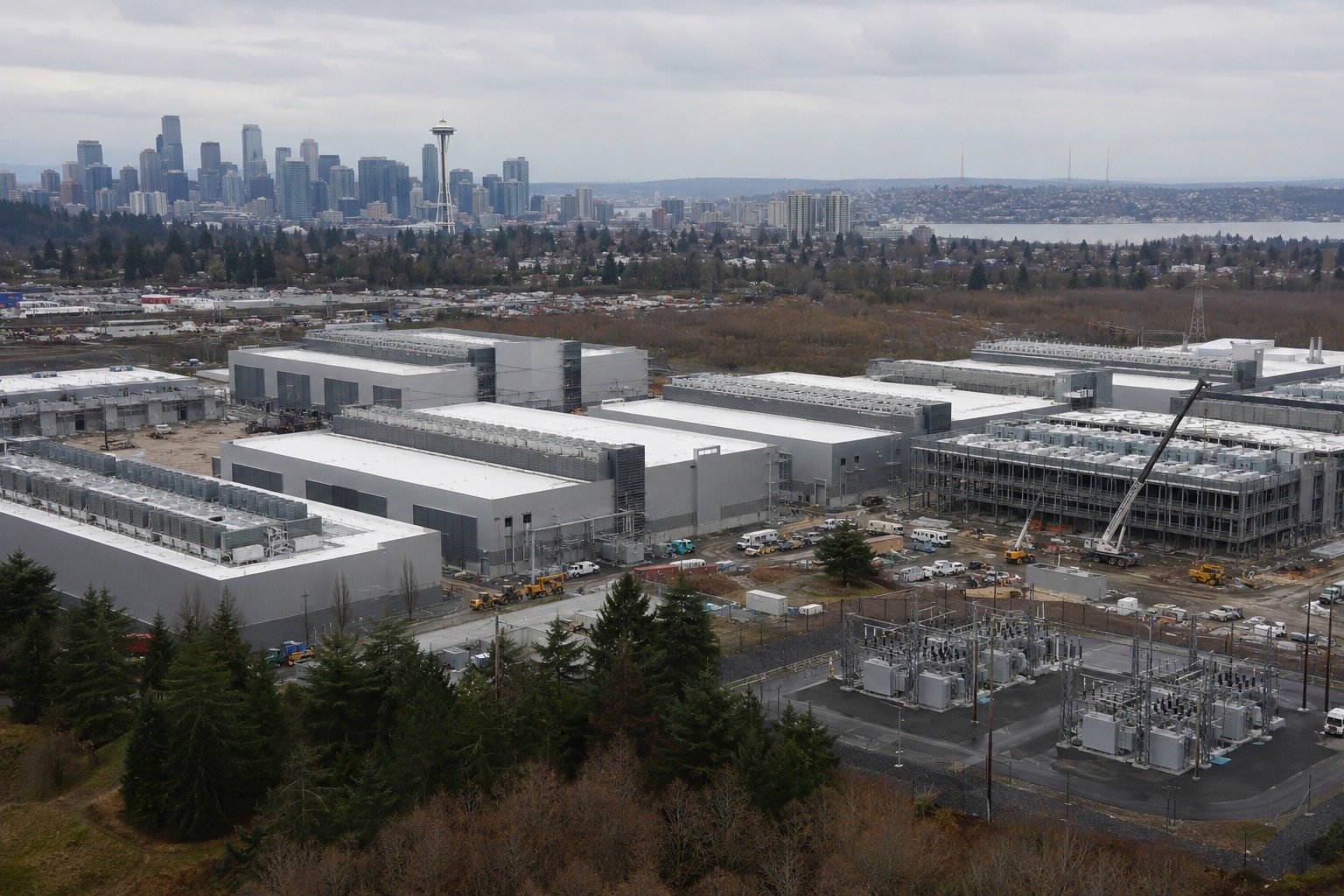
Seattle has put the brakes on Big Tech’s biggest building boom. On June 9, 2026, the Seattle City Council voted unanimously, 9-0, to approve a one-year emergency moratorium on new large-scale data centers inside city limits — a striking move from a city that has long been one of America’s leading technology hubs.
The pause applies specifically to new facilities that draw more than 20 MVA — roughly 20 megawatts, enough electricity to power thousands of homes. It is not a blanket ban on all data centers, and it does not stop projects that have already been approved. Smaller facilities are unaffected. The council also left itself room to extend the moratorium by an additional six months if it needs more time to finish its work.
Why a Tech City Hit Pause
The vote came alongside a companion bill that orders the city to study, in detail, what an unchecked wave of giant data centers would do to Seattle’s infrastructure and residents. The concerns are concrete, not abstract. Large data centers consume enormous amounts of electricity at a moment when Seattle City Light is already working to support the electrification of buildings and transportation across the city. Adding hyperscale computing demand to that grid raises hard questions about capacity and reliability.
Water is another flashpoint. The cooling systems that keep server farms from overheating can swallow staggering volumes of water — and Washington declared a statewide drought emergency earlier this year. City officials want to understand how much water these facilities would actually use before approving more of them.
Then there is the question of who pays. Critics worry that the cost of upgrading the grid to serve power-hungry data centers could land on ordinary ratepayers through higher utility bills. The study will examine the potential impact on residential rates, along with land use, local jobs, and public health.
A Community That Showed Up
The public response was overwhelming and lopsided. Councilmembers said they received more than 98,000 emails on the issue. At the hearing, 52 people stood up to speak in favor of the moratorium — and not a single person spoke in defense of the data centers.
One councilmember captured the mood with a line that has since echoed across coverage of the vote: “We’re not a company town.” The sentiment reflected a broader anxiety in many cities racing to host the physical backbone of the artificial intelligence boom: that the infrastructure arrives fast, the promises are big, and the long-term costs to residents are rarely spelled out in advance.
Particular attention has focused on South Seattle, where industrial-scale construction has historically been concentrated in neighborhoods that already carry a disproportionate share of pollution. For those communities, the prospect of more heavy industrial development without a full accounting of the impacts struck a nerve.
What It Means for Residents
For Seattle residents, the moratorium is essentially a demand for proof before permission. The city is telling the data center industry: show that a new facility won’t strain the grid, drain scarce water, or push up household utility bills before the concrete gets poured. The year-long window gives the council time to gather that evidence and write rules with eyes open rather than after the fact.
Supporters frame it as common-sense caution — a chance to look before leaping into a transformation that could reshape the city’s power and water systems for decades. Skeptics counter that a pause, even a temporary one, risks signaling that Seattle is closed for business and could push jobs and investment to other cities. The study’s findings, due over the coming year, will shape which side proves right.
Stay informed on the stories that matter most. Follow Your Daily Updates on Facebook and bookmark yourdailyupdates.news for breaking news and analysis.