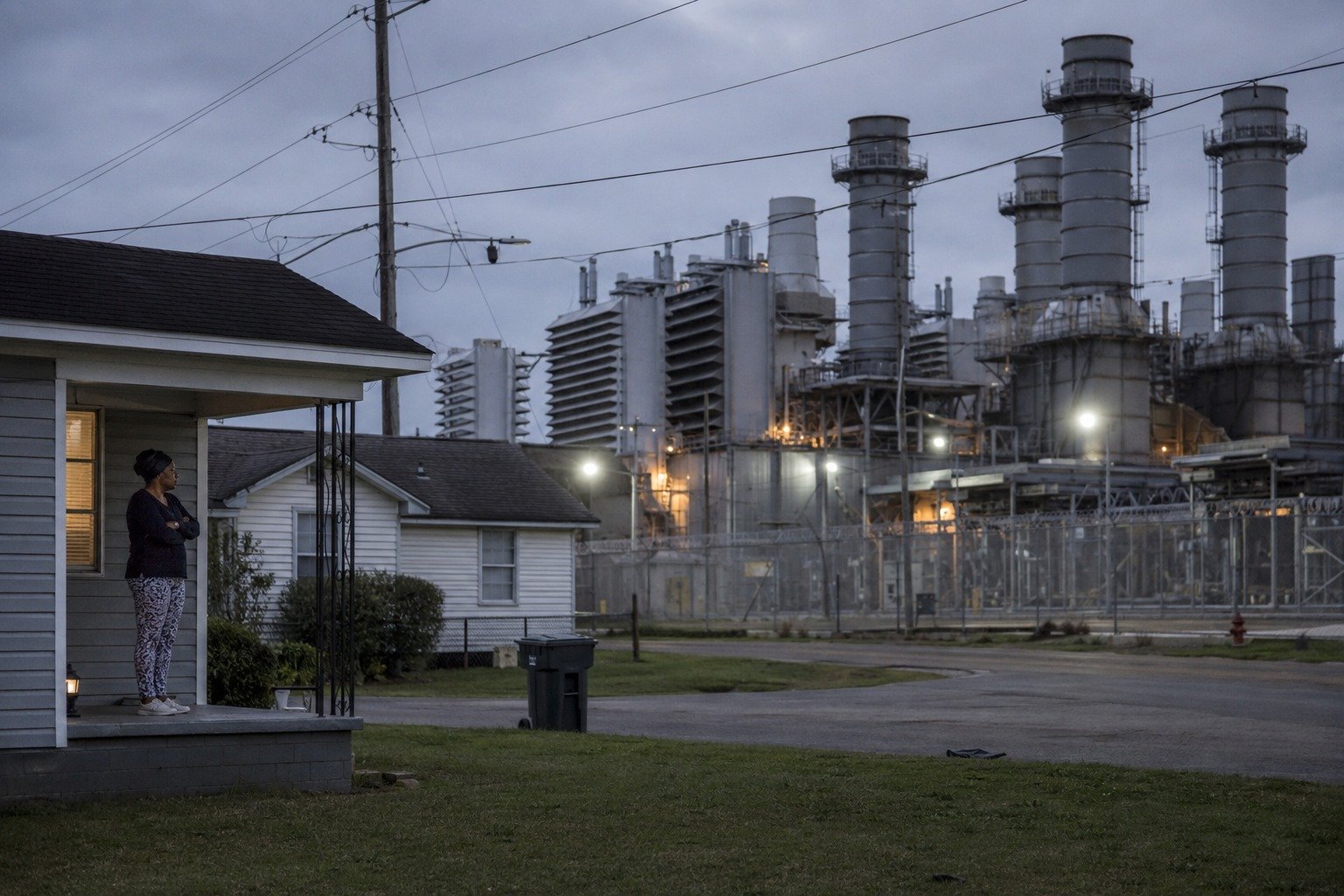
For thousands of families in Southaven, Mississippi, the sound never stops. A high-pitched squeal. A constant engine roar. A low-frequency rumble that travels through walls and into bedrooms at 3 a.m. On June 9, three of those residents decided they had heard enough, and took Elon Musk to federal court.
The trio filed a class-action lawsuit against Musk’s artificial intelligence company xAI and his rocket firm SpaceX in the U.S. District Court for the Northern District of Mississippi, in Oxford. They are suing on behalf of more than 10,000 neighbors who say the noise pouring off the gas turbines that power xAI’s data center has become, in the words of the complaint, “pervasive and inescapable.”
How a Data Center Became a Neighborhood Nightmare
The conflict traces back to xAI’s decision to power its computing operations with on-site natural gas turbines. Data centers that train large AI models consume staggering amounts of electricity, and rather than wait for the grid to catch up, the company installed its own fleet of gas-fired turbines in Southaven, just across the state line from Memphis, Tennessee.
According to the complaint, the facility is running dozens of these turbines — reports put the number at more than 46 active units, with permits on file to add even more. Each one is a small power plant in its own right, and together they generate a wall of mechanical noise that residents say never lets up, day or night.
What the Residents Say They Are Living With
The lawsuit describes the sound in clinical detail: a combination of high-pitched squealing, continuous engine roaring, low-frequency rumbling, and a tonal humming or whining that crosses property lines and seeps into homes. It is the kind of noise that does not just annoy — it disrupts sleep, frays nerves, and, the plaintiffs argue, erodes the basic ability to enjoy one’s own home.
The residents say the constant vibration and sound are harming their health and their quality of life, and dragging down the value of homes that families have spent years paying for. They are pursuing the case as a public nuisance claim — a legal theory built on the idea that no company, however large, has the right to make an entire community’s homes unlivable in pursuit of its own profit.
The plaintiffs are seeking damages for emotional distress and reduced property values, along with disgorgement of profits — a demand that xAI hand over money it earned while, the suit alleges, the surrounding neighborhood paid the price in lost sleep and lost home equity.
Not the First Warning Sign
This is not the only legal cloud over the Southaven operation. The noise lawsuit follows a separate case brought by the NAACP, which has accused xAI of environmental and permitting violations connected to the same turbines, including claims tied to the Clean Air Act. Together, the two actions point to a broader question hanging over the rapid, largely unregulated build-out of AI infrastructure: who is watching out for the people who live next door?
For now, the turbines keep running. But the residents who filed suit are betting that a federal courtroom will force a reckoning that the permitting process did not.
What This Means for Americans
The fight in Southaven is a preview of battles coming to communities across the country. As tech giants race to build the energy-hungry data centers that power artificial intelligence, the costs — noise, pollution, strained power grids, falling property values — increasingly land on ordinary families who never signed up to host an industrial site in their backyard. The Southaven case asks a simple question with national stakes: does a community get a say before a billionaire’s servers reshape their neighborhood, or only after the damage is done?
Stay informed on the stories that matter most. Follow Your Daily Updates on Facebook and bookmark yourdailyupdates.news for breaking news and analysis.