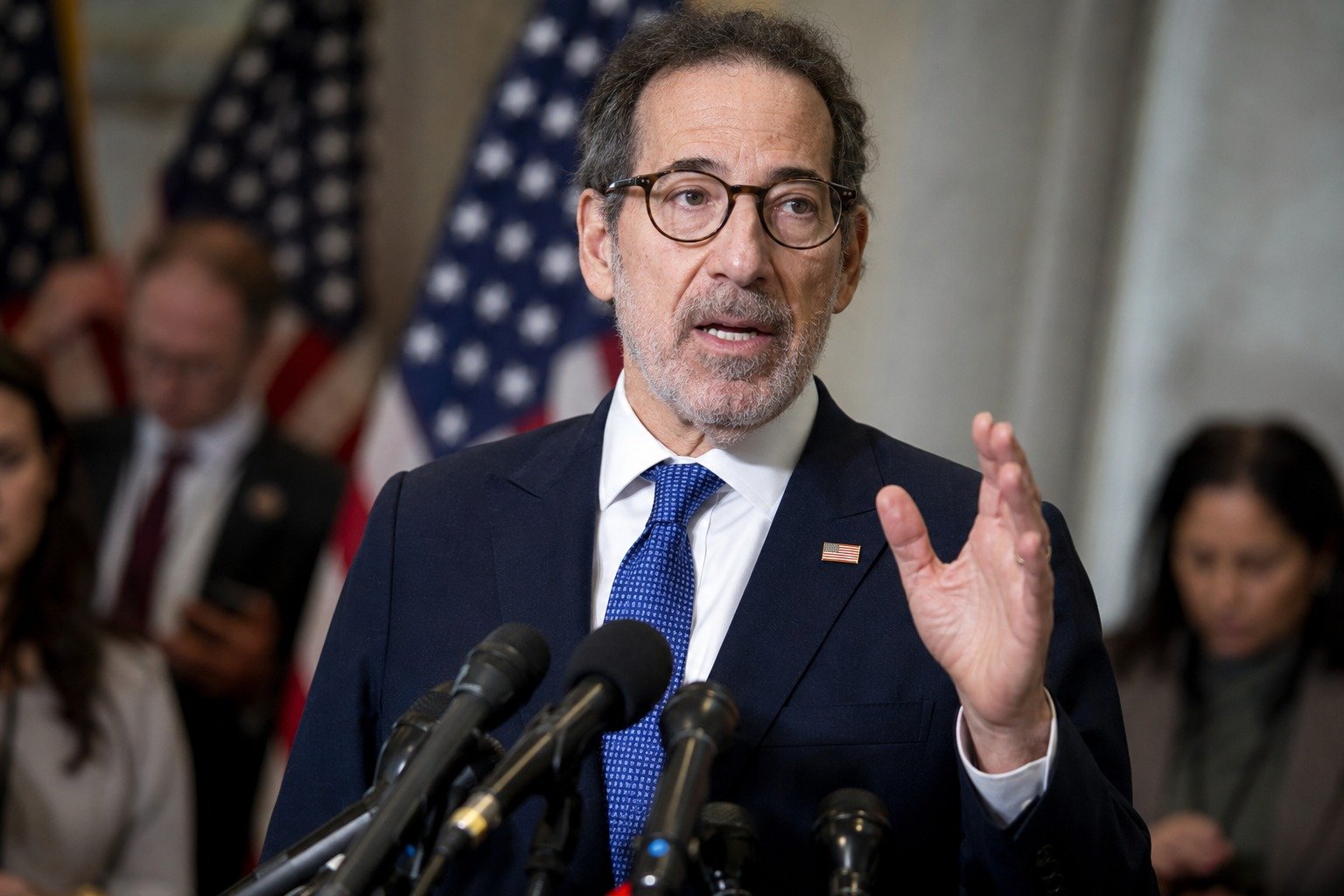
Rep. Jamie Raskin (D-MD), the ranking member of the House Judiciary Committee, has introduced a package of bills built around a principle most Americans probably assumed was already settled law: that a president should not be able to take money from the very people he chooses to pardon.
The proposal, unveiled as part of a broader anti-corruption effort in June 2026, would bar a sitting president from accepting payments from anyone he grants clemency or appoints to a Senate-confirmed position. Just as importantly, it would prohibit those individuals from making such payments in the first place. The goal, Raskin and his co-sponsors say, is to shut down a particular kind of “pay-to-play” arrangement, one in which a pardon or a powerful federal job could, in effect, be purchased.
Forcing the payments into the open
The legislation would also require the president to disclose to Congress any payment received from a person who was granted a pardon or clemency, or who was appointed to a Senate-confirmed post. Rather than leaving such transactions in the shadows, the measure would put them on the public record, where lawmakers and voters could see them.
It is a disclosure-first approach that mirrors how the government already treats many other potential conflicts of interest. Federal officials routinely file financial disclosures; the argument here is that the single most consequential decision a president can make — wiping away criminal liability for a specific person — should come with the same kind of transparency, not less.
Part of a larger accountability push
The pardon-payment bills are one piece of a wider legislative package Raskin has assembled to confront what he has described as a “rampage of presidential profiteering and plunder.” That package includes the BLANCHE Act, aimed at blocking a Justice Department plan critics have called a “super pardon” for the president, his family, and their businesses, along with related measures targeting emoluments and self-dealing.
Taken together, the bills sketch out a vision of executive accountability that supporters argue has eroded badly in recent years: a president who cannot quietly profit from the powers of the office, and who must account to Congress when money and clemency intersect.
A proposal, not yet a law
It is worth being precise about what this is. These are introduced bills, not enacted law. With Republicans in control of Congress, the package faces long odds of advancing this term, and the White House would be unlikely to sign it even if it did. Coverage of the rollout has noted as much, framing the legislation less as an imminent change and more as a statement of priorities.
That does not make it meaningless. Legislation like this functions as a marker — a clear signal of what Democrats say they would pursue if they regained control of a chamber in the November midterm elections. It defines the terms of a debate about how far a president’s power to pardon should extend, and whether that power should ever be allowed to mix with personal financial gain.
The question underneath it all
Strip away the legislative machinery and the partisan math, and the proposal raises a question that is genuinely hard to argue against: should a president ever be permitted to accept money from the people he lets off the hook?
For now, that question stays open. The bills will sit in committee, the politics will play out, and the underlying issue — whether clemency can be cleanly separated from cash — will likely outlast this particular fight. But Raskin’s package has at least put the question on the table, in writing, where it can be debated in the open rather than litigated after the fact.