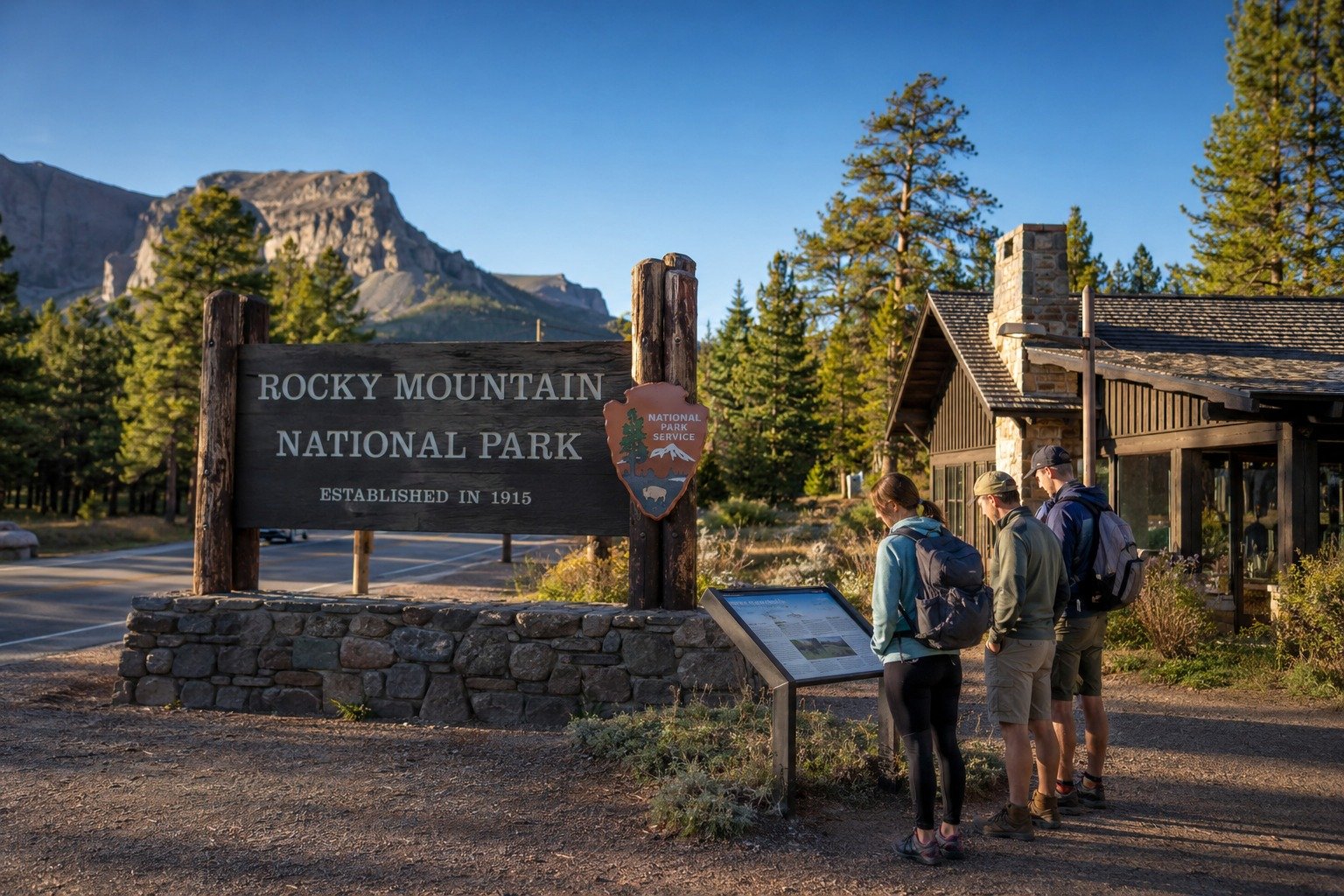
The administration’s plan to crowdsource the cleanup of America’s national parks has collapsed in spectacular fashion. A government “tip line” that invited visitors to flag exhibits as “negative” or pushing “improper ideology” drew roughly 35,000 public comments. Only about 47 of them actually flagged content for removal. The rest? They overwhelmingly used the form to condemn the initiative itself.
How the Tip Line Was Supposed to Work
The premise was straightforward, and to critics, chilling. Visitors to national parks and historic sites were encouraged to report signs, displays, and interpretive exhibits they considered “negative” about America or reflective of “improper ideology.” The submissions were meant to feed a review process that could strip content from the park system — a mechanism designed to sand down the rough edges of the country’s history as told at its monuments, battlefields, and landmarks.
National parks are not just scenery. They are where the United States tells its own story — including the difficult chapters. Interpretive signage at historic sites routinely covers slavery, the displacement of Native Americans, labor struggles, and other uncomfortable truths. The tip line effectively asked the public to help decide which of those truths were too inconvenient to keep on display.
The Numbers Tell a Different Story
When the comments came in, they did not say what the administration hoped. Of the roughly 35,000 submissions, only about 47 actually identified content for removal. That is not a rounding error — it is a rejection. The overwhelming majority of respondents turned the reporting tool into a referendum on the policy, using the form to push back against the idea that the nation’s parks should be politically sanitized.
Comment after comment defended keeping the history intact. People objected to the framing that honest accounts of America’s past amounted to “improper ideology.” In practical terms, a system built to invite censorship instead produced a flood of public testimony against censorship — the clearest possible signal of where ordinary park visitors stand.
The Damage Was Not Zero
Even with the public response running heavily against the effort, real changes were made. The advocacy group Save Our Signs has documented at least 59 signs that were removed or modified across the park system. So while the tip line failed as a participation drive, the broader campaign to alter exhibits continued behind the scenes — meaning dozens of signs came down or were quietly rewritten regardless of what the public said.
That gap is the heart of the story. On one side, a public that overwhelmingly rejected the premise. On the other, an administrative process that kept altering exhibits anyway. The disconnect raises an uncomfortable question about how much public opinion actually constrains the effort.
Reactions and What Comes Next
Supporters of the review frame it as removing politically slanted material from taxpayer-funded sites. Critics counter that deciding which historical facts count as “negative” is itself an ideological act — one that risks erasing the parts of American history that make people uncomfortable precisely because they happened. The lopsided comment tally has given opponents a powerful talking point: when given the chance to weigh in, the public said no, decisively.
The open question now is whether that backlash slows the effort or whether signs keep disappearing on a separate track, insulated from public input. Watchdog groups like Save Our Signs say they will keep cataloging every removal and modification, building a record of exactly what changed and when.
What This Means for Americans
National parks belong to everyone, and so does the history they teach. When a government tool invites the public to help strip away inconvenient facts and the public refuses en masse, that is a statement about the kind of history Americans want preserved — honest, complete, and not subject to political editing. The fight over a few dozen signs is really a fight over who gets to decide what the country remembers.
Stay informed on the stories that matter most. Follow Your Daily Updates on Facebook and bookmark yourdailyupdates.news for breaking news and analysis.