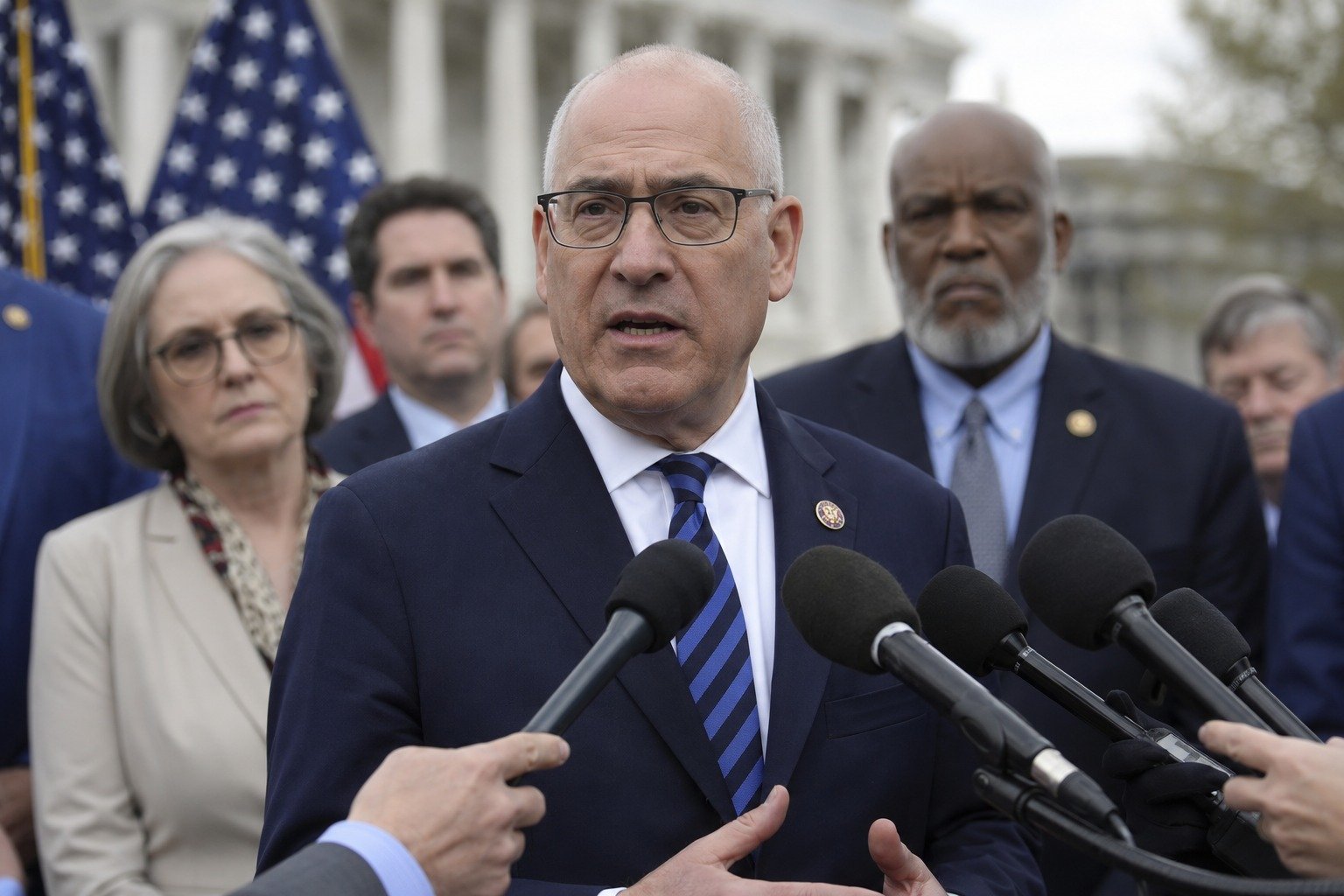
Rep. Jamie Raskin is going after one of the oldest and least-examined powers in the Constitution: the ability to grant a pardon. In May 2026, the Maryland Democrat unveiled a package of bills designed to make sure that power can never quietly be turned into a profit center inside the White House.
Raskin, the ranking member on the House Judiciary Committee, introduced the legislation alongside Reps. Robert Garcia of California and Joe Morelle of New York. At its core, the package would require any president to disclose to Congress every payment they receive from a person they have granted clemency or a pardon – and it would flatly prohibit a president from accepting those payments at all, including through businesses the president owns.
Closing a “Pay-to-Play” Loophole
The lawmakers frame the proposal as a guardrail against what they call “pay-to-play” pardons – the idea that clemency could become something for sale rather than an act of mercy or justice. “No one should be able to buy a pardon,” Raskin and his colleagues argued, describing the bills as a way to make clear that no president can run a cash register out of the Oval Office.
Under current law, there is no mechanism forcing that kind of financial relationship into public view. If a person receives a pardon and money later flows back toward the president or a company the president controls, the public has no guaranteed way to know. The Raskin package is built to change that – converting a potential back-channel arrangement into a documented paper trail that Congress can actually review.
The BLANCHE Act and the “Super Pardon”
Alongside the disclosure measure, Raskin rolled out a companion bill, the BLANCHE Act. It targets a Justice Department plan that critics have nicknamed the “super pardon” – an effort they warn could be used to shield President Donald Trump, his family, and their businesses from accountability. Supporters of the package say the two efforts work together: one shines a light on the money around pardons, the other aims to head off a sweeping use of clemency power before it can take hold.
A Proposal, Not a Law
It is important to be precise about where this stands. This is introduced legislation – a proposal, not enacted law. Raskin and his co-sponsors are in the minority, and the package faces long odds in a Republican-controlled Congress, with President Trump holding the veto pen. Realistically, none of these bills is positioned to become law anytime soon.
What the package does accomplish is plant a flag. Democrats are using it to lay out, in concrete legislative language, exactly what they believe accountability around the pardon power should look like – a marker of priorities and a preview of what they might pursue if they win back a majority in the November midterms.
Why It Matters
For ordinary Americans, the question underneath the bills is simple and direct: should the public have the right to know if a pardon came with a payment attached? Supporters call the measures a basic anti-corruption safeguard at the highest level of government. Opponents will likely cast them as a political shot at a sitting president. Either way, the proposal forces a debate about transparency, mercy, and money that most people never realized was even possible.
Stay informed on the stories that matter most. Follow Your Daily Updates on Facebook and bookmark yourdailyupdates.news for breaking news and analysis.