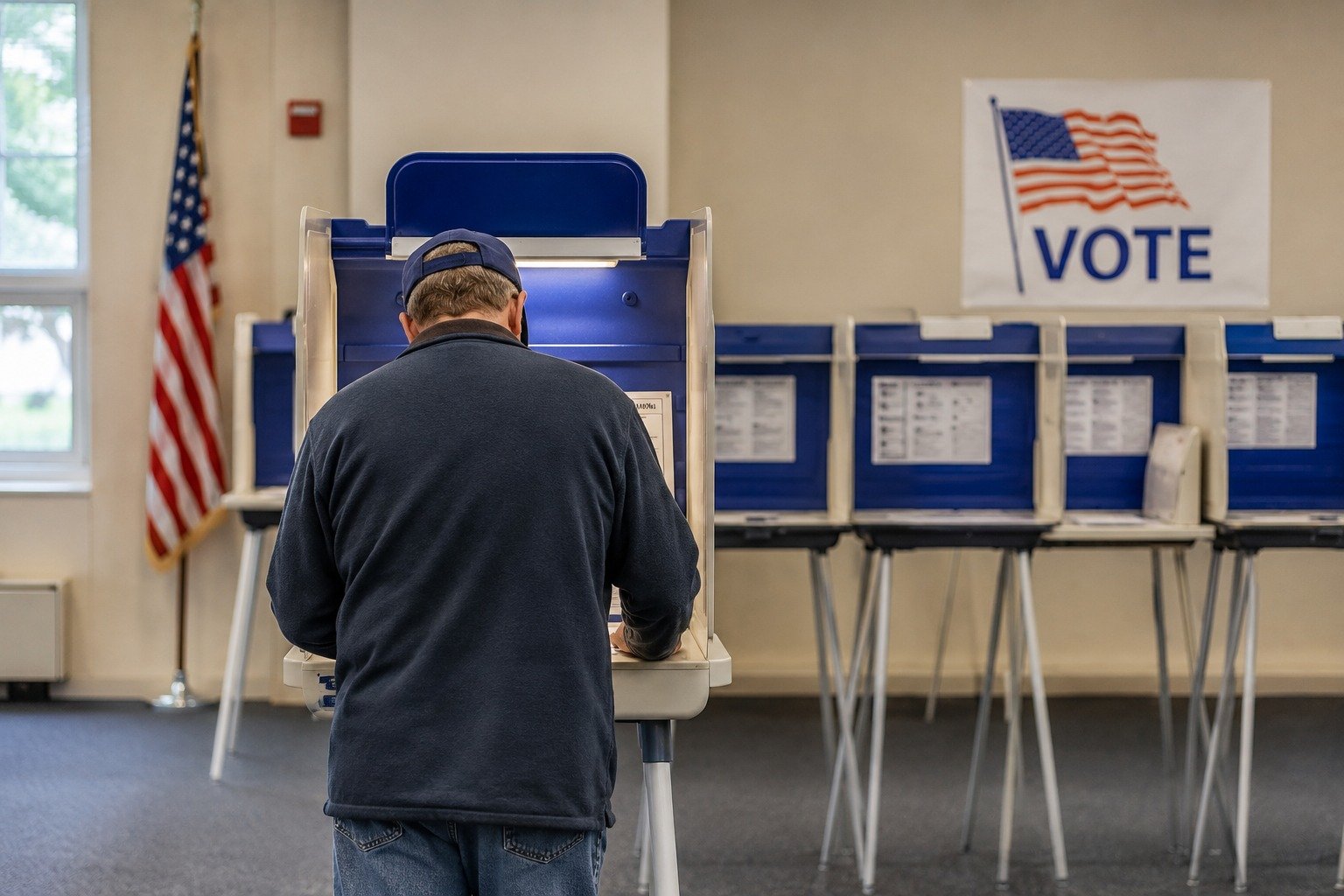
A new Reuters/Ipsos poll released June 9 has put hard numbers on a behavior most voters already recognize in themselves: when forced to choose, party loyalty tends to win out over personal doubts about a candidate. The survey found that roughly two-thirds of voters who identify with a political party say they will, at least sometimes, vote for a candidate they personally dislike if doing so helps keep the opposing party out of power.
What the Poll Found
The headline takeaway is straightforward. Among partisans, the willingness to back a flawed or controversial candidate is now closer to the rule than the exception. About two in three party-aligned respondents acknowledged that they would support someone they have real reservations about, so long as the alternative is handing a victory to the other side.
That is a striking finding because it reframes how we think about scandal and controversy in American politics. The old assumption was that a damaging revelation, an ethics question, or a bruising news cycle could sink a campaign by peeling away a candidate’s own supporters. This poll suggests that assumption no longer holds the way it once did. For most partisan voters, the calculation has shifted from “is this candidate good enough?” to “is this candidate better than the other team winning?”
Two Races That Show the Pattern
Pollsters pointed to current contests as living examples of the dynamic. In Maine, Democrat Graham Platner has remained competitive even after weathering controversy, with his party’s base showing little sign of abandoning him. In Texas, Republican Ken Paxton continues to be a factor in his race despite years of legal and ethical questions following him through his political career.
What the two cases have in common is instructive. In each, the candidate’s personal baggage has not been enough to drive away voters who see the opposing party as the larger threat. The poll suggests that for a meaningful share of the electorate, the letter next to a candidate’s name is doing more work than the candidate’s individual record.
Why Scandals Don’t Sink Campaigns Like They Used To
The findings help explain a pattern that has frustrated observers across the political spectrum. When voters treat every election as a firewall against the other party rather than a fresh evaluation of two individuals, the incentive structure changes. A candidate’s missteps become less consequential, because the choice is increasingly framed as a binary defense of one side against the other.
This is, in part, a story about polarization. As the gap between the parties has widened and as partisans have come to view the opposing side not just as wrong but as a genuine danger, the threshold for what a voter will tolerate in their own candidate has risen. “Lesser of two evils” has gone from a reluctant punchline to a stated strategy for a large bloc of the electorate.
What This Means for Accountability
The open question raised by the poll is what all of this means for accountability. If a troubled candidate can count on the base showing up regardless of controversy, where does the pressure to do better come from? Elections have long functioned as a check on bad behavior, but that check weakens if voters feel they have no realistic option but to stick with their side. For ordinary Americans, that can mean fewer consequences for officials who break trust, and a political system where loyalty is rewarded over performance.
Stay informed on the stories that matter most. Follow Your Daily Updates on Facebook and bookmark yourdailyupdates.news for breaking news and analysis.