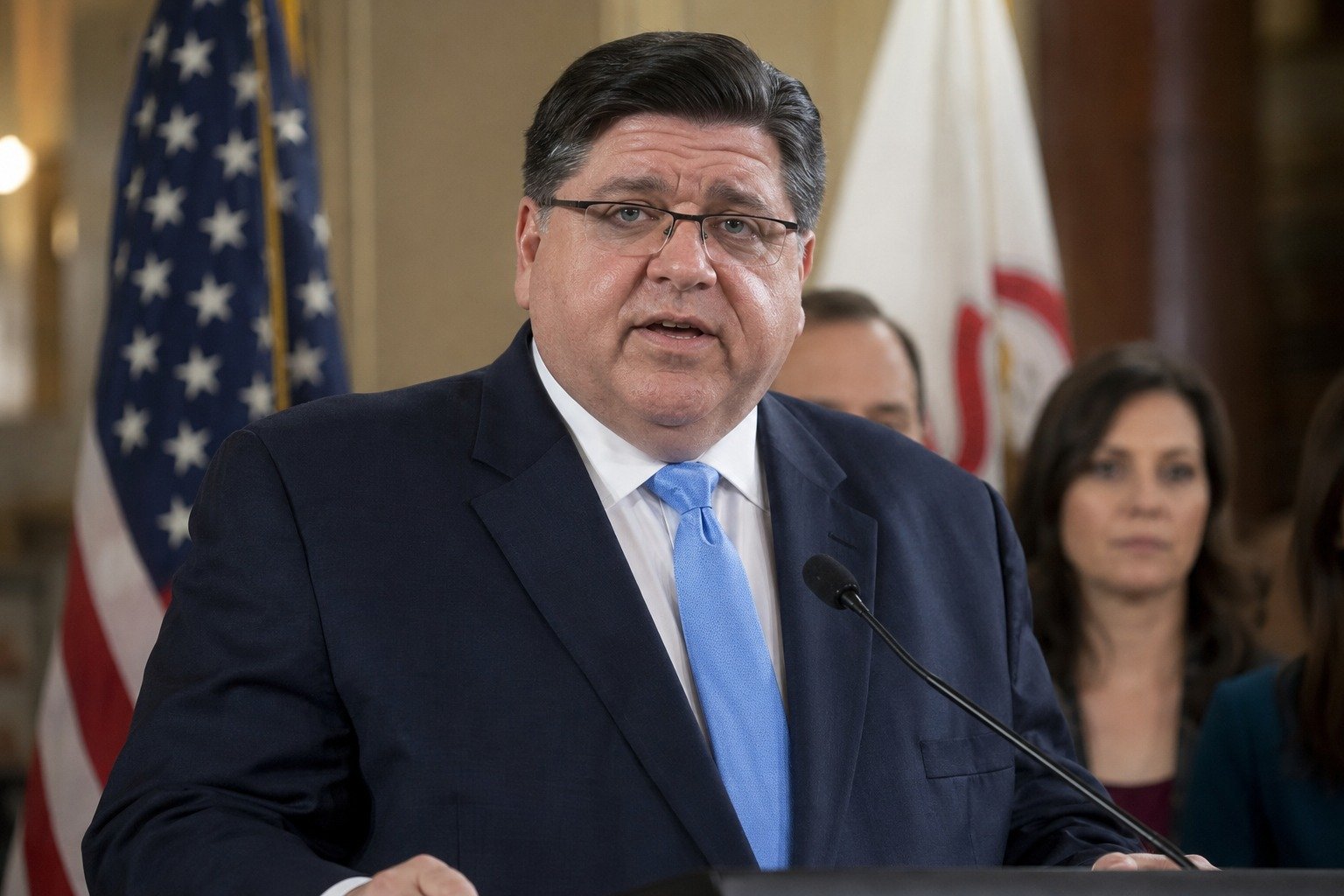
Illinois is hitting pause on one of the most generous deals in the country for the companies building the backbone of the artificial intelligence boom. Gov. JB Pritzker is directing the state to stop processing new tax-incentive agreements for data center developers starting July 1, 2026 — a freeze set to last two years — as the state grapples with the strain those massive facilities are placing on energy, water, and household utility bills.
What Pritzker Is Actually Doing
The governor is ordering the Illinois Department of Commerce and Economic Opportunity (DCEO) to pause new agreements under the state’s Data Center Investment Program. That program has exempted data center developers and operators from a stack of state and local taxes, and offered additional tax credits for some projects. Beginning July 1, the agency will stop processing new deals for two years while the state reconsiders the entire framework.
Crucially, this is a freeze on new incentives only. Any agreement signed with DCEO before July 1, 2026, will still be honored. Companies already in the program keep their deals — but the door closes on fresh applications for the next two years.
Why It Matters to Your Electric Bill
The numbers behind the decision are eye-popping. Pritzker’s office estimates that surging data center demand has already added roughly $13 billion in costs across the regional power grid — costs that ultimately get passed along to families through their monthly bills. Looking ahead, the administration projects data center growth could add another $37 billion in costs in Illinois over the next several years.
Data centers are enormous, power-hungry facilities. The warehouses full of servers that train and run AI models consume electricity and water at a scale that can rival small cities. As more of them cluster in a region, they compete for the same grid capacity everyone else relies on — and when supply tightens, prices climb. That is the dynamic Pritzker says he is trying to get ahead of.
A Push for Guardrails
The move follows inaction from the Illinois General Assembly, which did not advance a broader framework to manage the impact of data centers before the end of its session. Rather than let the incentives keep flowing unchecked, Pritzker chose to use his executive authority to hit pause.
The governor has laid out a comprehensive framework he wants lawmakers to take up: real guardrails on energy affordability and reliability, protections for water resources, and safeguards for the local communities that host these facilities. The goal, his office says, is to make sure that if the state resumes handing out incentives, it does so with conditions that protect ratepayers and residents rather than simply subsidizing the largest technology companies on earth.
The Debate Ahead
Supporters of the pause argue it is a common-sense check on a sector that has grown faster than the rules governing it. They point to the projected cost increases as evidence that taxpayers and ratepayers have been footing part of the bill for an industry already flush with capital. Critics of pausing incentives typically warn that such moves can push investment and jobs to neighboring states more willing to offer tax breaks.
What is not in dispute is the scale of the stakes. Data centers are central to the AI economy, and states across the country are competing to attract them. Illinois is now betting that slowing down — and demanding better terms — will serve its residents better than racing to give away the most.
What This Means for Americans
For ordinary households, the fight over data center incentives is really a fight over who pays for the AI boom. When utility costs rise to power someone else’s server farm, that cost shows up on your bill. Pritzker’s freeze is an attempt to put the brakes on that arrangement and force a public conversation about energy affordability, water use, and community impact before more giveaways are handed out. Whether other states follow Illinois — or use the pause to lure those projects away — will shape the cost of electricity for millions of people in the years ahead.
Stay informed on the stories that matter most. Follow Your Daily Updates on Facebook and bookmark yourdailyupdates.news for breaking news and analysis.