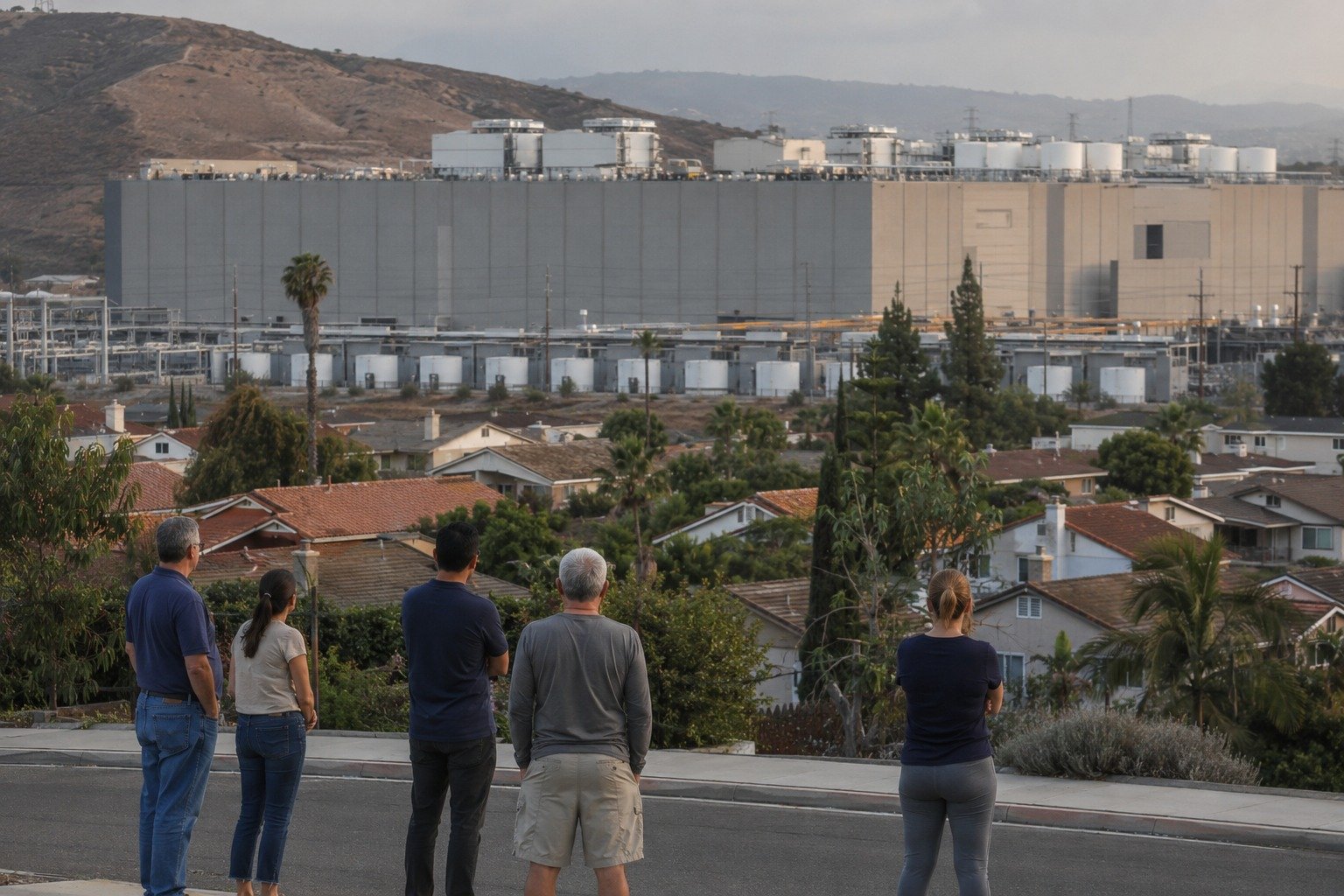
A small city just seven miles east of downtown Los Angeles has done something no community in America had ever accomplished at the ballot box. On June 2nd and 3rd, 2026, voters in Monterey Park, California approved Measure NDC, a permanent citywide ban on data centers. The result was not close. Roughly 86% of voters backed the ban, with about 14% opposed.
Local officials and advocates describe it as the first permanent data center ban in the United States enacted directly by voters through a ballot initiative. The measure rewrites the city’s land-use framework to prohibit data centers outright, and that prohibition can now only be reversed if voters themselves choose to repeal it in a future election.
How a Single Project Sparked a Citywide Vote
The fight in Monterey Park began with one specific proposal. A developer, backed by the Australian investment firm HMC StratCap, sought to build a data center of roughly 247,000 square feet within the community. To residents, the numbers attached to a facility that size raised immediate concerns: enormous electricity demand, heavy water use for cooling systems, diesel-powered backup generators, and the strain all of it could place on local air quality and utility rates.
Opposition built quickly. In January 2026, the city council responded by passing a moratorium, a temporary pause on data center development while the community weighed its options. But a moratorium is, by definition, temporary. Residents wanted something that could not be quietly reversed by a future council vote. So they took the question directly to the ballot.
What Measure NDC Actually Does
Measure NDC amends the city’s land-use rules to prohibit data centers as a permitted use anywhere in Monterey Park. Unlike a moratorium or a zoning restriction that a city council can adjust, the ban is woven into the framework that voters approved directly. That structure is what makes this measure stand apart from other local actions across the country.
It is worth being precise about the “first” claim. Other municipalities across the United States have passed moratoriums, zoning limits, and various restrictions on data center development as the industry has expanded. What sets Monterey Park apart is the combination of two things: the ban is permanent, and it was enacted by voters through a ballot initiative rather than by a council or planning board. It is that specific combination that supporters point to when they call it a national first.
A Fight Playing Out Across the Country
Supporters of the ban framed it around the basics of daily life: protecting air quality, safeguarding drinking water, defending public health, and shielding residents from rising electricity and water rates. Those concerns are not unique to one city. Data centers power the cloud services and the artificial intelligence boom that have reshaped the modern economy, but they are also among the most resource-hungry buildings being constructed today, consuming vast amounts of electricity and water.
As these facilities multiply, communities from coast to coast are grappling with the same questions Monterey Park just answered. Who bears the cost when a data center moves in next door? What happens to local utility rates? And who gets to decide? In Monterey Park, residents decided those questions were not up for negotiation, no matter how large or well-funded the developer behind the project.
What This Means for Americans
The lopsided vote count is the part that lands hardest. When roughly 86% of a community agrees on anything, it sends a message that is difficult to ignore. For families worried about their water bills, the air their children breathe, and the steady creep of industrial development into residential neighborhoods, Monterey Park has offered a concrete example of how ordinary residents can push back and win. It hands every other town in America a template: when local leaders move too slowly, voters can write the rules themselves.
Stay informed on the stories that matter most. Follow Your Daily Updates on Facebook and bookmark yourdailyupdates.news for breaking news and analysis.