A federal judge has struck down one of the Trump administration’s most aggressive immigration measures: a $100,000 fee imposed on new H-1B work visas. In a 42-page ruling issued Monday, U.S. District Judge Leo Sorokin of the District of Massachusetts found the fee unlawful, concluding that the president had effectively imposed a tax he had no authority to levy.
The decision is a significant setback for an administration that has made tightening legal immigration a centerpiece of its agenda — though it is far from the final word in what is shaping up to be a prolonged legal battle.
How a $5,000 Fee Became $100,000
The H-1B visa program allows U.S. employers to hire skilled foreign workers in specialty occupations — software engineers, physicians, researchers, university faculty, and other roles that require specialized expertise. For years, the cost of filing an H-1B petition ranged from roughly $2,000 to $5,000 per application, depending on the size of the employer and the specific fees involved.
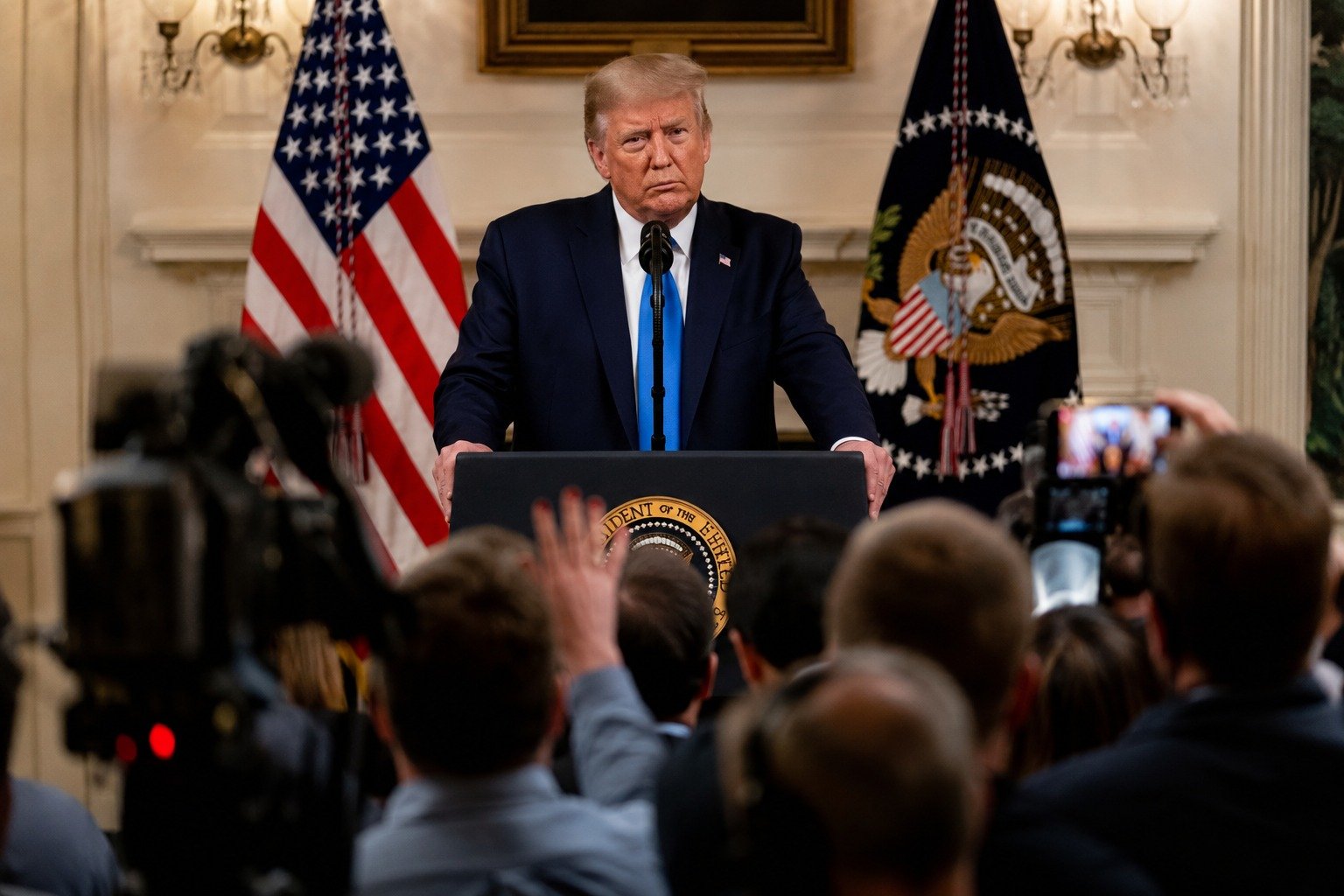
That changed dramatically in September 2025, when President Trump issued a proclamation imposing a $100,000 fee on new H-1B visas — an increase of roughly twentyfold over the previous high end. Supporters framed the move as a way to discourage employers from undercutting American workers. Critics called it a backdoor ban, arguing that the staggering price tag would effectively shut hospitals, universities, and technology firms out of a program they have relied on for decades.
The Court’s Reasoning
At the heart of Judge Sorokin’s ruling was a constitutional principle: the power to tax belongs to Congress, not the president. In his opinion, the judge wrote that the payment “is a tax, regardless of what the payment is called” — and that no president can create one by proclamation.
The lawsuit was brought by 20 Democratic state attorneys general, who argued that the administration had invented a tax without any statutory authority to do so. Sorokin agreed, siding with the states and vacating the fee. The ruling means the $100,000 charge cannot be enforced — at least for now.
Not the Final Word
Here is the crucial caveat: this is a federal district-court ruling, not a final or appellate resolution. The administration has already signaled that it intends to appeal, which means the fee’s fate will likely be decided by a higher court.
Complicating the picture further, the courts are split. A separate federal judge in Washington, D.C., upheld a similar order back in December 2025. When two courts reach opposite conclusions on overlapping questions, the issue is far more likely to climb the appellate ladder — potentially all the way to the Supreme Court. In other words, Monday’s decision blocks the fee in the immediate term, but the broader legal fight is just beginning.
What This Means for Americans
The stakes extend well beyond immigration law. Hospitals facing physician shortages, universities recruiting researchers, and technology companies competing for specialized talent all depend on the H-1B program. A six-figure fee per worker would have priced many of them out — and, in turn, affected the patients, students, and consumers who rely on the services those workers provide.
But the deeper question the case raises is about the limits of executive power. Can a president reshape immigration policy — and impose what amounts to a tax — without going through Congress? Judge Sorokin’s answer was no. Whether that answer holds on appeal will help define how far presidential authority can stretch in the years ahead.
Stay informed on the stories that matter most. Follow Your Daily Updates on Facebook and bookmark yourdailyupdates.news for breaking news and analysis.